View engine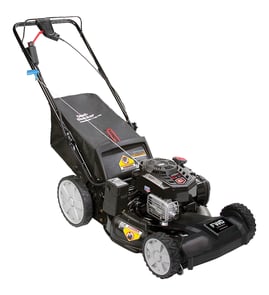





What is the average lifespan of a gas lawn mower?
A typical gas walk-behind mower like the MTD 12A-A15W793 lasts 8 to 10 years with normal residential use and basic maintenance. With consistent upkeep (clean air filtration, fresh fuel practices, and routine service), many owners see 10 to 15 years of service.
- 8 to 10 years: common for average residential use
- 10 to 15 years: achievable with regular maintenance and proper storage
- 500 to 1,000 hours: a practical “service life” range before major wear items often need attention
| Usage pattern | What to expect | What usually ends the run first |
|---|---|---|
| Light (small yard, weekly) | Longer end of the range | Fuel system issues from storage, neglected tune-ups |
| Moderate (average yard, mixed conditions) | Typical 8 to 10 years | Air filtration wear, blade/drive wear, carburetion problems |
| Heavy (large yard, dusty, slopes) | Shorter end of the range | Engine wear, deck corrosion, repeated impact damage |
Keeping these items in good shape does more for longevity than almost anything else:
- Change engine oil on schedule and keep the oil at the correct level
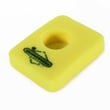
- Keep the air intake clean; replace the air filter when dirty (see filter 799579)
- Use fresh fuel and stabilize fuel before storage to reduce varnish and hard-start issues
- Sharpen and balance the blade; a dull blade strains the engine and leaves a poor cut
- Clean grass buildup from the deck after mowing (when the engine is off and cooled)
- Store dry and covered to reduce rust and cable/control corrosion
A mower’s “lifespan” is usually limited by preventable wear: dirty air filtration, stale fuel, and skipped oil changes. Spending a little time on routine service often delays expensive repairs and keeps your MTD 12A-A15W793 starting easily and cutting cleanly.
Last updated: January 2026
Should I use 87 or 93 for lawn mower?
For the MTD 12A-A15W793 gas walk-behind mower, we recommend using 87 octane (regular) unleaded gasoline. Using 93 octane does not improve power or reliability in typical mower engines; it usually just costs more, and old fuel causes far more problems than octane choice.
- Use fresh 87 octane unleaded from a busy station.
- Avoid stale gas (older than about 30 days without stabilizer).
- Avoid high-ethanol blends when possible; ethanol can attract moisture during storage.
- Do not mix in oil unless your mower is a 2-cycle engine (most walk-behind mowers are 4-cycle).
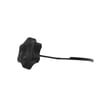
- If you suspect fuel contamination, start by inspecting the cap seal and venting on the lawn mower fuel tank cap 596250.
| Fuel choice | Typical result in a walk-behind mower | When it makes sense |
|---|---|---|
| 87 octane (regular) | Normal starting, normal power, correct combustion | Recommended for most mowers |
| 93 octane (premium) | Usually no performance gain | Only if the engine specifically calls for it |
- Drain old fuel and refill with fresh 87 octane.
- Check the air intake; a clogged filter can mimic “bad gas” symptoms (see filter 799579).
- Make sure the fuel cap vent is not blocked.
- If the mower was stored with fuel, clean the carburetor bowl and jets (common after storage).
Using the right fuel helps prevent hard starting, surging, and stalling. In small engines, fuel freshness and ethanol content typically affect performance more than choosing 87 vs 93.
Last updated: January 2026
Are gas lawn mowers being phased out?
Gas walk-behind mowers like the MTD 12A-A15W793 are not being phased out everywhere at once, but new-sale restrictions and local rules are pushing the market toward battery power. In many areas you can still buy, repair, and use gas mowers; the biggest changes are happening city-by-city and state-by-state.
Most policies target new sales or commercial use, not taking away equipment you already own.
- You can typically keep using an existing gas mower.
- Some places restrict new retail sales of certain small engines.
- Some cities limit when/where gas equipment can be used (noise or air-quality rules).
- Retailers may reduce gas inventory even where it is still legal.
- Parts support often continues for years because many gas mowers remain in service.
We cannot identify any model-specific “end date” for the MTD 12A-A15W793 based on model labeling alone; phase-outs are driven by local regulations and retail decisions, not by the mower’s model number.
- Use fresh fuel and the correct oil level before each mow.
- Keep the air intake clean; replace the air filter on schedule.
- Inspect the fuel cap seal and venting if you notice fuel smell or hard starting.
- Empty and clean the bagging system to maintain airflow.
- Store fuel safely and run the engine dry for off-season storage when appropriate.
If you plan to keep your mower, stocking common maintenance and wear items helps.
| Need | What to check | Example part for this model |
|---|---|---|
| Poor performance, hard starting | Dirty/clogged air filter | Filter 799579 |
| Fuel smell, leaks, or stalling | Cap seal/venting issues | Lawn mower fuel tank cap 596250 |
| Bagging not working well | Torn or clogged bag | Lawn mower grass bag 664P05321A |
Knowing whether your area is restricting new gas mower sales helps you plan: keep your current mower maintained, decide when to switch to battery, and avoid downtime by replacing common parts before peak mowing season.
Last updated: January 2026