Owner’s manual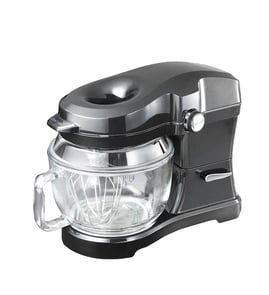





How many quarts is a KSM97MI0 KitchenAid mixer?
The KitchenAid stand mixer model KSM97MI0 uses a 4.5-quart mixing bowl. That capacity is a good fit for everyday baking tasks like cookie dough, cake batter, frosting, and whipping cream; it also helps you avoid overfilling the bowl during mixing.
What “4.5 quarts” means in real use
A 4.5-qt bowl is considered a standard household size for a tilt-head style stand mixer. For best results, keep ingredients below the bowl’s rim and follow recommended speed settings.
- Great for most cookie doughs, cake batters, and mashed potatoes
- Works well for whipping egg whites and heavy cream
- Handles yeast doughs best when you avoid maxing out flour capacity
- Helps reduce splatter when you start on low speed
Quick capacity guide
| Bowl size | Best for | Common limitation |
|---|---|---|
| 4.5 qt (KSM97MI0) | Everyday baking and mixing | Very large batches can overload the motor |
| 5.0 qt | Larger batches, frequent bread dough | Heavier, takes more counter space |
| 6.0+ qt | Big batches, stiff doughs | More power needed; not ideal for small batches |
Tips to prevent overloading and gear wear
Overloading can strain the drivetrain and gears, especially with stiff doughs.
- Start mixing on low speed, then increase gradually
- If the mixer slows, heats up, or struggles, reduce batch size
- Stop and scrape the bowl instead of forcing thick mixtures to blend
- If you hear grinding or the beater stops turning, inspect the gearcase components
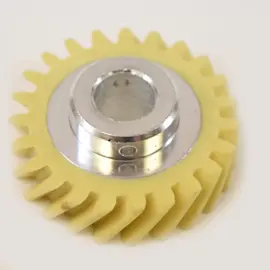
If you’re troubleshooting a grinding noise or loss of mixing action, the stand mixer worm gear WPW10112253 is one common drivetrain part involved.
Why it matters
Bowl capacity affects performance, mixing quality, and long-term reliability. Using the correct batch size for a 4.5-qt bowl helps protect the motor and gearcase while giving you more consistent results.
For model-specific use and safety guidance (including electrical requirements and accessory use), follow the KSM97MI0 owner's manual.
Last updated: January 2026
Is the KSM97MI0 discontinued?
Yes. KitchenAid model KSM97MI0 is an older stand mixer model, and it is typically no longer produced as a current retail model. You can still keep it running by matching parts to the exact model number and using the KSM97MI0 owner's manual for specifications, operation, and safety guidance.
How to confirm what you have (and order the right parts)
Use the model and serial plate on the mixer to confirm the exact model number before ordering parts or accessories.
- Verify the model number reads KSM97MI0 (not a close variant)
- Compare your mixer’s bowl-lift or tilt-head style to the manual’s parts diagram
- Match attachments by type (flat beater, wire whip, dough hook)
- Use the serial plate power rating when checking electrical requirements
- Order internal drive parts only by exact part ID and description
What “discontinued” means for repairs
A discontinued model can still be fully serviceable. The key is using model-matched parts and avoiding generic substitutes for internal gearcase and speed-control components.
| What you need | Best way to match it | Example for KSM97MI0 |
|---|---|---|
| Internal drive gear parts | Match by part ID | Stand mixer worm gear WPW10112253 |
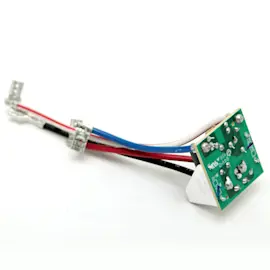
| Speed control components | Match by part ID | Plate-ctrl WPW10119326 |
| Attachments (whip, beater, hook) | Match by attachment type and fit | Wire whip, flat beater, dough hook (varies by kit) |
Why it matters
KitchenAid stand mixers are designed for long service life, but using the wrong gear, control board, or attachment can cause poor mixing performance, unusual noise, or premature wear. Following the manual’s operating guidance also helps prevent overload and damage.
Last updated: January 2026
What is the life expectancy of a KitchenAid stand mixer?
A KitchenAid stand mixer like model KSM97MI0 typically lasts 10 to 15 years with normal home use and basic maintenance. The manual confirms a one-year full warranty; after that, lifespan depends most on load, speed use, and keeping the gearcase properly maintained (see the KSM97MI0 owner's manual).
What affects how long a stand mixer lasts
- Mixing load: frequent heavy doughs put the most stress on gears and the motor.
- Speed habits: starting on low speed reduces shock to the drivetrain.
- Heat and smell: overheating shortens motor and control-board life.
- Gear wear: stripped gears often show up as grinding, clicking, or a beater that stops under load.
- Service history: fresh grease and correct reassembly help the gearcase run cooler and quieter.
Common “end-of-life” symptoms (and what they usually mean)
| Symptom | Most common cause | Typical fix path |
|---|---|---|
| Loud grinding or clicking | Worn gear train | Inspect gears; replace worn gear(s) such as the stand mixer worm gear WPW10112253 |
| Beater stops under load | Gear slipping or worn worm gear | Check gearcase; replace worn gear components |
| Speed surges or won’t hold speed | Speed control components out of adjustment or failing | Inspect control parts; verify wiring and connections |
| Oil/grease leaking at planetary | Gearcase grease migration or seal wear | Clean, re-grease, and inspect gearcase components |
Maintenance habits that extend life
- Use Speed 2 for kneading dough (common KitchenAid guidance) and avoid high-speed dough mixing.
- Stop and scrape the bowl instead of forcing thick mixtures to “power through.”
- If you hear new grinding, stop using the mixer and inspect the gearcase before more damage occurs.
- Keep the mixer clean and dry; avoid letting ingredients run into the motor housing.
Why it matters
A stand mixer usually fails from wear in the gearcase long before the motor itself is truly worn out. Catching gear noise early can prevent damage to larger assemblies and keep your KSM97MI0 running for many more years.
Last updated: January 2026