Owner’s manual
 View engine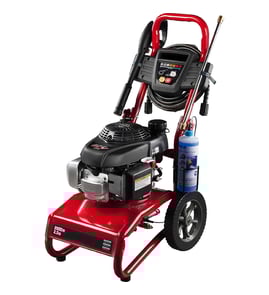



Can you put 87 gas in a pressure washer?
Yes. For the Craftsman pressure washer model 580752030, we use clean, fresh unleaded gasoline with a minimum of 87 octane (87 AKI). That means regular 87 gas is the correct fuel choice for normal operation; higher octane is fine but not required. See the fuel section in the owner's manual.
Fuel requirements for model 580752030
Use gasoline that meets these basics:
- Clean, fresh, unleaded gasoline
- 87 octane / 87 AKI minimum
- Up to 10% ethanol (E10) is acceptable
- Up to 15% MTBE is acceptable
- Do not overfill the tank; leave room for fuel expansion
Safe fueling steps (quick checklist)
Fuel and vapors are extremely flammable, so we follow these steps every time:
- Turn the pressure washer OFF and let it cool at least 2 minutes before removing the fuel cap
- Fill the fuel tank outdoors
- Loosen the cap slowly to relieve pressure in the tank
- Wipe up any spilled fuel before starting
- Store fuel in an approved container and use fresh fuel (stale fuel causes hard starting)
87 vs higher octane: what changes?
Higher octane does not increase cleaning power; pressure and flow come from the pump and nozzle selection.
| Fuel choice | OK to use? | What to expect |
|---|---|---|
| 87 octane (regular) | Yes (recommended minimum) | Normal starting and performance |
| 88 to 93 octane | Yes | No added cleaning benefit; can be used if fresh |
| Old/stale gas | No (avoid) | Hard starting, surging, loss of power |
Why it matters
Using the correct fuel helps prevent starting problems, engine surging, and power loss. Fresh 87 octane also supports reliable operation when you are troubleshooting symptoms like bogging down or inconsistent spray.
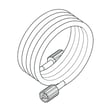
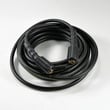
If you are also replacing worn spray components, we stock compatible items for this model such as the pressure washer hose 84006753. You can also search by model number on Sears PartsDirect.
Last updated: February 2026
What is the PSI of a gas-powered pressure washer?
For the Craftsman pressure washer model 580752030, the rated outlet pressure is 2,000 PSI. Gas-powered pressure washers as a category commonly range from about 2,000 to 5,000 PSI, but your exact working pressure depends on the spray tip, water supply, and pump condition (see the 580752030 owner's manual).
Model-specific PSI for Craftsman 580752030
Our documentation lists these key performance specs for model 580752030:
- Outlet pressure (rated): 2,000 PSI
- Flow rate: 1.9 GPM
- Minimum water supply at hose end: 20 PSI
- Required supply flow: greater than 2.9 GPM
- Max water temperature: 100°F
Quick spec snapshot
| Item | Craftsman 580752030 spec | What it means for cleaning |
|---|---|---|
| Rated pressure | 2,000 PSI | Strong for decks, siding, driveways (with correct tip distance) |
| Flow rate | 1.9 GPM | Rinsing speed; higher GPM rinses faster |
| Supply requirement | 20 PSI minimum at hose end | Low supply pressure can cause surging and weak spray |
Why your “PSI at the wand” can feel different
Even with a 2,000 PSI rating, real-world performance changes based on setup and wear.
- Nozzle selection: Narrower tips increase impact; wider tips reduce impact.
- Water supply issues: Kinked garden hose, clogged inlet screen, or low house pressure reduces output.
- Air in the pump: After sitting, you must purge air by turning water on and squeezing the trigger before starting.
- High-pressure hose restrictions/leaks: A damaged hose can reduce effective pressure.
- Pump valve/seal wear: Worn check valves or seals often cause pulsing and low pressure.
Parts that commonly affect pressure
If pressure is low, surging, or inconsistent, these model-related pump parts are common suspects:
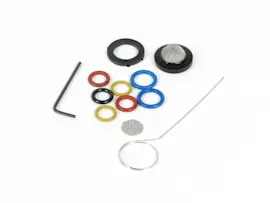
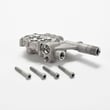
- Briggs & stratton pressure washer check valve kit 200298GS (valves sticking or leaking)
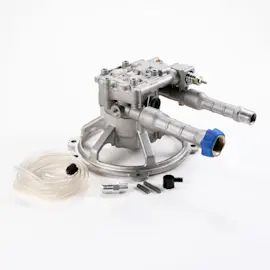
- Troybilt pressure washer pump seal kit 200280GS (seal wear causing pressure loss)
- Pressure washer hose 84006753 (leaks, internal restriction, damaged fittings)
For step-by-step repair help, use our guide: how to install a pressure washer check valve kit.
Why it matters
Matching PSI to the job prevents surface damage and improves cleaning speed. A 2,000 PSI gas pressure washer like the Craftsman 580752030 is powerful enough for many home tasks, but it still needs correct tip choice, steady water supply, and a healthy pump to perform at its rated pressure.
Last updated: February 2026
What is the life expectancy of a pressure washer?
A typical gas pressure washer like the Craftsman 580752030 lasts 5 to 7 years with normal homeowner use. Lifespan is driven more by maintenance and storage than age; following the service schedule in the 580752030 owner's manual helps the engine and pump deliver reliable pressure longer.
Typical lifespan ranges (what we see most often)
- Light homeowner use: 5 to 7 years
- Well-maintained, higher-use homeowner unit: 7 to 10 years
- Commercial or rental use: 1 to 3 years (wear happens much faster)
- Lifespan is often better thought of in operating hours; many homeowner units run hundreds of hours over their life.
Maintenance that extends life the most
The manual’s maintenance chart is the best guide for this model. Focus on these high-impact items:
- Check engine oil before each use
- Change engine oil after the first 5 hours, then about every 50 hours or yearly
- Service/replace the air cleaner on schedule (more often in dusty conditions)
- Replace the spark plug and air filter yearly for a strong fuel-air mix
- Prepare for storage if it will sit longer than 30 days (especially before freezing weather)
Quick reference: what shortens life fastest
| Issue | What it does | What to do instead |
|---|---|---|
| Running with low/dirty oil | Accelerates engine wear | Check oil every use; change on schedule |
| Freezing storage with water in pump | Cracks pump components | Winterize and store dry |
| Pulling/moving unit by the hose | Damages hose/fittings | Move using the handle |
| Using worn spray components | Causes pressure spikes/leaks | Replace worn hose or wand |
Why it matters
A pressure washer’s pump and engine depend on clean oil, clean airflow, and proper storage. Skipping routine service can reduce pressure, cause hard starting, and lead to expensive pump repairs that cost more than replacing key wear items.
Parts that commonly affect performance
If you are restoring performance on the 580752030, these are common wear items we see replaced:
- Pressure washer hose 84006753 (leaks, bulges, damaged fittings)
- Hi/low wand 205015CGS (poor spray pattern, valve issues, physical damage)
For additional replacement parts by model number, we also list parts on this model page and on Sears PartsDirect.
Last updated: February 2026