Owner’s manual
 Error Codes



What is the most common problem with the LG refrigerator?
For the LG LRMVS3006S, the most common service complaint is a cooling problem: the refrigerator and/or freezer runs warm because airflow is restricted (dirty condenser area, fan issue) or the sealed-system/compressor side is not operating correctly. Use the troubleshooting steps in the LRMVS3006S owner's manual to narrow it down.
Quick checks we recommend first (no parts swapping)
- Confirm the control panel is not in Display/Demo Mode (cooling disabled).
- Verify temperature settings are at the defaults: 37°F fresh food and 0°F freezer.
- Make sure doors close fully and gaskets seal; warm air leaks can mimic a cooling failure.
- Check for blocked air vents inside the compartments (packages pushed against vents).
- Clean the condenser cover and vents (dust buildup can cause poor cooling and long run times).
- Listen for fan noise; a failed fan can cause warm temps even if the compressor runs.
Common causes and the parts they point to
If the basic checks do not help, these are the most common “next suspects” on this LG French door platform.
| Symptom you notice | Likely area | Example compatible part for this model |
|---|---|---|
| Warm temps, unit runs a lot, back/bottom area dusty | Condenser airflow | Refrigerator condenser fan motor EAU65058502 |
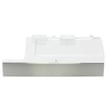
| Warm temps with weak airflow inside, uneven cooling | Freezer air duct/fan assembly | Refrigerator freezer air duct cover and fan assembly AEB76044903 |
| Persistent warm temps, clicking, or no sustained cooling | Sealed system/compressor | Compressor TCA36811409 |
Why it matters
Cooling issues can quickly lead to food spoilage and can also cause secondary problems like poor ice production, frost buildup, or unusual noises. Catching an airflow problem early (like a dirty condenser area or a failing fan motor) can prevent bigger repairs.
Helpful related DIY guidance
Last updated: January 2026
How many years does an LG refrigerator last?
Most LG refrigerators, including the LG LRMVS3006S, last 10 to 15 years with normal household use. Consistent maintenance (cleaning, correct temperatures, and timely filter changes) is what most often separates a 10-year fridge from a 15-year fridge.
What affects lifespan the most
A refrigerator’s life is mainly driven by how hard the sealed system and airflow components have to work.
- Condenser cleanliness: dusty coils make the compressor run longer and hotter
- Door seal condition: air leaks force longer run times and can cause frost and moisture issues
- Ventilation and room temperature: tight clearances and hot rooms increase workload
- Water and ice system upkeep: clogged filters and low water pressure can strain valves and icemakers
- Usage habits: frequent door openings and overpacking reduce airflow and efficiency
Maintenance schedule we recommend (simple and realistic)
Use the LRMVS3006S owner’s manual for model-specific cleaning and maintenance guidance.
- Every 3 to 6 months: vacuum the condenser cover/vents (do not remove panels)
- Every 6 months: replace the fresh air filter if your model uses one
- Every 6 months: replace the water filter and flush the system after replacement
- Monthly: wipe door gaskets and clean spills to prevent odors and mold
Common consumables for this model
| Item | Typical replacement interval | Example compatible part |
|---|---|---|
| Fresh air filter | About every 6 months | LG kenmore refrigerator air filter ADQ73214408 |
| Water filter | About every 6 months | LG lt1000p refrigerator water filter ADQ74793501 |
Why it matters
A refrigerator that runs hotter and longer than it should (from dirty coils, warm air leaks, or restricted airflow) usually fails sooner and costs more to operate. Basic upkeep helps protect major components like the compressor and fans.
Last updated: January 2026
Why does my LG freezer keep icing up at the bottom?
On the LG LRMVS3006S, ice building up on the freezer floor is most often caused by a clogged defrost drain; defrost water can’t flow to the drain pan, so it refreezes into a sheet of ice at the bottom. Use the steps in the LRMVS3006S owner’s manual to safely access and clear the drain area.
What to check first (quick diagnosis)
- Ice sheet only on the floor: points to a blocked drain.
- Frost on packages and walls too: points to warm air leaks (door not sealing, door left ajar).
- Water pooling then freezing: drain is partially blocked or the unit is slightly out of level.
- Recent power outage or door left open: can create excess meltwater that overwhelms a slow drain.
How we recommend fixing a clogged freezer drain
- Unplug the refrigerator and move food to a cooler.
- Manually defrost the freezer until the ice sheet loosens (towels help manage water).
- Locate the drain opening under/behind the rear freezer panel area (varies by configuration).
- Flush the drain with hot water (turkey baster works well) until it flows freely.
- Clear the drain tube with a flexible plastic line (never use anything sharp).
- Reassemble, restore power, and confirm water drains during the next defrost cycle.
Common causes and what they look like
| Symptom | Most likely cause | What to do |
|---|---|---|
| Ice slab on freezer floor | Drain clogged with ice/debris | Defrost and flush drain |
| Frost everywhere in freezer | Door not sealing or frequent openings | Check gasket, loading, door closure |
| Water freezes after cleaning drain | Refrigerator not level | Level cabinet so doors close firmly |
Why it matters
When the drain can’t move defrost water out, the freezer keeps refreezing that water. Over time, the ice can interfere with airflow, reduce cooling performance, and lead to recurring leaks.
Last updated: January 2026
Why is my LG refrigerator leaking from the bottom?
On LG model LRMVS3006S, a bottom leak is usually caused by a defrost drain that’s clogged or frozen (water overflows inside the cabinet) or a leak in the water supply line or inlet valve at the back. Use the LRMVS3006S owner's manual for safety and access guidance.
Quick checks (5 minutes)
- Identify the liquid: clear water vs. sticky food spill.
- Look for ice on the freezer floor or under crispers (often a drain issue).
- Check behind the unit for wet tubing or a dripping valve.
- Inspect door gaskets for gaps that create excess condensation.
- Dry everything, then watch where the first new water appears.
Most common causes and what to do
| What you notice | Likely cause | Next step |
|---|---|---|
| Puddle after defrost, ice under drawers | Defrost drain clogged/frozen | Thaw and clear the drain path; flush with warm water |
| Leak only when icemaker/dispenser runs | Water line or inlet valve seep | Inspect fittings and tubing; replace leaking valve |
| Drips in humid weather, doors not closing well | Poor door seal or alignment | Clean gasket, confirm doors close fully |
Fix steps we recommend
1) Clear a clogged defrost drain
- Unplug the refrigerator.
- Remove nearby drawers and wipe up standing water.
- Melt visible ice with warm towels (avoid sharp tools).
- Flush the drain opening with warm water until it flows freely.
2) Check the water supply components
If the leak is at the back or happens during ice making:
- Inspect the household shutoff valve and the tubing for seepage or cracks.
- Look for drips at the valve body and fittings.
- If the valve is leaking, reference the refrigerator water inlet valve MJX64471402.
Why it matters
Bottom leaks can damage flooring and can also lead to hidden ice buildup that restricts airflow, causing warmer temperatures and inconsistent ice production.
Last updated: January 2026