Owner’s manual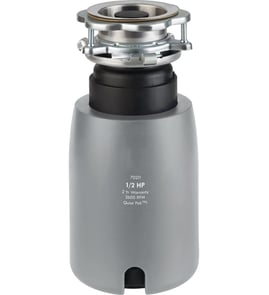

Do all garbage disposals use the same Allen wrench?
Most garbage disposals do not use the exact same Allen wrench, but many (including Kenmore model 17560514) use a 1/4-inch hex (Allen) “wrenchette” in the bottom socket to free jams and help with mounting ring removal; confirm the tool and access points in the 17560514 owner's manual.
A 1/4-inch hex wrench is the most common size used for the self-service jam-clearing socket on many disposals.
Common possibilities you will see:
- 1/4-inch hex (most common; often included as a “wrenchette”)
- A different hex size on some brands/models
- No hex socket at all (some units use a different jam-clearing method)
Use these quick checks before buying a tool:
- Look for a hex socket on the very bottom of the disposer housing.
- Check whether your unit came with a small L-shaped self-service “wrenchette.”
- Verify the jam-clearing steps and tool callouts in the 17560514 owner's manual.
- If the disposer is hardwired, turn off power at the breaker before inspecting.
The manual’s safety guidance is clear: keep hands out of the grind chamber and use the right tools.
| Task | What to use | What to avoid |
|---|---|---|
| Remove an object | Long-handled tongs or pliers | Fingers or hands |
| Loosen a typical jam | Self-service hex “wrenchette” | Forcing the unit to run |
| Reset after a stall | Wait 3 to 5 minutes, then press the red reset button | Pressing reset with the switch on |
Using the correct hex wrench prevents stripped sockets and reduces the chance of damaging the grinding components. It also helps you clear a jam safely without putting stress on the motor or tripping the overload.
For replacement parts and model lookups, start with the parts list for Kenmore 17560514, or search by model on Sears PartsDirect.
Last updated: February 2026
Why don't plumbers like garbage disposals?
Plumbers often dislike garbage disposals because they frequently lead to drain clogs and service calls when they are used like a trash can. Even if a Kenmore 17560514 disposal grinds food, that waste can still build up in the drain line and create stubborn blockages.
Most disposal-related plumbing issues come from what goes into the unit and how it is operated.
- Grease, fats, and oils: they cool and coat the pipe walls
- Starchy foods (rice, pasta, potato peels): they swell and turn pasty in the drain
- Fibrous scraps (corn husks, artichokes): they can wrap and contribute to drain blockage
- Hard items and foreign objects: they can jam the grind chamber
- Too little water while grinding: it fails to flush ground waste through the trap and branch drain
Your 17560514 owner's manual calls out several points that line up with common plumber complaints:
- A partially clogged drain line can make grinding seem slow; the fix is cleaning the drain line (often with a drain auger), not reducing water flow.
- Certain items should never go into a disposer (for example glass, plastic, metal, large bones, and chemical drain cleaners).
- Jams and overload trips happen when foreign material enters; power must be off before clearing a jam.
| Goal | Do | Don’t |
|---|---|---|
| Prevent clogs | Run a strong flow of water while grinding | Reduce water flow to “help it grind” |
| Avoid jams | Keep utensils, bottle caps, foil out | Reach into the disposer by hand |
| Reduce odors | Flush thoroughly after grinding | Shut it off before the grind cycle finishes |
A garbage disposal is a precision machine, but your plumbing is the limiting factor. When ground food collects in the trap, branch line, or main drain, it turns into a clog that takes time and specialized tools to clear. That is why plumbers see disposals as a repeat source of preventable drain problems.
If you are maintaining or repairing your Kenmore 17560514, start with the model-specific parts list and documentation, or search by model number on Sears PartsDirect.
Last updated: February 2026
Do I need a 1/2 hp or 3/4 hp garbage disposal?
For most kitchens, a 1/2 HP disposal is the right fit for everyday scraps, while a 3/4 HP disposal is the better choice when you grind more often, want faster grinding, and need extra torque for tougher food waste. Use your Kenmore 17560514 owner's manual to match your usage to safe operating practices.
Pick based on how much food waste you grind and how often you run the disposer.
- Choose 1/2 HP for lighter daily use (small households, fewer meals at home)
- Choose 3/4 HP for heavier use (more cooking, more frequent grinding)
- If you often grind fibrous scraps (celery, peels), higher HP helps reduce slowdowns
- If you want a quieter, smoother run, higher HP typically helps
- If your sink and drain line are prone to clogs, higher HP helps, but technique matters more than power
| Feature | 1/2 HP | 3/4 HP |
|---|---|---|
| Best for | Light to moderate use | Moderate to heavy use |
| Grinding speed | Moderate | Faster |
| Jam resistance | Good | Better |
| Noise/vibration | Moderate | Typically lower |
| Cost | Lower | Higher |
Even a powerful disposer can clog or jam if it is used incorrectly. The Kenmore disposer guide emphasizes using a strong flow of water while grinding and flushing after grinding to clear the drain line.
- Run cold water first, then turn on the disposer
- Keep water flowing at a strong, steady rate while grinding
- After grinding, keep water running briefly to help clear the horizontal drain line
- Grind in small batches instead of packing the chamber
- Avoid problem items (glass, metal, plastic, drain cleaner, large whole bones)
Choosing the right HP helps your disposer run with less strain. Just as important, correct water flow and safe feeding habits reduce jams, protect the grind chamber, and help prevent standing water and drain blockages.
To find the correct replacement parts for your Kenmore 17560514 and search other models when needed, start with the parts list for this model, or search by model number on Sears PartsDirect.
Last updated: February 2026
How long does a Kenmore garbage disposal last?
A Kenmore garbage disposal like model 17560514 lasts 10 to 12 years with normal use. Consistent cold-water flushing, avoiding jams from foreign objects, and keeping the drain line clear are the biggest factors that keep the motor and grinding components running longer.
Most in-sink garbage disposals fall into a predictable lifespan range; how you use water flow and what you grind makes the difference.
- Normal household use: 10 to 12 years
- Heavy daily use or frequent tough waste (bones, fruit pits): shorter lifespan
- Good habits (strong cold water flow, proper flushing): longer lifespan
- Recurring clogs or slow draining: accelerates wear because waste is not clearing the horizontal drain line
| Usage pattern | What you usually notice | Expected outcome |
|---|---|---|
| Light to normal use | Smooth grinding, normal draining | Full 10 to 12 years |
| Heavy use | More frequent jams, louder operation | Earlier replacement |
| Poor water flow or frequent clogs | Slow grinding, food waste floating | Shortened lifespan |
The manual for this Kenmore disposer emphasizes strong water flow and clearing the drain line so ground waste exits quickly.
- Run a strong flow of cold water while grinding.
- Turn water on first, then start the disposer to help prevent drain blockage.
- After grinding, let water run long enough to flush the horizontal drain line.
- If draining is slow, clean the drain line with a drain auger instead of reducing water flow.
- Keep metal objects out; remove foreign objects with tongs only.
For model-specific operating and maintenance details, follow the 17560514 owner's manual.
A disposal usually fails from wear in the grind chamber, motor overloads, or drain-line restrictions. Good flushing and avoiding jams reduce overload trips and keep food waste from lingering in the unit and plumbing.
Replace the disposer when you see repeated overload trips (reset button use), persistent loud grinding from internal damage, or chronic slow grinding even with proper water flow and a clear drain line. For replacement options and model-based part lookups, search by model number on Sears PartsDirect.
Last updated: February 2026
Is it cheaper to repair or replace a garbage disposal?
For your Kenmore 17560514 garbage disposal, repair costs less when the issue is a simple jam, a tripped reset, or a loose connection; replacement costs less when the unit is 10+ years old, leaks from the housing, or has a failing motor. Use the 17560514 owner's manual to follow the safe troubleshooting steps.
- Repair for a jam you can clear with the wrench method, or a reset that trips once.
- Repair for slow draining caused by the trap or horizontal drain line (not the disposer).
- Replace for a cracked or corroded housing leak.
- Replace when the motor hums but will not turn after the jam is cleared.
- Replace when the repair estimate is more than about half the cost of a comparable new disposal.
- Turn off power at the breaker before clearing jams.
- Press the reset button after restoring power.
- Clear jams using the self-service “wrenchette” method described in the manual.
- Remove objects with long-handled tongs or pliers (not hands).
- Run cold water before, during, and after grinding; the manual notes efficient grinding at about 1 1/2 gallons per minute.
| Problem type | Usually cheaper | Typical reason |
|---|---|---|
| Jam, reset trip, minor clog | Repair | Minimal time, no major components |
| Leak at sink flange or drain connection | Repair | Often a sealing or connection fix |
| Leak from disposer body, repeated failures | Replace | Internal corrosion or wear returns |
| Motor failure, burning smell, will not spin | Replace | Major repair approaches replacement cost |
A leaking disposer can damage the cabinet base and create an electrical hazard; a jammed disposer can back up the sink and strain the drain line. Following the manual’s power-off and jam-clearing steps reduces injury risk.
If you decide to repair, use the model number to match parts; if you are comparing replacement options, search by model on Sears PartsDirect.
Last updated: February 2026