 Owner’s manual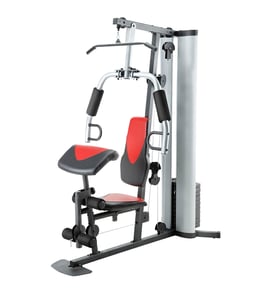

Is it cheaper to fix or replace a BowFlex?
For a Bowflex PR1000 home gym, it’s usually cheaper to fix it when the frame is solid and the issue is limited to wear items (cables, pulleys, bench hardware). Replace the unit when repairs approach about half the cost of a comparable new home gym or when multiple safety-critical parts are worn.
How we decide: repair vs. replace
Use this quick checklist before you spend money:
- Age and overall condition: Under about 10 years and well-maintained usually favors repair.
- Safety first: If cables, belts, or connection points are frayed, loose, or damaged, repair immediately before using again.
- Scope of the problem: One failed component (for example, a cable or pulley) is typically a repair; multiple worn systems at once often favors replacement.
- Cost rule of thumb: If the repair total is less than 50% of a comparable replacement, repairing is the better value.
- Downtime and effort: If you need the gym working quickly and parts are hard to source, replacement can be more practical.
What the PR1000 manual says to check (and why it matters)
The PR1000 owner guidance is clear: inspect for worn or loose components prior to use, tighten anything loose, and replace worn or damaged components immediately. Pay especially close attention to cables (or belts) and their connections. This matters because cable or attachment failure can cause sudden loss of resistance and injury.
High-priority inspection points
- Cable strands separating, kinks, or rust
- Pulley wobble, cracking, or grinding
- Loose fasteners at cable ends and connection points
- Bench and seat locking mechanisms not securing firmly
- Any movement in the frame joints that was not there before
Cost and outcome guide
| Situation | Best choice | Why |
|---|---|---|
| Single worn cable/pulley, frame is solid | Repair | Lowest cost, restores safe function |
| Multiple wear items plus loose/unstable structure | Replace | Compounding costs and safety risk |
| You cannot secure the seat/bench locking points | Repair now or replace | Locking failures are a safety issue |
Next best step
Use the PR1000 maintenance and inspection steps in the PR1000 owner's manual to identify exactly what’s worn, then price the needed components and compare that total to a replacement budget.
Last updated: February 2026
Is the BowFlex PR1000 discontinued?
Yes. The Bowflex PR1000 home gym has been discontinued as a current retail product, so you typically will not find it sold new through normal channels; you can still maintain and repair your PR1000 using the diagrams and procedures in the PR1000 owner's manual.
What “discontinued” means for PR1000 owners
Discontinued usually affects availability, not usability. Your PR1000 can remain safe and effective as long as the frame, cables, pulleys, and Power Rod® unit are kept in good condition.
What to expect:
- New, complete PR1000 units are generally limited or unavailable.
- Replacement parts availability can vary by component and stock.
- Maintenance becomes more important as the unit ages.
How to keep a discontinued PR1000 safe to use
The manual calls out routine inspection and tightening before use, with special attention to cables and connections.
Our recommended pre-workout check (3 to 5 minutes):
- Inspect cables for fraying, kinks, or broken strands.
- Check pulleys for wobble, cracking, or rough rotation.
- Confirm all fasteners are tight (especially on the cross bars and bench/seat hardware).
- Verify the Power Rod® caps and rod seating are secure before loading resistance.
- Clean the bench with a non-abrasive household cleaner (avoid products that make it slick).
Quick reference: common wear items vs. what you’ll notice
| Component | Common symptom | What to do |
|---|---|---|
| Cables | Fraying, rough feel, uneven travel | Stop using and replace the cable set before further workouts |
| Pulleys | Squeaking, binding, jerky motion | Inspect for damage; replace worn pulleys |
| Power Rod® unit | Rods crossing, uneven loading | Hook the closest rod first; confirm correct rod connection |
| Bench/seat locks | Slipping, won’t lock | Remove from service until the locking mechanism is corrected |
Why it matters
A discontinued home gym like the Bowflex PR1000 can still deliver its designed resistance (the manual describes a 210 lb resistance configuration), but worn cables, loose hardware, or an unsecured seat rail can create a real injury risk.
Last updated: February 2026
How often should I replace BowFlex rods?
Bowflex Power Rod resistance rods on the Bowflex PR1000 home gym are not a yearly replacement item. Replace rods only when you see damage, abnormal wear, or performance changes; regular inspection and proper storage keep the rod unit working safely and consistently.
When to replace the Power Rod rods
Replace a rod (or stop using the gym until it is replaced) if you notice any of the following:
- Cracks, splits, or deep gouges in the composite rod
- Torn, missing, or badly worn protective rubber coating
- A rod cap that is loose, damaged, or unreadable (weight marking missing)
- Rods that cross, bind, or move unpredictably when loaded
- Any damage after misuse, impact, or a tip-over event
Care steps that extend rod life
The PR1000 manual emphasizes staying clear of moving rods and regularly examining the equipment for damage. These habits help prevent premature rod wear:
- Connect rods to the cable hook in the correct order (closest rod first) to prevent rods from crossing
- After workouts, remove all Power Rod resistance from the cables
- Bind the rod unit with the rod binding strap for storage
- Keep hands and body out of the path of moving rods during exercises
- Check that knobs are fully engaged before each session
Quick checklist: replace now vs. keep using
| What you see | What we recommend |
|---|---|
| Cosmetic scuffs on coating, no cracks, normal feel | Keep using; recheck monthly |
| Coating torn or rod cap damaged | Replace the affected rod/cap before next workout |
| Cracks/splits, severe wear, or unpredictable rod movement | Remove from service until repaired |
Why it matters
Power Rod units are a composite resistance system; damage can change resistance feel and can create a safety risk because rods flex and move under load. Regular inspection and correct storage protect both your workout consistency and your safety.
For the PR1000-SPECIFIC storage and rod-connection steps, follow the owner's manual.
Last updated: February 2026
Can you add weight to a BowFlex PR1000?
No. On the Bowflex PR1000 home gym, we do not recommend adding extra weight beyond the built-in Power Rod resistance system; the owner's manual specifically warns not to use dumbbells or other weight equipment to incrementally increase resistance.
What you can do instead (safe ways to increase resistance)
Use the PR1000 the way it is designed: by combining Power Rods and adjusting your setup.
- Hook up additional Power Rods to the same cable to raise resistance
- Confirm the selector hook is fully engaged on the rod end before each set
- Slow your tempo (controlled reps) to increase time under tension
- Add reps or sets before increasing resistance again
- Check cable routing and pulley movement so resistance feels consistent
How resistance works on the PR1000
The PR1000 ships with 210 lb (95 kg) of Power Rod resistance, and each rod is marked with its rating on the rod cap.
| Method | What changes | When to use it |
|---|---|---|
| Add more Power Rods to the cable | Higher resistance | Strength-focused sets |
| Use fewer rods | Lower resistance | Warmups, rehab, higher-rep work |
| Adjust bench/seat position | Leverage and range of motion | Exercise-specific fit |
Why it matters
Adding external weights (like dumbbells) can change loading in ways the cable, pulleys, and rod box were not designed to handle. Using only the built-in resistance helps protect the cables and connections and keeps workouts predictable.
Quick safety checks before you train
- Inspect for loose parts or wear
- Pay close attention to cables and their connections
- Set up on a solid, level surface
- Keep about 36 inches of clearance on each side
- Follow the 300 lb (136 kg) maximum user weight limit
Last updated: February 2026
