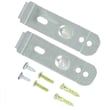
Installation guide
 Owner’s manual
 Error Codes
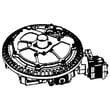


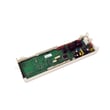
What is the most common problem with Samsung dishwashers?
For Samsung DW80R5060UG dishwashers, the most common issues we see are poor cleaning (food left on dishes), draining problems that trigger a drain-related code, and leak detection that triggers a leakage code. These problems are often tied to loading, filters/spray arms, or drain path restrictions; the DW80R5060UG user manual helps you match symptoms to checks.
Most common issues (and what usually causes them)
- Not cleaning well: clogged spray arm holes, dirty filter area, low water temperature, or blocked detergent dispenser
- Not draining: kinked/blocked drain hose, debris in the sump area, or a weak drain pump
- Leak detection: water in the base from a loose connection, door seal issue, or oversudsing
- Won’t start: door not fully latched, Control Lock enabled, or power supply issue
- Drying complaints: rinse aid empty or AutoRelease Dry setting turned off
Quick checks we recommend first (DW80R5060UG)
- Confirm hot water is hot enough: Samsung specifies best performance with incoming water around 120°F (49°C).
- Check loading and spray arm clearance: rotate spray arms by hand to confirm nothing blocks them.
- Clean the filter area and spray arm holes: food debris is a top cause of both poor cleaning and noise.
- Verify detergent and rinse aid: use automatic dishwasher detergent; keep rinse aid filled.
- Inspect the drain hose routing: look for kinks, crushing, or a low loop that can cause backflow.
Common codes you may see on this series
| What you notice | Typical code | What it points to |
|---|---|---|
| Water won’t drain | 5C | Drain check (hose/sump restriction) |
| Leak detected | LC | Leakage check (water in base or connection leak) |
| Not filling well | 4C | Water supply check (valve/line restriction) |
For code lookups and plain-English explanations, use our Samsung dishwasher error codes.
Why it matters
Catching these issues early helps prevent repeat wash cycles, standing water odors, and water damage risks. On the DW80R5060UG, simple maintenance (filters, spray arms, rinse aid) often restores normal cleaning and drying.
Last updated: January 2026
Can I replace dishwasher parts myself?
Yes, for the Samsung DW80R5060UG dishwasher, we can usually replace many “access” parts ourselves (filters, spray arms, racks, door latch area) if we follow the safety steps and the procedures in the DW80R5060UG user manual. For wiring, pumps, or control issues, we recommend a qualified technician.
What you can typically DIY on this model
These jobs are usually straightforward because they involve removing racks, covers, or fasteners and do not require electrical testing.
- Clean or reseat the filter and check for debris in the sump area
- Remove and clean spray nozzles (upper, middle, lower) if holes are clogged
- Adjust or remove the upper rack (for cleaning or access)
- Fix loading issues that block the detergent dispenser from opening
- Address basic “won’t start” causes (door not fully latched, Control Lock enabled)
Repairs we recommend leaving to a pro
If the repair involves live wiring, leak diagnosis inside the base, or component testing, it can turn into a safety or damage risk.
- Junction box wiring and power cord or hardwire connections
- Water inlet valve replacement if you are not comfortable shutting off water and checking for leaks
- Drain pump or circulation pump and motor work
- Electronic control board or user interface troubleshooting
Safety checklist before you start
Use this quick checklist every time.
- Turn off power at the breaker (not just the control panel)
- Shut off the water supply valve
- Protect floors and cabinets with towels; keep a shallow pan handy
- Take photos of wire routing and hose connections before removal
- Run a short test cycle after reassembly and check carefully for leaks
Quick “DIY or pro?” guide
| Task type | Typical DIY level | Why |
|---|---|---|
| Cleaning filters/nozzles, rack adjustments | DIY-friendly | Low risk, minimal disassembly |
| Door latch alignment, loading and dispenser-block issues | DIY-friendly | Mostly mechanical checks |
| Wiring, pumps, control boards | Pro recommended | Shock risk, testing required |
Why it matters
Dishwashers combine electricity, hot water, and moving parts. Doing the right DIY repairs can save time and restore cleaning performance, but stopping at the “safe access” level helps prevent leaks, electrical hazards, and repeat failures.
Last updated: January 2026
Can you buy parts for a dishwasher?
Yes. For a Samsung DW80R5060UG dishwasher, you can buy replacement parts for common wear items (filters, racks, spray arms) and for repairs (pumps, valves, latches, controls). Using the exact model number helps ensure the part fits and works correctly.
What you can typically replace
Many dishwasher repairs are part replacements, not full appliance replacement. Common categories include:
- Wash system parts (spray arms/nozzles, circulation components)
- Drain system parts (drain hose, drain pump, check valve)
- Door parts (latch, hinges, door seal)
- Dispensers (detergent/rinse aid dispenser)
- Racks and rack adjusters
- Electrical parts (user interface, control board, wiring)
How to make sure you get the right part
For DW80R5060UG, the most important step is matching by model number, then confirming the part’s position and description in the diagrams/list for your exact version.
- Use the full model number: DW80R5060UG
- Confirm the symptom first (not draining, leaking, not cleaning, not drying)
- Compare the old part visually (connectors, mounting points, hose sizes)
- Check whether your unit uses optional features (such as a 3rd rack)
Quick troubleshooting-to-part mapping
| Symptom | Often related parts | First checks |
|---|---|---|
| Not cleaning well | Spray arms/nozzles, filters, circulation pump | Clean filters/nozzles, load correctly |
| Won’t drain | Drain hose, drain pump | Check for kinks/clogs |
| Leaks | Door seal, hose connections, inlet valve | Inspect seals and fittings |
| Won’t start | Door latch, control lock, user interface | Verify door closes, unlock controls |
Why it matters
Buying the correct dishwasher part for your exact model helps prevent leaks, poor cleaning, repeat failures, and return hassles. It also helps keep your Samsung DW80R5060UG running for years at a lower cost than replacement.
For model-specific operating and maintenance steps (like cleaning nozzles and filters), use the DW80R5060UG user manual.
If you’re installing or reinstalling the dishwasher (water line, drain hose routing, wiring), follow the DW80R5060UG installation guide.
Last updated: January 2026
What are the commonly replaced parts in a dishwasher?
For the Samsung DW80R5060UG dishwasher, the most commonly replaced parts are typically the ones tied to leaks, poor cleaning, poor draining, or no-heat drying: door sealing components, spray components, filtration, and water-moving parts. Use the DW80R5060UG user manual to match symptoms to the right area before ordering parts.
Commonly replaced dishwasher parts (and what they affect)
- Door seal and door latch parts: help prevent leaks and ensure the unit starts and runs.
- Spray arms and nozzles: restore wash pressure and cleaning coverage when holes clog or arms crack.
- Filter system parts: reduce food redeposit and improve drainage when filters are damaged or won’t seat.
- Drain hose and drain pump: address standing water, slow draining, or drain error conditions.
- Water inlet valve and supply fittings: fix no-fill, underfill, or intermittent fill problems.
- Detergent dispenser and rinse aid cap: resolve detergent not dispensing or poor drying.
- Heating circuit components (heater, thermostat, wiring): help with water heating and drying performance.
Quick symptom-to-part checklist
| Symptom | Parts most often involved | First thing to check |
|---|---|---|
| Water on floor | Door seal, door alignment, drain hose | Inspect seal for tears and debris |
| Dishes not clean | Spray arms/nozzles, filters, inlet valve | Clean filters and check spray holes |
| Won’t drain | Drain pump, drain hose, blockage in sump | Check for kinks and clogs |
| Won’t start | Door latch/switch, control lock, power | Confirm door latches fully |
Why it matters
Replacing the right part the first time saves money and prevents repeat issues. On DW80R5060UG, many “bad part” complaints are actually caused by clogged filters/nozzles, loading issues, or a kinked drain hose.
Helpful DIY resources
Last updated: January 2026