Owner’s manual
 View engine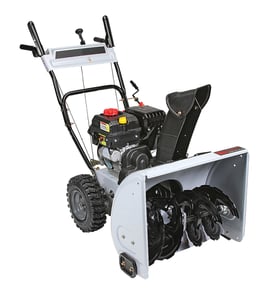




How to find snowblower model number?
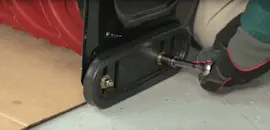
For a Craftsman gas snow thrower like model 536887995, the model number is printed on the product identification label. On many snowblowers, that label is commonly located on the rear of the unit near the axle area, between the wheels; confirm the exact label location using the 536887995 operator's manual.
Where to look on the snowblower
Check these common spots first (wipe off snow, salt, and grime so the label is readable):
- Rear of the snowblower frame between the wheels
- Back of the housing near the axle
- Side of the frame near the engine mounting area
- Handle support area (lower handle/frame junction)
- Under the control panel area (less common)
What you should write down
To order the right parts and match diagrams, record the full ID information exactly as shown.
- Model number (example: 536.887995 may appear with a dot)
- Serial number (if listed)
- Product name/type (snow thrower, dual stage, etc.)
- Engine information (if a separate engine label is present)
Model number vs. engine number (quick comparison)
| What you find | What it identifies | When you use it |
|---|---|---|
| Snowblower model number (536887995) | The Craftsman snowblower assembly | Parts lookups, diagrams, most repairs |
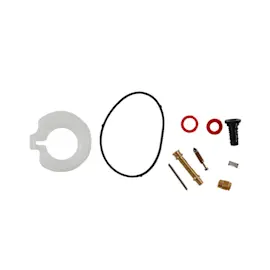
| Engine model/type/code | The engine only | Engine-specific parts (carburetor, ignition, recoil) |
Why it matters
The model number narrows your unit to the correct parts list and diagrams. Even small differences between similar Craftsman snow throwers can change belts, cables, and chute hardware.
Last updated: January 2026
What is the typical lifespan of a gas snowblower?
A well-maintained gas snowblower typically lasts 10 to 15 years. For the Craftsman 536887995 gas snow thrower, consistent seasonal maintenance (oil, lubrication, belt checks, and proper storage) is what most often pushes service life toward the high end.
What affects lifespan the most
- Fuel care and storage: treating or removing gasoline before storage prevents carburetor and fuel-system damage.
- Oil and lubrication: using the correct oil type/amount and lubricating moving points reduces wear.
- Wear items replaced on time: belts, spark plugs, and shear pins are normal wear parts.
- Usage conditions: heavy, wet snow and long run times accelerate wear on the auger/drive system.
- Annual tune-up: a yearly checkup helps keep engine speed, controls, and adjustments in spec.
Maintenance habits that extend life (model-relevant)
Use the 536887995 owner's manual schedule as your baseline. For this model, key items called out include:
- Adjust the auger drive belt after the first 2 to 4 hours of use, then mid-season, then twice per season.
- Lubricate the drive chain about every 25 hours.
- After each use, clear snow and moisture, tighten fasteners, and replace worn parts promptly.
- For off-season storage (30+ days), run the engine dry or use fuel stabilizer; store in a well-ventilated area.
Common “end-of-life” symptoms vs fixable issues
| What you notice | Most common cause | Typical fix |
|---|---|---|
| Won’t move or slips under load | Worn drive belt or idler issue | Replace belt or pulley, adjust tension |
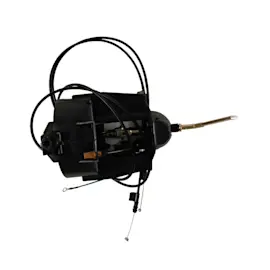
| Auger stops in snow | Loose/worn auger belt or cable out of adjustment | Adjust or replace belt/cable |
| Excess vibration or sudden stop after impact | Shear pins broken | Replace shear pins |
| Hard starting after storage | Old fuel, gummed carburetor | Fresh fuel, clean fuel system |
If you are seeing drive slippage, the snowblower drive belt 1733324SM is a common wear item to check on this model.
Why it matters
A gas snowblower’s lifespan is mostly a maintenance story. Replacing inexpensive wear parts on schedule and storing fuel correctly prevents the expensive failures that usually end a machine’s service life early.
Last updated: January 2026
What is the most common problem with snow blowers?
The most common problem we see with snow blowers like the Craftsman 536887995 is a no-start or hard-start condition caused by fuel and ignition issues (stale gas, dirty carburetor, fouled spark plug). The next most common issues are chute clogs and drive or auger problems from wear or impact.
Most common issues (and what to check first)
- Won’t start or runs poorly: drain old fuel, refill with fresh fuel, check spark plug condition and wire connection.
- Chute or auger housing clogs: shut the machine down and clear packed snow safely.
- Auger won’t turn: inspect shear pins and auger engagement.
- Unit won’t drive or slips: inspect belts and idler pulley operation.
- Abnormal vibration: stop immediately and inspect for damage after striking an object.
Safe, model-correct way to clear a clog
The 536887995 manual calls out specific steps to prevent injury when clearing the auger or discharge chute. Follow the shutdown sequence in the 536887995 owner’s manual and use the built-in cleaning stick (never your hands).
Before clearing snow or debris:
- Release the auger drive lever
- Move the throttle to STOP
- Remove the ignition key
- Disconnect the spark plug wire
- Use the cleaning stick to clear the auger housing and chute
Quick symptom-to-likely-cause table
| Symptom | Most likely cause | Common fix |
|---|---|---|
| Engine won’t start | Stale fuel, spark plug issue | Fresh fuel, service spark plug |
| Chute plugs constantly | Wet snow, low ground speed | Slow down, clear safely |
| Auger stops under load | Shear pins broken | Replace shear pins |
| Poor forward drive | Worn belt or idler issue | Inspect/replace belt or pulley |
Parts that commonly solve “won’t move” or “auger won’t engage” complaints
If the engine runs but the machine will not propel or the auger will not stay engaged, these wear items are frequent fixes:
- Snowblower drive belt 1733324SM (ground drive)
- Snowblower gas belt 585416MA (auger drive)
- Shear pins (inspect for breakage after jams)
Why it matters
Starting problems and clogs are usually maintenance-related, but vibration or sudden loss of auger function can signal impact damage. Stopping immediately and inspecting prevents bigger failures in the auger, impeller, belts, and pulleys.
Last updated: January 2026
Is it cheaper to repair or replace a snowblower?
For the Craftsman gas snow thrower model 536887995, it’s usually cheaper to repair when the problem is a normal wear item (belts, cables, shear pins) and the machine is otherwise solid; replacement makes more sense when the repair total approaches about half the cost of a comparable new snowblower or the unit has repeated major failures.
Quick decision checklist
- Repair when the issue is isolated (noises, slipping, won’t throw snow) and the engine runs well.
- Repair when the fix is a common maintenance part (belt, cable, shear pins).
- Replace when the engine has low compression, severe oil burning, or won’t stay running after proper service.
- Replace when the drive system has multiple expensive issues (friction wheel plus shafts/bearings) and performance is declining.
- Replace when the housing/auger area has heavy rust-through or structural damage.
Typical “repair vs replace” cost guide
| Situation | Usually best choice | Why |
|---|---|---|
| Auger won’t discharge snow due to a damaged belt | Repair | Belt replacement is a standard service item |
| Unit won’t move forward (traction issues) | Repair first | Often belt/cable/friction wheel adjustment or replacement |
| Multiple major failures in one season | Replace | Costs stack quickly and reliability drops |
Model-specific examples of “repairable” problems
Your 536887995 manual calls out routine maintenance and adjustments, including checking for worn parts after each use and adjusting belts periodically. For common repairs, start with the procedures in the 536887995 owner’s manual.
Common parts that often make repair the economical choice:
- Snowblower drive belt 1733324SM (ground drive slipping or no movement)
- Snowblower gas belt 585416MA (auger not turning or not throwing snow)
- Kit shearbol 1501227MA (auger stops after hitting ice, gravel, or debris)
Why it matters
A well-timed repair restores throwing distance and traction for far less than the cost of a new machine, and it also helps prevent secondary damage (for example, running with a loose or worn belt can accelerate pulley and cable wear).
Last updated: January 2026