Error Codes



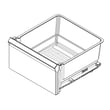
What are the dimensions of a 28 cubic foot refrigerator?
Most 28 cu. ft. refrigerators are full-size units that measure about 36 inches wide, 70 inches tall, and 34 to 36 inches deep; for a Samsung side-by-side like RS28A5F61SG, depth varies the most depending on handles and door swing clearance.
Typical size range you can plan around
Use these common planning dimensions for a 28 cu. ft. refrigerator opening:
- Width: 35 3/4 to 36 inches
- Height: 69 to 71 inches
- Depth (cabinet): 30 to 33 inches
- Depth (with doors/handles): 34 to 36+ inches
- Recommended side clearance: about 1/8 to 1/2 inch per side
- Recommended top clearance: about 1 inch
Measuring tips (so it fits and the doors open)
Measure your space and the refrigerator in three ways:
- Opening width at the front and back (walls are often not perfectly square)
- Opening height to the lowest cabinet or trim
- Depth from the back wall to the front edge of the countertop
- Door swing path (handles and hinges can add needed clearance)
- Delivery path (doorways, turns, and stairs)
Quick planning table
| What you’re checking | What to measure | Why it matters |
|---|---|---|
| Fit in the cutout | Width and height of the opening | Prevents binding or rubbing |
| Front-to-back | Depth to counters and nearby walls | Avoids sticking out too far |
| Usability | Door swing and handle clearance | Ensures drawers and bins can open |
Why it matters
A 28 cu. ft. refrigerator can physically fit the opening but still be hard to use if the doors cannot swing fully or if the unit sits too far forward. Planning for depth and hinge clearance prevents dents, leaks from pinched water lines, and poor airflow.
Related DIY help
If you’re also planning for water and ice hookups, we recommend: how to prevent water dispenser and ice maker problems.
Last updated: January 2026
What is the price of Samsung 192 ltr refrigerator 1 star?
The Samsung RS28A5F61SG is a side-by-side refrigerator, so it is not the same product as a Samsung 192-liter 1-star single-door refrigerator. Pricing for a 192 L 1-star model varies by country, seller, and exact model number; we recommend matching the exact model before comparing prices.
Make sure you are pricing the correct refrigerator
A “192 ltr 1 star” Samsung refrigerator is typically a single-door direct-cool style, while RS28A5F61SG is a side-by-side model. Use this checklist to avoid buying the wrong part or comparing the wrong price:
- Confirm the full model number on the rating label (inside the fresh food compartment)
- Confirm the refrigerator type (single-door vs side-by-side)
- Confirm the market/region (US vs India pricing is not comparable)
- Confirm whether the price includes delivery, installation, and taxes
- If you are shopping for parts, match the part to the exact model (RS28A5F61SG)
If you meant parts pricing for RS28A5F61SG
If your goal is to estimate repair cost for the Samsung RS28A5F61SG, here are examples of common replacement parts for this model:
| Part (example) | What it affects | When it’s commonly replaced |
|---|---|---|
| Samsung refrigerator ice maker DA97-21995A | Ice production | No ice, jammed ejector, leaking mold |
| Samsung refrigerator evaporator fan motor DA31-00342A | Cooling airflow | Warm fridge/freezer, noisy fan |
| Refrigerator temperature sensor DA32-00024L | Temperature control | Erratic temps, error symptoms |
Why it matters
A price quote only makes sense when the model and configuration match. A 192-liter 1-star single-door refrigerator and a Samsung RS28A5F61SG side-by-side refrigerator have different capacities, features, and parts, so their pricing and repair costs are not interchangeable.
Last updated: January 2026
How to check Samsung fridge model?
To check the model on your Samsung refrigerator, find the appliance ID label and read the Model field. For the Sears PartsDirect parts listing you are on, the model number is RS28A5F61SG, so matching that label to RS28A5F61SG ensures you’re shopping the correct parts.
Where to find the model number label
Most Samsung side-by-side refrigerators place the model/serial label in one of these common spots:
- Inside the fresh food compartment on a side wall (often left side)
- Near the top shelf area (sometimes above the top shelf)
- Behind or beside the crisper drawers (you may need to pull a drawer out)
- Along the door frame area when the door is open
What to write down (and why)
Capture these details exactly as shown on the label:
- Model number (example: RS28A5F61SG)
- Version code / revision (if listed)
- Serial number
- Manufacture date (if shown)
Why it matters
Samsung refrigerators can have multiple revisions that look identical but use different parts (ice maker, fan motor, sensors, door bins). Using the exact model information helps prevent ordering a part that does not fit.
Quick check: model label vs parts page
Use this simple comparison before ordering:
| Item to compare | What you should see | What it affects |
|---|---|---|
| Model number | RS28A5F61SG | Overall parts compatibility |
| Revision/version | Matches your label | Sub-model part differences |
| Product type | Side-by-side refrigerator | Correct diagrams and sections |
If you’re checking the model because a part failed
Once you confirm the model, match the failed symptom to the correct part category. For example:
- Not making ice: ice maker, water supply, temperature issues
- Warm fridge/freezer: evaporator fan, condenser fan, airflow restrictions
- Water leaks: water tube fitting, filter housing, drain issues
If the issue is ice-related, we recommend starting with why your Samsung fridge stopped making ice and how to fix it.
Last updated: January 2026
What is the most common problem with Samsung refrigerators?
The most common Samsung refrigerator problems are ice maker failures and cooling complaints. On the Samsung RS28A5F61SG side-by-side, the most frequent root causes are airflow restrictions from frost or blocked vents, a failing fan motor, or temperature-sensing issues that make the unit run warm or freeze up.
Most common symptoms customers notice
- Ice maker stops producing ice or makes small/hollow cubes
- Ice clumps, frost buildup, or a “freezer burn” smell from poor airflow
- Refrigerator section warms up while the freezer seems OK
- Loud humming, grinding, or rattling from the freezer area (fan noise)
- Water leaks or puddles (often from ice melt or a drain issue)
What usually causes those problems
In a side-by-side like RS28A5F61SG, ice and cooling issues often trace back to airflow and temperature control.
| Symptom | Most likely system | Common part types involved |
|---|---|---|
| No ice or slow ice | Ice maker and water supply | Ice maker, water tube/fitting, filter system |
| Fridge warm, freezer OK | Airflow from freezer to fridge | Evaporator fan motor, air damper, frost buildup |
| Both sections warm | Sealed system or heat removal | Condenser fan/coil assembly, compressor |
| Erratic temps | Temperature feedback/control | Temperature sensor, humidity sensor |
Quick checks we recommend before replacing parts
- Confirm doors close fully and gaskets seal; warm air causes frost and poor cooling.
- Set temps to typical targets: 37°F fresh food and 0°F freezer.
- Make sure vents are not blocked by food packages.
- Listen for the evaporator fan in the freezer; a stalled fan often means warm fridge temps.
- If the unit has an error code, use our Samsung rs25h model side by side refrigerator error codes guide to narrow the failure.
Parts that commonly fix ice and cooling complaints on RS28A5F61SG
These are model-matched examples we see tied to the symptoms above:
- Samsung refrigerator ice maker DA97-21995A (no ice, jammed ice, inconsistent harvest)
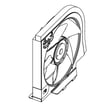
- Samsung refrigerator evaporator fan motor DA31-00342A (warm fridge, noisy freezer, weak airflow)
- Refrigerator air damper DA31-00333E (freezer cold but fridge warm)
- Refrigerator temperature sensor DA32-00024L (temps swing, over-freezing or warming)
Why it matters
Ice maker and cooling problems usually get worse over time. Catching airflow, fan, or sensor issues early helps prevent food spoilage, heavy frost buildup, and long run times that stress the cooling system.
Last updated: January 2026