Owner’s manual
 View engine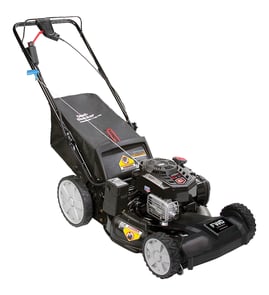



Should I use 87 or 91 gas for lawn mower?
For the Craftsman 247397600 gas walk-behind mower, we recommend using fresh regular unleaded 87-octane gasoline; higher octane (like 91) does not add power or protection in a small mower engine. Focus more on fresh fuel and correct storage than octane.
- Use 87 octane regular unleaded from a busy station (fresher fuel).
- Avoid old gas; fuel that sits can cause hard starting and rough running.
- If available in your area, ethanol-free fuel can reduce storage-related issues.
- Do not mix oil into the gas unless your mower is a 2-cycle engine (most walk-behind mowers are 4-cycle).
- Keep the gas can clean and sealed to prevent water contamination.
| Fuel choice | Best for | What you will notice | Our take |
|---|---|---|---|
| 87 octane (regular) | Normal mowing, everyday use | Normal starting and power | Recommended |
| 91 octane (premium) | Not required for most mower engines | Usually no difference | Not necessary |
Many “bad gas” symptoms are really fuel age, airflow, or ignition issues. Before changing octane, we check:
- Fuel freshness (drain and refill if it is more than about 30 days old)
- Air filter condition (dirty filter can make it run rich)
- Spark plug condition and gap
- Carburetor bowl and jets for varnish
- Fuel cap venting (a clogged vent can starve fuel)
A good next step is following the fuel and starting guidance in the 247397600 owner’s manual.
Using the right fuel helps prevent carburetor clogging, surging, and no-start problems. Octane mainly relates to knock resistance; most walk-behind mower engines are designed to run correctly on regular 87, so fuel freshness and storage habits make the biggest difference.
Last updated: January 2026
What model number is the Craftsman 247397600?
The model number for this Craftsman walk-behind lawn mower is 247397600. You will typically find it on the mower’s model tag (often near the rear deck area or handle mount) and it is the number you should use when ordering parts and looking up specifications in the 247397600 owner's manual.
Look for a sticker or metal tag on the mower frame. Common locations include:
- Rear of the deck (behind the engine)
- Side of the deck near the rear wheel
- Handle bracket or handle mount area
- Under the rear discharge door (rear skirt area)
Craftsman mowers can look similar across multiple versions, but parts can differ by model. Using 247397600 helps ensure the correct fit for items like the blade, wheels, and drive components.
- Deck blade style and mounting pattern
- Wheel size and hub design
- Drive belt length and width
- Transmission and drive cable routing
Use this table to avoid mix-ups when ordering:
| What you’re identifying | Example format | What it’s used for |
|---|---|---|
| Model number | 247397600 | Finds diagrams, manuals, and the correct parts list |
| Part number | 954-04260, 942-0741-X | Identifies the manufacturer’s part |
| Part name | Lawn & garden equipment belt, 21-in deck mulching blade | Confirms what the part does |
If you are replacing a wear item, match it to your model’s diagrams first, then confirm the description.
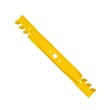
- For a blade replacement, compare to the lawn mower 21-in deck xtreme mulching blade listing
- For drive issues, confirm the belt type and length shown for your model
- For wheel problems, verify front vs. rear wheel size before ordering
A correct model number prevents returns and downtime; it ensures the blade, belt, transmission, and deck parts match the exact Craftsman configuration.
Last updated: January 2026
Where is Craftsman's model number?
On a Craftsman walk-behind mower like model 247397600, the model number is typically printed on a model and serial number label attached to the mower deck or rear housing. Use the model number on that label (not the engine numbers) when ordering parts and looking up diagrams in the 247397600 owner's manual.
Look for a sticker or metal tag in these spots:
- On top of the mower deck near the engine mounting area
- On the rear of the deck, behind the engine
- Near the rear discharge opening or rear skirt area
- On the handle bracket area (where the handle bolts to the deck)
- Under the grass bag door area (rear bagging models)
Many mowers have two different IDs. Here is how to use them:
| What you’re identifying | Where it’s found | What it’s used for |
|---|---|---|
| Mower model number (example: 247397600) | Label on the deck or rear housing | Correct Craftsman parts diagrams and mower parts |
| Engine model/type/code | Stamped or labeled on the engine | Engine-specific parts (carburetor, ignition, recoil starter) |
- Wipe off grass and dirt; labels are often low on the deck and get coated
- Use a flashlight and take a photo; zooming in usually makes the numbers clearer
- Write down the full model number exactly as shown; that is what matches parts lists
Using the mower model number ensures you get the right fit for deck parts like the blade, wheels, drive system, and controls. Engine numbers are helpful for engine parts, but they do not identify the mower’s deck and drive configuration.
Last updated: January 2026
Is it cheaper to repair or replace a lawn mower?
For a Craftsman walk-behind mower like model 247397600, it’s usually cheaper to repair when the problem is a wear item (blade, wheel, cable, belt). It’s usually cheaper to replace when a major system fails (engine or transmission) or when the repair total approaches about half the cost of a comparable new mower.
- Repair if the fix is routine maintenance or a single bolt-on part
- Replace if the engine has low compression, severe internal damage, or repeated no-start issues
- Replace if the drive system needs multiple major parts at once (belt plus transmission plus cables)
- Repair if the mower is otherwise solid (deck not rusted through, handle and wheels stable)
- Replace if safety or structural parts are cracked or the deck housing is badly corroded
| Scenario | Typical parts and labor effort | Usually best choice |
|---|---|---|
| Dull/bent blade, vibration | Blade service or replacement | Repair |
| Won’t self-propel | Belt/cable diagnosis; sometimes transmission | Repair first, replace if transmission is the main failure |
| Engine runs rough or won’t start | Fuel system tune-up items; ignition checks | Repair first |
| Engine seized or major internal failure | Engine replacement or major rebuild | Replace |
If your issue matches one of these common wear areas, repairing is typically cost-effective:
- Cutting performance or vibration: lawn mower 21-in deck xtreme mulching blade
- Self-propel problems: lawn & garden equipment belt
- Worn or damaged wheels: mtd lawn mower wheel, 8 x 2-in
A walk-behind mower’s value is tied to the engine and deck. Replacing a blade, belt, wheel, or control cable restores performance for far less than replacing the whole mower, but major engine or transmission failures can quickly exceed the mower’s practical value.
Use the 247397600 manual to confirm the correct maintenance intervals and to identify the drive and blade hardware on your exact configuration; that helps you estimate parts needed before committing to a repair.
Last updated: January 2026