 Owner’s manual



What is the lifespan of a GE washing machine?
Most GE washers, including the GE GFW850SPN0RS front-load washer, typically last about 10 to 14 years with normal household use and consistent maintenance. Actual lifespan varies most with load frequency, detergent habits (HE only), and how well moisture and residue are controlled after each cycle (see the care guidance in the GFW850SPN0RS owner’s manual.)
What affects lifespan the most
A washer’s “years of service” is really a mix of usage and care. These factors usually make the biggest difference:
- Loads per week: more cycles equals more wear on bearings, motor, and pump
- Detergent type and amount: using too much (or non-HE) can cause oversudsing and residue
- Moisture control: leaving the door closed all the time can encourage odor and gasket buildup
- Water quality: hard water can increase scale and soap buildup
- Leveling and vibration: an unlevel washer can stress suspension and moving parts
Maintenance habits that help a GE front-load washer last longer
The GFW850SPN0RS manual recommends routine cleaning that directly supports long-term reliability.
- Run the Self Clean cycle about monthly (or every 30 to 40 loads)
- Wipe and inspect the door gasket regularly; remove debris from the drain holes
- Clean the pump filter if you notice slow draining, wet clothes, or intermittent pauses
- Use only HE detergent and avoid overfilling the dispenser
- Replace water supply hoses about every 5 years to reduce leak risk
Quick reference: “normal aging” vs “needs attention”
| What you notice | Often normal | Often a fixable issue |
|---|---|---|
| Slightly longer cycle times | Load sensing and rebalancing | Drain restriction or oversudsing |
| Mild vibration on spin | Some movement is expected | Leveling legs not firmly on floor |
| Occasional odor | Door stayed closed after use | Gasket residue, needs Self Clean |
Why it matters
A washer that is kept clean and draining properly tends to run with less strain on the drain pump, motor, and control system. That usually means fewer breakdowns and a longer usable life.
Last updated: January 2026
Is the GE smart front load washer any good?
The GE GFW850SPN0RS is generally a strong front-load choice if you want smart features and odor-control help; it includes WiFi Connect, SmartDispense (on some versions), and the UltraFresh Vent system designed to reduce moisture after cycles. For best results, follow the feature and care guidance in the GFW850SPN0RS owner’s manual.
What “good” usually means for this model
From the model’s documented features, “good” typically comes down to convenience, cleaning performance, and keeping the door area dry between loads.
Common strengths
- WiFi Connect support for remote monitoring and notifications
- SmartDispense automatic detergent dosing (feature availability can vary by version)
- UltraFresh Vent option to help reduce moisture and odors after unloading
- Self Clean cycle designed to be run about monthly
- Multiple cycles and options (including steam on equipped models)
Common tradeoffs
- Front-loaders need routine gasket and dispenser cleaning
- Using too much detergent can cause oversudsing and residue
- Loads may need rebalancing to reach full spin speed
Quick feature snapshot
| Feature | What it does | Where it helps most |
|---|---|---|
| WiFi Connect | Connects washer to a smartphone app | Convenience, alerts |
| SmartDispense | Auto-doses detergent based on load | Consistent dosing, less guesswork |
| UltraFresh Vent | Runs intermittent low-speed tumbling/airflow after cycles | Odor prevention |
| Self Clean | Cleans basket of residue and odor | Monthly maintenance |
How to get the best experience (and avoid common complaints)
- Use only HE detergent and avoid overfilling the dispenser
- Run Self Clean about once per month (or every 30 to 40 cycles)
- Wipe and inspect the door gasket regularly; remove debris from the folds
- If clothes are wetter than expected, redistribute and run Rinse & Spin
- If draining issues occur, clean the pump filter as outlined in the manual
Why it matters
Most “bad washer” experiences with smart front-load models come from setup and upkeep, not the electronics. Using the right detergent amount and running venting and cleaning cycles helps the GFW850SPN0RS stay fresh, drain well, and perform consistently.
Last updated: January 2026
What is the most common problem with GE washers?
For the GE GFW850SPN0RS washer, the most common service issues we see are “won’t drain / won’t spin,” stopping mid-cycle due to a door-lock or control problem, and leaks around the door seal area. Many of these symptoms trace back to a clogged pump filter, a failing drain pump, or an electronic control component.
Most common symptoms (and what they usually point to)
- Not draining or clothes still wet: clogged pump filter, restricted drain hose, or a failing drain pump
- Stops mid-cycle or won’t start: door not locking, door lock/strike issue, or control board communication problem
- Leaking at the front: debris or damage at the door boot (gasket) or oversudsing from too much detergent
- Loud vibration or shaking: out-of-balance load or leveling/installation issue
- Slow fill or no fill: clogged inlet screens or a failing inlet valve
For model-specific operating and troubleshooting steps (including pump filter cleaning and cycle behavior), follow the GFW850SPN0RS owner’s manual.
Quick checks we recommend before replacing parts
- Run Rinse & Spin after redistributing the load (front-loaders are sensitive to balance).
- Check the pump filter for coins, lint, socks, and debris (a very common cause of drain and spin complaints).
- Inspect the drain hose for kinks and make sure it is not pushed too far down the standpipe (helps prevent siphoning).
- Use only HE detergent and reduce the amount if you see suds or water at the back-left area (oversudsing can mimic leaks and drain issues).
Parts that commonly resolve these problems on GFW850SPN0RS
When symptoms match, these are frequent fixes for this exact model:
| Symptom | Commonly involved part | What it does |
|---|---|---|
| Won’t drain / won’t spin | GE washer drain pump assembly WH11X39237 | Pumps water out so the washer can rinse and spin properly |
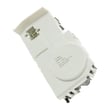
| Door won’t lock / cycle won’t start | GE washer door lock WH01X29528 | Confirms the door is locked so the control can run the cycle |
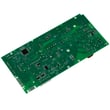
| Random stopping / control issues | Main board WH22X37840 | Manages washer functions and component communication |
Why it matters
Drain, lock, and control issues can cascade: a restricted drain can prevent high-speed spin, and a door-lock fault can stop the cycle for safety. Catching the root cause early helps prevent repeat failures and reduces the chance of water leaks.
If you’re seeing an error code, our GE gfw front load washer error codes guide can help you narrow the failure to the right system.
Last updated: January 2026


