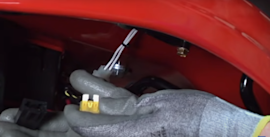
Installation guide
 Owner’s manual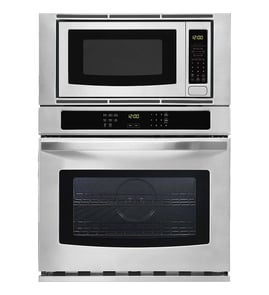


What is the difference between 27 and 30 inch wall ovens?
A 27-inch and a 30-inch wall oven mainly differ in cabinet cutout width and overall cooking capacity. For the Electrolux E30MC75JPS3 wall oven/microwave combo, the installation guide shows it’s a 30-inch unit, so it needs a wider cutout than a 27-inch model. See the E30MC75JPS3 installation guide for the exact cutout dimensions.
Key differences (what changes in real life)
- Cabinet cutout width: 30-inch models require a wider opening than 27-inch models.
- Oven cavity capacity: 30-inch ovens typically offer more usable space for larger pans and multiple racks.
- Exterior width and trim fit: A 30-inch unit usually covers a wider face area; trim kits and moulding alignment differ.
- Electrical planning: Many 30-inch wall ovens draw more power; always size the circuit to the rating plate.
- Replacement compatibility: You generally cannot swap 27-inch and 30-inch units without cabinet modifications.
Typical capacity comparison
Capacity varies by brand and design, but these ranges are common:
| Nominal size | Typical single-oven capacity | Best for |
|---|---|---|
| 27-inch wall oven | ~3.5 to 4.3 cu. ft. | Standard baking, tighter cabinet layouts |
| 30-inch wall oven | ~4.5 to 5.1 cu. ft. | Large roasts, multiple sheet pans, frequent entertaining |
What we know for Electrolux E30MC75JPS3
The installation instructions list “30-inch (76.2 cm) wall oven” dimensions and specify a 30-inch minimum cabinet width for the cutout. That means E30MC75JPS3 is designed for a 30-inch opening, not a 27-inch opening. Refer to the E30MC75JPS3 installation guide for the full cutout chart and clearances.
Why it matters
Choosing the wrong nominal size can create fit problems (gaps, trim not seating, door interference) and can force cabinet rework. Matching the cutout dimensions first prevents installation delays and return trips.
Last updated: January 2026
What is the disadvantage of a combi oven?
A combi oven (like the Electrolux E30MC75JPS3 wall oven/microwave combo) costs more up front and is more complex to use and service than a standard wall oven. Installation can also be more demanding because it must fit the cabinet cutout and meet specific electrical and anti-tip requirements.
Common disadvantages to plan for
- Higher purchase and repair cost: more electronics and more components than a basic oven.
- More complex controls: it can take time to learn microwave, convection, and combination modes.
- Tighter installation requirements: cabinet cutout sizing and clearances matter for safe fit.
- Heavier unit: moving and installing typically requires two people.
- More specialized service: combo units can involve both oven and microwave diagnostics.
Installation and safety drawbacks (what we see most)
Your E30MC75JPS3 is designed to fit a limited range of cabinet cutouts, and the base must support substantial weight. The installation instructions also call out critical details like keeping the unit centered with factory spacers and using anti-tip mounting brackets.
| What can be harder | What it affects | What to do |
|---|---|---|
| Cutout size and door clearance | Fit, door swing, heat management | Measure the opening and compare to the cutout chart in the installation guide |
| Electrical requirements and grounding | Safe operation, nuisance trips | Verify circuit sizing and wiring method per the installation guide |
| Anti-tip bracket installation | Safety when opening the door | Install the supplied brackets exactly as shown in the installation guide |
When a “combi” feels smaller than expected
Even though you get two cooking systems in one built-in appliance, usable space can feel limited compared to having a separate full-size wall oven plus a separate countertop microwave.
Quick ways to avoid capacity frustration
- Use the oven for larger bake and roast tasks; reserve the microwave for reheats and quick cooking.
- Plan cookware around the cavity size (wide handles and tall lids can reduce usable space).
- Keep racks and accessories organized so airflow is not blocked.
Why it matters
Most combi-oven complaints come down to expectations: you gain versatility (microwave plus oven modes), but you trade off simplicity. Planning for installation fit, electrical needs, and long-term service access prevents the most common headaches.
Last updated: January 2026
How long should an Electrolux oven last?
Most Electrolux wall ovens, including the Electrolux E30MC75JPS3 wall oven/microwave combo, typically last 10 to 20 years with normal use and basic maintenance; the built-in microwave portion typically lasts about 10 years. Real-world lifespan depends most on heat exposure, ventilation, and how often the unit runs at high temperatures.
Typical lifespan ranges
Here are the practical expectations we use for planning repairs versus replacement:
| Component | Typical lifespan | What usually ends it first |
|---|---|---|
| Wall oven section | 10 to 20 years | Control issues, heating problems, door wear |
| Microwave section | About 10 years | Door switch/latch wear, magnetron or control failure |
What helps your E30MC75JPS3 reach the high end of the range
- Keep vents clear and avoid blocking airflow around the built-in cabinet opening.
- Use cookware that fits; overcrowding can increase heat cycling and fan run time.
- Wipe spills promptly to reduce smoke and overheating during baking.
- Avoid slamming doors; it accelerates hinge, latch, and switch wear.
- If temperatures seem off, calibrate settings before replacing parts.
When a repair is usually worth it (and when it is not)
We typically see repairs make sense when the cabinet and door are in good shape and the failure is isolated to a common service part.
| Symptom | Common fix | Example part for this model |
|---|---|---|
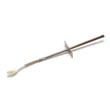
| Oven bakes too hot/cold | Replace temperature sensor | Range oven temperature sensor 5304504897 |
| Microwave runs only with door pressure or will not start | Replace door interlock switch or latch parts | Microwave door interlock switch 5304493153 |
Why it matters
Knowing the expected lifespan helps you decide whether to troubleshoot a heating issue (sensor, element, control) or plan for replacement, especially since built-in wall oven/microwave combos involve installation labor and cabinet fit.
For model-specific operating and care guidance, follow the maintenance and usage recommendations in the E30MC75JPS3 owner’s manual.
Last updated: January 2026