




Do downdraft vents need to be vented outside?
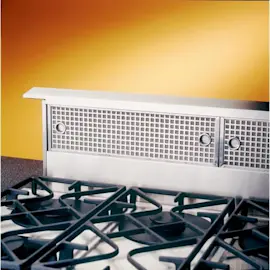
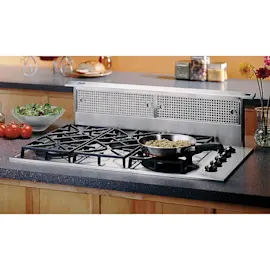
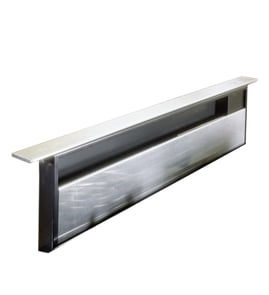
For the best smoke, grease, and odor removal, we vent a Whirlpool downdraft ventilation system like model UXD8636DYS3 to the outside through ductwork. Some installations use a recirculating setup, but outside venting delivers stronger capture and keeps more heat and moisture out of the kitchen.
Outside venting vs. recirculating: what we recommend
Outside venting is the standard choice for performance, especially if you do high-heat cooking (searing, stir-fry, grilling on a griddle).
- Outside venting (ducted): Moves air out of the home; best for smoke and grease.
- Recirculating (ductless): Cleans air through filters and returns it to the room; easier when routing ductwork is not practical.
- Bottom line: If you can run ductwork, we choose ducted venting for UXD8636DYS3.
What you need for a strong ducted installation
A downdraft system is sensitive to airflow restrictions. These basics make a noticeable difference:
- Keep the duct run as short and straight as possible
- Minimize elbows and transitions
- Seal duct joints to prevent air leaks
- Make sure the exterior termination opens freely (no stuck flap)
- Maintain the grease filter so airflow stays high
Common parts that affect venting performance
| Symptom | What to check | Example part for UXD8636DYS3 |
|---|---|---|
| Weak airflow | Grease filter clogged | Downdraft vent grease filter W10422878 |
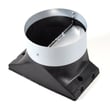
| Backdraft or flap noise | Damper sticking or damaged | Range hood damper WPW10313841 |
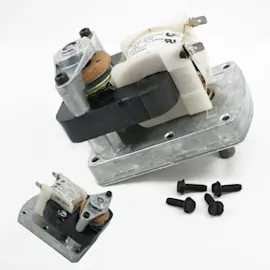
| Vent will not raise/lower (airflow poor because unit stays down) | Lift motor issue | Arm motor WPW10421277 |
Why it matters
When a downdraft is vented outside, it removes smoke, grease, moisture, and odors instead of redistributing them. That helps keep cabinets cleaner, reduces lingering cooking smells, and improves comfort during heavy cooking.
Last updated: February 2026
Is a downdraft vent worth it?
Yes, a downdraft vent can be worth it when you want a clean sightline over an island or open kitchen, and you mainly do everyday cooking. For heavier smoke and high-heat searing, most kitchens get stronger capture with an overhead hood, so performance expectations matter.
When a downdraft vent is a good choice
A Whirlpool downdraft ventilation system like model UXD8636DYS3 is typically “worth it” when design and visibility are top priorities.
- You have an island cooktop and do not want a hood blocking views
- You cook mostly simmering, sautéing, and light frying
- You want ventilation that stows away when not in use
- You have limited overhead cabinet space for ducting
- You are willing to keep filters clean for best airflow
When it may not feel worth it
Downdraft systems pull air sideways and down, so they can struggle more with rising heat and smoke compared to a canopy hood.
- Frequent searing, wok cooking, or smoky grilling indoors
- Tall stockpots where steam rises above the intake area
- Drafty kitchens where cross-breezes push smoke away from the vent
- Gas burners where strong airflow can disturb the flame
Quick comparison: downdraft vs overhead hood
| Feature | Downdraft vent | Overhead hood |
|---|---|---|
| Sightlines | Excellent | Can block views |
| Smoke capture | Moderate (best when close to source) | Typically stronger |
| Maintenance | Filter cleaning is critical | Filter cleaning is still important |
| Best use | Everyday cooking, open layouts | High-heat, frequent frying/searing |
What to check before deciding
These practical items usually determine satisfaction more than the brand name.
- Ducting path and length: shorter, smoother duct runs move air better
- Make-up air needs: some homes require it when venting outdoors
- Cooktop style: gas vs electric/induction changes how smoke and heat rise
- Filter condition: a clogged grease filter reduces airflow fast; consider replacing the downdraft vent 36-inch model grease filter W10425128 if yours is damaged or won’t clean well
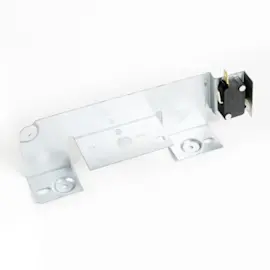
- Damper operation: a stuck damper can hurt performance; the range hood damper WPW10313841 is a common airflow-related replacement part
Why it matters
Ventilation affects indoor air quality, cabinet cleanliness, and how comfortable your kitchen feels during cooking. With downdraft systems, keeping airflow unobstructed (clean filters, clear ducting, working damper) is the difference between “worth it” and “why is it not pulling smoke?”
Last updated: February 2026
What are the cons of a downdraft range?
Downdraft ventilation (like the Whirlpool UXD8636DYS3 system used with a cooktop or range) trades convenience and a clear sightline for performance and space. The biggest downsides are weaker capture of smoke and steam than an overhead hood, plus added ducting complexity and reduced cabinet space.
Main drawbacks to expect
- Less effective for heavy cooking: Smoke and steam naturally rise, so pulling them downward can miss plumes from tall pots, high-heat searing, or wok cooking.
- Can affect gas burner performance: Strong airflow near the cooktop can disturb flames and reduce heating consistency on some setups.
- Uses up under-counter space: The blower, ductwork, and vent housing often reduce drawer or cabinet storage below the cooktop.
- More installation constraints: Routing ducting through a cabinet base and floor can limit where the cooktop can be placed.
- More cleaning points: Grease filters and the vent intake area need regular cleaning to keep airflow strong.
Performance comparison (what most homeowners notice)
| Feature | Downdraft ventilation | Overhead range hood |
|---|---|---|
| Smoke capture at high heat | Fair to good | Good to excellent |
| Steam capture from tall pots | Often limited | Typically better |
| Impact on cabinet space | Higher | Lower |
| Installation complexity | Often higher (duct routing) | Varies (duct or recirculating) |
Parts and maintenance that matter most
Good maintenance reduces the most common downdraft complaints (weak airflow, noise, grease buildup).
- Clean the grease filter regularly; replace it if it is bent or won’t come clean (see downdraft vent grease filter W10422878 or downdraft vent 36-inch model grease filter W10425128).
- If the vent won’t raise/lower smoothly, the lift drive components are common suspects (see arm motor WPW10421277 and arm motor WPW10421280).
- If backdrafting or outside air leaks are an issue, inspect the damper for sticking or damage (see range hood damper WPW10313841).
Why it matters
Downdraft systems work best for light-to-moderate cooking and kitchens where an overhead hood is not practical. If you frequently sear, stir-fry, or boil large stockpots, the ventilation tradeoff is usually the deciding factor.
Last updated: February 2026
How to fix a downdraft?
On a Whirlpool UXD8636DYS3 downdraft ventilation system, most “downdraft” problems come from restricted airflow, a stuck backdraft damper, or a weak blower. We fix it by restoring proper venting, cleaning the grease filter, and checking the damper and blower operation.
Quick checks that solve most downdraft issues
- Turn power off at the breaker before opening panels.
- Clean the grease filter and confirm it is fully seated.
- Check the exterior wall or roof cap for a blocked screen, lint, or grease buildup.
- Inspect the duct run for crushed flex duct, sharp bends, or loose joints leaking air.
- Verify the vent opens and closes freely (a stuck damper can cause backflow).
Parts to inspect on UXD8636DYS3
If airflow is poor or you feel air coming back into the kitchen, these model-matched parts are common culprits:
- Range hood damper WPW10313841 (backdraft damper sticking, broken hinge, or not opening fully)
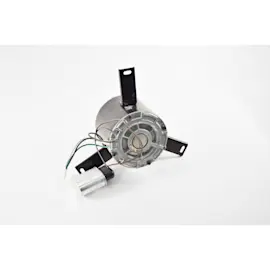
- Downdraft vent blower fan assembly W11672683 (weak airflow, noisy fan, or fan not running)
- Downdraft vent 36-inch model grease filter W10425128 (grease-loaded filter restricting airflow)
Symptom-to-fix guide
| What you notice | Most likely cause | What we do first |
|---|---|---|
| Smoke/steam not pulling down | Grease filter clogged | Clean or replace filter |
| Air blows back into room | Damper stuck or blocked vent cap | Free damper, clear cap |
| Loud humming, little airflow | Blower wheel dirty or failing | Clean blower, check for wobble |
| Vent won’t raise/lower smoothly | Lift/arm motor issue | Inspect motor and linkage |
Why it matters
A downdraft system depends on steady airflow and a working backdraft damper. When the filter, duct, or damper is restricted, the blower cannot move enough air, so odors linger and outside air can push back through the duct.
Last updated: February 2026