 Owner’s manual
 Error Codes





What is the most common problem with LG washers?
Drain and spin-related issues are the most common problems we see with LG washers like model WM3555HWA: slow or no draining, out-of-balance shaking during spin, and odor or mold buildup around the door area on front-load designs. Many of these are prevented with routine cleaning and correct loading.
- Slow or no drain: water left in the drum, long cycle times, or a drain-related error.
- Out-of-balance spin: loud banging, walking, or repeated attempts to redistribute the load.
- Odor or mildew: musty smell after washing, often tied to moisture left in the door seal area.
- Fill problems: little or no water entering, or long fill times.
- Door won’t lock: cycle won’t start or stops because the door lock system is not engaging.
Use the troubleshooting steps in the WM3555HWA owner's manual to match symptoms to causes and error codes.
- Confirm the drain hose is not kinked or pinched; keep the drain outlet under 96 inches high.
- Reduce load size and avoid tightly packing the drum; the door should close easily.
- Use HE detergent correctly; HE washers use less water by design.
- Leave the door slightly open between loads to help the tub and gasket dry.
- If you hear banging during fill, consider a water hammer arrestor for the home plumbing.
If troubleshooting points to a failed component, these model-matched parts are common suspects:
| Symptom | Common part involved | Example model-matched part |
|---|---|---|
| Won’t start, door error, won’t lock | Door lock system | LG washer door lock EBF61315802 |
| Won’t fill, fills slowly | Water inlet valve | Washer water inlet valve 5220FR2006Z |
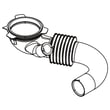
| Won’t drain, drains slowly | Drain pump or blockage | Washer drain pump assembly AHA75853813 |
Drain restrictions, overloading, and moisture left in a front-load washer can trigger repeat errors, poor cleaning, and premature wear on components like the drain pump, door lock, and suspension.
Last updated: February 2026
Why are LG parts so expensive?
LG parts for the WM3555HWA washer often cost more because they are model-specific components (tight fit and compatibility), they’re built to meet performance and safety requirements, and they’re supported through the manufacturer’s parts and warranty system. Pricing also reflects lower-volume production for certain assemblies.
- Model-specific design: Many parts are engineered for a specific LG platform, not “universal” fit.
- Assembly-level replacements: Manufacturers often sell complete assemblies (not sub-pieces), which raises cost.
- Electronics and sensors: Control boards, motor components, and sensor assemblies are higher-cost categories.
- Quality and testing: Parts are produced to meet durability, vibration, and water-sealing requirements.
- Supply chain and availability: In-stock OEM parts and limited distribution can increase price.
Here are common “higher-cost” part types you’ll see for this washer:
| Part type | What it does | Why it can be pricey |
|---|---|---|
| Door lock | Locks the door and confirms it’s safe to spin | Safety-critical, model-specific fit and wiring |
| Drain pump assembly | Pumps water out during drain/spin | Motorized assembly, seals, and housing |
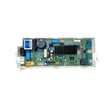
| PCB (control board) | Runs cycles and monitors sensors | Electronics, programming, and protection circuits |
For example, a safety component like the LG washer door lock EBF61315802 is typically more expensive than small hardware because it’s a complete, safety-related assembly.
- Confirm the exact model number (WM3555HWA) before ordering.
- Use the troubleshooting steps and part identification diagrams in the WM3555HWA owner's manual to avoid replacing the wrong part.
- Compare “assembly vs. sub-part” options when available (some repairs allow a smaller component).
- Fix root causes first (clogs, restricted drain lines, installation issues) so the new part lasts.
- If the washer is under warranty, follow the warranty service process described in the manual.
Choosing the correct OEM part for an LG front-load washer helps prevent leaks, door-lock errors, repeat failures, and vibration issues. The upfront cost is often offset by correct fit, proper operation, and fewer repeat repairs.
Last updated: February 2026
What is the average lifespan of an LG washing machine?
Most LG washing machines, including the LG WM3555HWA, typically last 10 to 15 years with normal household use and basic maintenance. Consistent cleaning, correct loading, and quick fixes for small leaks or drain issues are what most often separate a 10-year washer from a 15-year washer.
- Load size and balance: frequent overloading and chronic out-of-balance loads increase wear on the tub support and suspension.
- Drain health: coins, lint, and debris that restrict draining strain the pump.
- Water quality: hard water and heavy detergent use can drive buildup and odors.
- Door seal care: moisture left in the boot can lead to mildew and premature seal problems.
- Leveling and vibration: an unlevel washer increases stress on dampers and mounting points.
We recommend these habits for the WM3555HWA:
- Run the washer’s regular cleaning routine as outlined in the WM3555HWA owner's manual.
- Leave the door slightly open between loads to dry the gasket area.
- Use the right amount of HE detergent; too much can cause residue and odors.
- Check and clean the drain area periodically; replace small drain components like the washer drain pump filter drain hose plug 5006EN3015A if it’s missing or damaged.
- Address slow-drain symptoms early to avoid pump damage.
| Usage pattern | Typical lifespan | What usually ends life early |
|---|---|---|
| Light (few loads/week) | 12 to 15 years | Neglected cleaning, mildew, minor leaks |
| Average family use | 10 to 14 years | Overloading, vibration, drain restrictions |
| Heavy (daily loads) | 8 to 12 years | Pump wear, suspension wear, seal issues |
A washer that is cleaned, leveled, and kept draining freely runs cooler and with less strain on the motor, pump, and suspension. That reduces breakdowns and helps you avoid costly repairs during the washer’s midlife years.
Last updated: February 2026


