Error Codes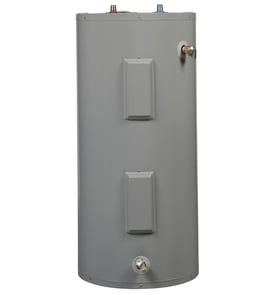




What is usually the most common water heater problem?
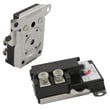
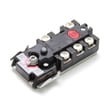
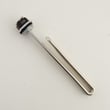
The most common water heater problem we see is a loss of hot water or not enough hot water, usually caused by sediment buildup on the heating element or a failing thermostat. On an Ao Smith ECS40 electric water heater, those issues often point to the element, thermostat, or normal maintenance needs.
Most common problems (and what they look like)
- Not enough hot water or no hot water: failed heating element, tripped high-limit, or bad thermostat.
- Popping or rumbling noises: sediment buildup in the tank.
- Water too hot or temperature swings: thermostat out of calibration or sticking.
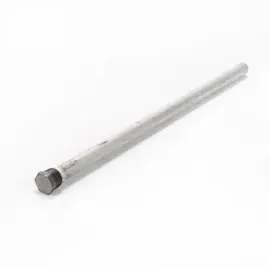
- Rusty or metallic-smelling hot water: anode rod depleted.
- Small leaks at fittings: loose connections or worn seals (tank leaks typically mean replacement).
Quick checks you can do first (electric models)
- Confirm the breaker is on and not tripped.
- Turn power off, remove the access cover, and look for loose or overheated wiring.
- Test voltage and continuity with a meter (only if you are comfortable working safely).
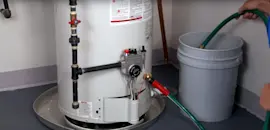
- If you suspect scale, plan a tank flush and inspect the element.
A helpful reference for safe electrical testing is how to use a multimeter to test electrical parts video.
Parts that commonly solve “no hot water” on ECS40
| Symptom | Most likely part area | Example part on this model page |
|---|---|---|
| No hot water | Thermostat or high-limit circuit | Thermostat 100109846 or thermostat 100110039 |
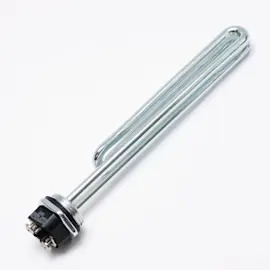
| Slow recovery | Heating element scaled or failed | Element 100109647 |
| Rusty hot water | Corrosion protection depleted | Anode rod 100109624 |
Why it matters
Catching the common causes early (sediment, thermostat drift, worn anode rod) helps restore hot water faster, reduces energy waste, and can extend the service life of the tank.
Last updated: February 2026
What is the life expectancy of a 40 gallon electric water heater?
A 40-gallon electric water heater typically lasts 10 to 15 years. For an Ao Smith ECS40, lifespan depends most on water quality, temperature setting, and maintenance, especially keeping sediment down and replacing the anode rod when it is depleted.
Typical lifespan ranges
Most tank-style electric water heaters fall into these real-world ranges:
- 8 to 12 years: hard water, high temperature setting, little maintenance
- 10 to 15 years: typical household conditions
- 15 to 20 years: good water quality plus consistent maintenance
What shortens (or extends) life
These factors have the biggest impact on tank corrosion and heating efficiency:
- Anode rod condition (a worn anode lets the tank rust faster)
- Sediment buildup (insulates the element and can overheat the tank bottom)
- Water hardness and chemistry (hard water accelerates scale)
- Temperature setting (higher temps increase stress and scaling)
- Leak history (any tank leak means replacement, not repair)
Maintenance that makes the biggest difference
If you want the ECS40 to reach the upper end of the range, focus on these basics:
- Flush the tank periodically to reduce sediment
- Inspect and replace the anode rod as needed (common life-extender)
- Check for moisture at the access panels and around fittings
- Watch for longer heat-up times or reduced hot water volume
- Test thermostats and heating elements if performance changes
Common “wear” parts you can replace
| Symptom | Most likely area | Example part on this model |
|---|---|---|
| Not enough hot water | Heating control or element | Thermostat 100109846 or element 100109647 |
| Hot water runs out fast | Dip tube or sediment | Dip tube 100108763 |
| Rusty smell or faster tank corrosion | Anode protection | Anode rod 100109624 |
Why it matters
Once the tank itself corrodes through, replacement is the only practical fix. Replacing wear parts (like thermostats, an anode rod, or an element) helps you avoid premature failure and keeps energy use and recovery time closer to normal.
Last updated: February 2026
Is it cheaper to repair or replace a water heater?
Repairing an Ao Smith ECS40 water heater is cheaper when the problem is limited to serviceable parts like a thermostat or heating element. Replacing the heater is the better value when the tank is leaking, heavily corroded, or the unit is around 10 years old or more.
Quick decision checklist
- Repair if you have no tank leak and symptoms point to a control or heating issue.
- Repair if the heater still makes hot water but is inconsistent (often thermostat-related).
- Repair if recovery is slow (often element-related).
- Replace if you see water around the base or moisture from the tank body (tank leak).
- Replace if rust is severe at fittings or the tank shows ongoing corrosion.
- Replace if repair cost is approaching 50% of a new heater.
Common repairs that usually cost less than replacement
For the ECS40, the most common “repair-first” items are:
- Thermostat 100109846 (temperature control issues, overheating, not enough hot water)
- Element 100109647 (slow recovery, lukewarm water, tripped breaker symptoms)
- Anode rod 100109624 (maintenance part that helps slow tank corrosion)
Repair vs. replace comparison
| Situation | Usually cheaper | What we recommend |
|---|---|---|
| No leak; water is lukewarm or runs out fast | Repair | Test/replace thermostat or element |
| Breaker trips; wiring looks heat-damaged | Repair (sometimes) | Diagnose wiring and controls; replace failed parts |
| Tank is leaking from the body | Replace | Tank replacement is the fix |
| Unit is ~10+ years old with multiple symptoms | Replace | Avoid stacking repair costs |
Why it matters
A water heater tank is the expensive, non-serviceable core. When the tank is sound, replacing electrical parts can restore performance for far less than a full replacement. When the tank leaks or corrosion is advanced, replacement prevents repeat failures and water damage.
Last updated: February 2026
What brand of electric water heater is the most reliable?
A.O. Smith, Rheem, and Bradford White are consistently strong choices for electric water heater reliability; for an Ao Smith ECS40, we typically see the best long-term results when the tank is maintained (especially the anode rod) and the thermostats and heating elements are kept in good working order.
What “most reliable” means for an electric water heater
Reliability usually comes down to corrosion protection, stable temperature control, and serviceable components.
- A quality tank lining plus a healthy anode rod slows internal corrosion
- Accurate thermostats prevent overheating and short-cycling
- Proper dip tube function helps maintain hot water delivery
- Correct wiring and tight electrical connections reduce nuisance failures
- Routine flushing reduces sediment that can damage an element
Brand comparison (practical, homeowner-focused)
| Brand | Typical strengths | What to watch for |
|---|---|---|
| A.O. Smith | Durable tank designs; widely available service parts | Anode rod wear; sediment buildup over time |
| Rheem | Broad model lineup; strong efficiency options (including heat pump models) | More electronics on some models can add complexity |
| Bradford White | Strong build quality; long track record | Parts availability can vary by channel |
Why maintenance matters more than the logo
Even the best brand will feel “unreliable” if key wear items are ignored. On the ECS40, these parts are common reliability drivers:
- Anode rod 100109624 (protects the tank from corrosion)
- Thermostat 100109846 or thermostat 100110039 (controls water temperature)
- Element 100109647 (heats the water; sediment can shorten its life)
- Dip tube 100108763 (helps deliver hot water effectively)
Quick reliability checklist (ECS40 and similar electric tanks)
- Set temperature to a safe, consistent setting (many homes run around 120°F)
- Flush a few gallons periodically to reduce sediment
- Inspect and replace the anode rod on schedule (often every 3 to 5 years in many homes)
- If hot water is inconsistent, test thermostats and the element with a meter
- Keep access panels and terminal covers installed after service
Why it matters
A “reliable” water heater is one that delivers steady hot water and avoids premature tank failure; replacing a low-cost wear part (like an anode rod) often prevents the most expensive failure (a leaking tank).
Last updated: February 2026