View engine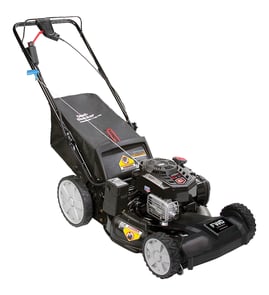




What kind of gas do you put in a push mower?
For the MTD gas walk-behind mower model 12AVB2R3791, we recommend using fresh regular unleaded gasoline (typically 87 octane) and, when possible, ethanol-free fuel. If ethanol-free is not available, E10 (up to 10% ethanol) is the common, safe choice for most push mower engines.
- Best: Fresh, ethanol-free regular unleaded (87 octane)
- Common alternative: Regular unleaded E10 (up to 10% ethanol)
- Avoid: Old gas (more than 30 days without stabilizer)
- Avoid: E15/E85 or any fuel with more than 10% ethanol
- Avoid: “Racing” or very high-octane fuel unless your engine label specifically calls for it
| Fuel type | Use it? | Why |
|---|---|---|
| Regular unleaded 87 (ethanol-free) | Yes | Best storage stability and fewer carburetor issues |
| Regular unleaded 87 (E10) | Yes | Widely available and commonly approved for small engines |
| E15 | No | Higher ethanol can cause hard starting and fuel system damage |
| E85 | No | Not compatible with small-engine fuel systems |
- Buy gas in small quantities so it stays fresh.
- Add fuel stabilizer if the mower will sit more than 30 days.
- At season end, run the engine dry or drain the tank (whichever your routine supports) to reduce varnish buildup.
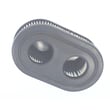
- Keep the air intake clean; a clogged filter can mimic fuel problems. Use the correct replacement such as the air filter 593260.
Using the right fuel helps your mower start easier, run smoother, and reduces carburetor varnish, surging, and stalling. Fresh fuel and basic maintenance usually prevent the most common “won’t start” complaints on gas walk-behind mowers.
Last updated: January 2026
What is the life expectancy of a gas lawn mower?
Most gas walk-behind mowers, including the MTD model 12AVB2R3791, typically last 8 to 10 years with normal residential use and basic maintenance. Regular tune-ups and keeping the deck clean can push service life longer, while neglected fuel and filtration issues shorten it.
- Engine care: clean air intake, fresh oil, and correct spark plug gap
- Fuel habits: fresh gasoline, stabilized fuel for storage, clean fuel cap venting
- Cutting load: mowing tall or wet grass strains the engine and drive system
- Deck condition: rust, packed grass, and impacts bend the deck and stress bearings
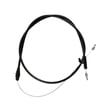
- Wear parts: blades, belts, cables, and wheels wear out and change performance
| When | What to do | Why it helps |
|---|---|---|
| Every mow | Clear grass buildup under deck (after it cools) | Prevents corrosion and drag |
| Every 25 hours | Check oil level, inspect blade | Reduces engine wear |
| Every season | Replace air filter, sharpen or replace blade | Restores power and cut quality |
| End of season | Stabilize fuel or drain system, clean deck | Prevents hard starting next season |
If your mower is running rough, losing power, or using more fuel, these are high-impact maintenance items:
- Replace the air filter 593260 to protect the engine from dirt ingestion.
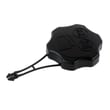
- Replace a damaged or loose fuel cap (venting issues can mimic fuel starvation) with the fuel cap 84004416.
A mower near the end of its typical lifespan often costs more in downtime and repeated small repairs (hard starting, poor cut, slipping drive) than a few targeted maintenance parts. Keeping filtration and fuel systems healthy is the fastest way to preserve engine compression and power.
Last updated: January 2026
What is the best gas mower under $300?
For most homeowners shopping under $300, the best gas walk-behind mower is the one that matches your yard size and is easy to keep running: look for a 21-inch deck, a reliable OHV engine (typically 140 to 170 cc), and simple maintenance items you can replace quickly, such as an air filter and blade.
- Deck size: 21-inch decks are the most common value sweet spot for small to mid-size lawns.
- Engine type: OHV engines are common in this price range and are easy to service.
- Drive style: Push mowers cost less; self-propelled adds convenience but can raise price.
- Cut options: Mulch and bag capability helps you adapt to season and grass height.
- Parts support: Choose a mower with readily available wear parts (filter, blade, belt, cables).
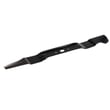
If you already own an MTD gas lawn mower model 12AVB2R3791, you can often get “best mower” performance by restoring cut quality and airflow. Start with the basics: replace the air filter, sharpen or replace the blade, and confirm the bagging and discharge components are intact.
Common tune-up parts for this model include:
| Priority | What to choose | Why it helps |
|---|---|---|
| Cut quality | 21-inch deck + sharp blade | Cleaner cut, fewer clumps |
| Reliability | Simple OHV engine + clean filter | Easier starting, steadier power |
| Ownership cost | Easy-to-find wear parts | Faster repairs, less downtime |
In the under-$300 range, long-term satisfaction comes less from “top speed” features and more from consistent starting, strong airflow for bagging/mulching, and affordable maintenance parts. Keeping your mower maintained often beats replacing it.
Last updated: January 2026