
How much does an AC unit cost for 900 square feet?
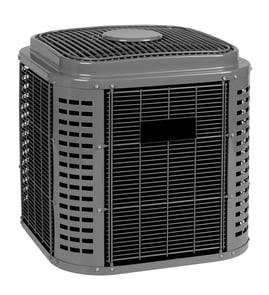
For about 900 square feet, most homes land in the 1.5-ton central AC range; the equipment-only price is typically about $2,500 to $4,500, with total installed cost often higher depending on ductwork, electrical, and refrigerant-line needs. For York model H1DB024S06A, sizing still depends on a proper load calculation.
Typical size and price range for ~900 sq ft
Most 900 sq ft homes are commonly matched with 1.5 tons (18,000 BTU/hr), but insulation, windows, ceiling height, and climate can push you up or down.
- 1.5 ton: common for 750 to 900 sq ft
- 2 ton: sometimes needed for hot climates, poor insulation, or lots of sun exposure
- Bigger is not better: oversizing can cause short cycling and poor humidity control
- Undersizing: can run constantly and still not keep up
| Nominal size | Typical coverage (sq ft) | Typical equipment cost (unit only) |
|---|---|---|
| 1.5 ton | 750 to 900 | $2,500 to $4,500 |
| 2 ton | 1,000 to 1,200 | $3,100 to $5,100 |
| 3 ton | 1,500 to 1,800 | $3,400 to $5,400 |
| 4 ton | 2,000 to 2,400 | $4,200 to $6,200 |
What changes the installed price the most
Installed cost varies widely because the “AC unit” is only part of the job.
- Ductwork repairs or resizing
- Electrical upgrades (disconnect, breaker, wiring)
- Refrigerant line set replacement or flushing
- Condensate drain routing and safety switch
- Permits, labor rates, and accessibility of the outdoor condenser
- Efficiency level (SEER2 rating) and matching indoor coil/air handler
Why it matters
Correct sizing protects comfort and operating cost. A properly sized system removes humidity, runs longer steady cycles, and reduces wear on the compressor and capacitor.
Helpful DIY reading before you shop
If you are comparing options or planning a repair, start with how to find your appliance model number (and what it means for parts) so you match parts and service information to York H1DB024S06A.
Last updated: February 2026
Is 2-ton AC enough for a 1000 sq ft house?
A 2-ton central AC can be the right size for a 1,000 sq ft house when insulation, windows, ceiling height, and sun exposure are average. For a York split-system cooling setup like model H1DB024S06A, correct sizing matters as much as the equipment condition and airflow.
Quick sizing rule of thumb (what 2 tons usually covers)
Most homes land in a broad range because heat gain varies a lot.
- Typical coverage: about 900 to 1,200 sq ft
- Hot climates, lots of sun, poor insulation: closer to 700 to 1,000 sq ft
- Mild climates, good insulation, shaded windows: closer to 1,000 to 1,300 sq ft
What to check before deciding 2 tons is “enough”
These factors often change the answer more than square footage alone:
- Ceiling height: vaulted ceilings increase cooling load
- Insulation level: attic and wall insulation quality
- Windows: size, number, and whether they are double-pane/low-E
- Sun exposure: west-facing glass and little shade raise load
- Air leakage: drafts, unsealed attic penetrations, leaky ductwork
- Duct sizing and airflow: undersized returns or restrictive filters reduce delivered cooling
Symptoms of an oversized vs undersized AC
Sizing affects comfort, humidity, and operating cost.
| If the AC is… | You’ll often notice… | Why it matters |
|---|---|---|
| Undersized | Runs constantly, struggles on hot afternoons | Higher wear, uneven comfort |
| Oversized | Short cycles, clammy indoor air, temperature swings | Poor dehumidification, less comfort |
Why it matters for a central air conditioner
A properly sized system removes both heat and humidity steadily. When the tonnage is off, you can get higher energy use, more cycling, and comfort complaints even if the York outdoor unit and indoor coil are working correctly.
Helpful next step
For the most accurate answer, we recommend a Manual J load calculation (many HVAC pros use it) and a quick duct evaluation. If you are also shopping for replacement components, you can search by model number H1DB024S06A on Sears PartsDirect.
Last updated: February 2026
What is the most common part to fail on an AC unit?
On a York H1DB024S06A central air conditioner, the most common part to fail is the run capacitor (and sometimes the start capacitor, if used). A weak or failed capacitor often shows up as a condenser fan or compressor that hums, struggles to start, or shuts off on overload.
Most common failures we see (and what they affect)
- Run capacitor: Helps start and keep the compressor and condenser fan motor running
- Contactor: Switches high voltage to the outdoor unit; pitted contacts can cause no-start issues
- Condenser fan motor: Can overheat or seize; may trip the breaker or cause poor cooling
- Compressor: Less common than capacitors/contactor, but a major failure when it happens
- Low-voltage control wiring: Loose, corroded, or damaged wires can stop the unit from running
Quick symptom-to-part guide
| Symptom | Most likely culprit | What you typically notice |
|---|---|---|
| Outdoor unit hums but fan does not spin | Run capacitor | Fan may start if pushed (do not try by hand) |
| Outdoor unit will not run at all | Contactor or capacitor | Thermostat calls for cooling but nothing happens outside |
| Fan runs but little or no cooling | Capacitor, compressor, or refrigerant issue | Warm air indoors, long run times |
| Starts then shuts off | Capacitor or motor overheating | Short cycling, hot motor housing |
Why capacitors fail so often
Capacitors are wear items. Heat, electrical surges, and long run times gradually reduce capacitance until the compressor or fan motor cannot start reliably.
Safe, practical next steps
- Turn off power at the disconnect and breaker before opening any panels
- Look for obvious signs: bulged capacitor top, oil residue, burnt wiring, or a chattering contactor
- If you have a multimeter, test components before replacing them; our guide on how to use a multimeter to test electrical parts video helps
- Match replacement parts by exact ratings (microfarads and voltage for capacitors; coil voltage and amperage for contactors)
- If you are unsure around high voltage or the unit trips breakers, schedule service
Last updated: February 2026