Owner’s manual
 Error Codes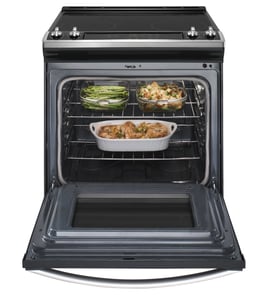



How wide is a 6.3 cubic foot stove?
Most 6.3 cubic foot electric ranges are about 30 inches wide (a standard freestanding range width). For your Samsung NE63B8211SS, confirm the exact cabinet cutout and overall width in the NE63B8211SS manual before ordering trim kits or planning installation.
Typical width you should plan for
A 6.3 cu. ft. oven capacity does not set the width by itself; most brands (including Samsung) build this size range in the standard 30-inch class.
- Typical overall width: about 29 7/8 in. to 30 in.
- Typical opening needed between cabinets: 30 in.
- Depth and height vary by design (handle style, leveling legs, rear clearance)
- Always verify clearances for the door swing and ventilation
Quick sizing guide (what “6.3 cu. ft.” usually maps to)
| Oven capacity class | Most common range width | What it fits |
|---|---|---|
| 5.0 to 5.3 cu. ft. | 30 in. | Standard cabinet run |
| 6.0 to 6.4 cu. ft. | 30 in. | Standard cabinet run |
| 6.9 to 7.1 cu. ft. | 30 in. | Standard cabinet run (often taller cavity) |
How to confirm the exact width for NE63B8211SS
Use the specification and installation section in the NE63B8211SS manual, then double-check with a tape measure across the widest points.
- Measure the range body at the cooktop edge (widest point)
- Include the handle projection when checking aisle clearance
- Check the leveling legs are adjusted so the unit sits square
- Verify the cabinet opening is truly 30 inches and plumb
Why it matters
Width drives whether the range slides in cleanly, whether the cooktop overhang rubs cabinets, and whether the oven door and storage drawer open without interference. Getting the width right also prevents cosmetic gaps and alignment issues.
Last updated: February 2026
Is the NE63B8211SS oven self-cleaning?
Yes. The Samsung NE63B8211SS electric range has a self-cleaning oven that uses very high heat to burn off grease and residue into ash you can wipe out after the cycle. For cycle details, see the NE63B8211SS owner's manual.
How self-clean works on this range
During Self Clean, the oven heats well above normal cooking temperatures to remove baked-on soils.
- Remove racks, utensils, and any food before starting the cycle
- Wipe up heavy spillovers first to reduce smoke
- Keep children away; exterior surfaces get very hot during the cycle
- Avoid commercial oven cleaners unless certified for self-cleaning ovens
- Let the oven cool before trying to open the door after the cycle
Quick checks if Self Clean will not start
If your NE63B8211SS will not begin a self-clean cycle, these are the most common causes.
| What you notice | What to check | What to do |
|---|---|---|
| Self Clean will not start | Oven is still hot | Let the range cool, then try again |
| Self Clean will not start | Controls set incorrectly | Re-enter the Self Clean settings in the manual |
| Self Clean will not start | Oven lock is on or a cooktop element is on | Turn off surface elements and deactivate oven lock |
| Heavy smoke during cycle | Excessive soil/grease | Cancel, ventilate the room, wipe soil, restart |
Why it matters
Using Self Clean correctly helps protect the door gasket seal, reduces smoke, and prevents discoloration of racks. It also helps you avoid unnecessary service calls related to door lock behavior and control settings.
Last updated: February 2026
What is the capacity of the NE63B8211SS oven?
The Samsung NE63B8211SS electric range has a 6.3 cu. ft. oven capacity, which gives you enough space to cook multiple dishes at once or handle larger items like roasts and big casserole pans. For feature details and operating tips, use the NE63B8211SS user manual.
How that capacity helps in everyday cooking
A 6.3 cu. ft. oven is considered a large-capacity freestanding range oven. It typically supports:
- Multiple racks in use at the same time for batch baking
- Large sheet pans and wider casserole dishes
- Better spacing between dishes for more even heat circulation
- More flexibility when using Bake, Broil, Keep Warm, and self-clean cycles
Quick reference: what you can expect
| Item | What it means for you |
|---|---|
| Oven capacity | 6.3 cu. ft. |
| Typical use case | Multi-rack baking, larger cookware |
| Helpful companion info | Rack positions and cooking modes in the manual |
Tips to get the best results with a full oven
When you load the oven heavily, preheat time and browning can change slightly. We recommend:
- Preheating fully before adding food
- Leaving space around pans so air can circulate
- Using the rack positions recommended in the manual for your food type
- Avoiding foil that blocks airflow (especially near vents)
- Rotating pans partway through baking when cooking on multiple racks
Why it matters
Oven capacity affects what cookware fits, how many dishes you can cook at once, and how evenly heat circulates around food. Knowing the NE63B8211SS capacity helps you plan meals, choose bakeware, and set realistic expectations for multi-rack cooking.
Last updated: February 2026