


How much space will 36,000 BTU cool?
A 36,000 BTU (about 3-ton) system like the Thermal PA36K-1S typically cools about 1,500 to 2,500 square feet. The right size depends most on insulation, ceiling height, sun exposure, duct condition, and your local climate.
Typical coverage ranges (quick guide)
- Mild climates, good insulation: 2,000 to 2,500 sq ft
- Average conditions: 1,700 to 2,100 sq ft
- Hot climates, older or leaky homes: 1,500 to 1,800 sq ft
- High ceilings (9 ft+): reduce coverage by about 10% to 20%
- Large west-facing windows: reduce coverage unless shaded
What changes the answer the most
- Insulation and air leaks: attic insulation, weatherstripping, and duct leaks can swing sizing a lot
- Ceiling height: more air volume needs more capacity
- Sun load: big windows and afternoon sun increase BTU needs
- Ductwork condition: crushed, undersized, or leaky ducts reduce delivered cooling
- Humidity: higher humidity increases the load and can make a “right-sized” unit feel undersized
Sizing rule of thumb table
| Home conditions | Approx. BTU per sq ft | 36,000 BTU estimate |
|---|---|---|
| Efficient, shaded, tight home | 14 to 18 | 2,000 to 2,500 sq ft |
| Typical home | 18 to 21 | 1,700 to 2,000 sq ft |
| Hot, sunny, leaky, or high humidity | 21 to 24 | 1,500 to 1,700 sq ft |
Why it matters
Oversizing can cause short cycling and poor humidity control; undersizing can run constantly and still not hold set temperature. Correct sizing improves comfort, energy use, and compressor life.
Related part note (when cooling performance is inconsistent)
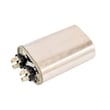
If the outdoor fan or compressor struggles to start, a weak run capacitor is a common cause on many packaged A/C units. For this model, see the capacitor 12908 if you are diagnosing a start or run issue.
Last updated: January 2026
Is zone heating worth it?
Yes; zone heating is worth it when your home has uneven temperatures, unused rooms, or different comfort preferences because it can reduce run time and improve comfort. For a Thermal PA36K-1S single-package air conditioner setup, the value depends on adding the right zoning controls and keeping airflow within safe limits.
When zone heating pays off
- Multi-story homes with hot and cold spots
- Homes with large glass areas, additions, or bonus rooms
- Households that only use certain rooms at predictable times
- Families that argue over thermostat settings
- Homes where ducts already serve distinct areas (easier zoning)
Tradeoffs to plan for
- Higher upfront cost (zone dampers, controls, extra thermostat wiring)
- More components to troubleshoot (dampers, control board, sensors)
- Risk of airflow problems if too many zones close at once
- Some systems need a bypass damper or staged equipment to prevent high static pressure
Quick decision guide
| Your situation | Zone heating value | Why |
|---|---|---|
| One-story, open floor plan | Low to medium | Temperatures are already fairly even |
| Two-story or rooms far from the air handler | High | Zoning targets persistent hot and cold spots |
| Many rarely used rooms | High | You can condition occupied areas more often |
| Ductwork is undersized or already noisy | Medium | Zoning can worsen airflow issues without duct upgrades |
Why it matters
Zoning changes how air moves through the duct system. Done right, it improves comfort and can lower energy use; done wrong, it can increase static pressure, reduce airflow across the coil/heat exchanger, and shorten the life of motors and electrical parts.
If you are troubleshooting a zoned system
- Confirm each zone damper opens and closes correctly
- Check for dirty filters and blocked returns (common airflow killers)
- Verify the blower runs when a zone calls
- Inspect electrical connections for heat damage
- If the outdoor fan or compressor struggles to start, test the run capacitor and replace it if weak using the correct match for your unit, such as the capacitor 12908
For electrical testing, we use a meter and follow safe practices like those covered in how to use a multimeter to test electrical parts video.
Last updated: January 2026
What is a combo heater and AC unit called?
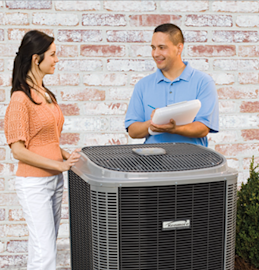
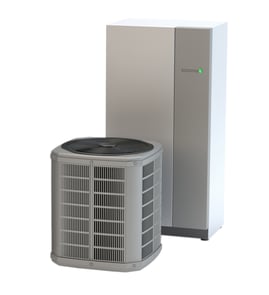
A combo heater and AC unit is commonly called a packaged HVAC unit (also called a single-package unit). For the Thermal PA36K-1S, the heating and cooling components are housed together in one outdoor cabinet, rather than split between an indoor and outdoor unit.
Common names you will hear
- Packaged unit (packaged HVAC system)
- Single-package air conditioner (often paired with electric heat)
- Packaged heat pump (heats and cools using a heat pump)
- Package unit (shortened term used by technicians)
- Rooftop unit (RTU) when installed on a roof in some applications
How a packaged unit differs from a split system
A packaged unit puts most major components in one cabinet. A split system separates the condenser/compressor outdoors and the air handler (and often heat) indoors.
| Feature | Packaged unit | Split system |
|---|---|---|
| Main components location | Mostly in one outdoor cabinet | Split between indoor and outdoor sections |
| Typical install | Ground pad or rooftop | Outdoor condenser plus indoor air handler |
| Common service parts | Capacitor, contactor, fan motor, controls | Similar parts, but split across two cabinets |
Why it matters when ordering parts
The “packaged” design affects what parts you need and where they mount. For example, many no-cool or hard-start complaints trace back to electrical start/run components such as a capacitor 12908.
Quick signs the unit may need service (not just a name)
- Outdoor fan runs but compressor will not start
- Hums, then trips the breaker or shuts off
- Starts slowly or struggles after a power outage
- Cycles on and off rapidly
Safety note
Packaged HVAC units contain high voltage and stored electrical energy in capacitors. We recommend shutting off power at the disconnect and breaker before inspection or testing.
Last updated: January 2026