


What are the disadvantages of a microwave oven combo?
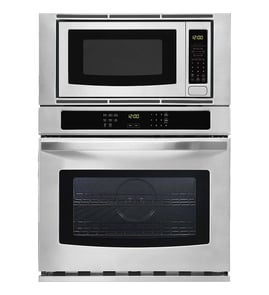
A microwave wall oven combo like Whirlpool model GMC305PDS08 saves space and looks built-in, but the tradeoffs are higher purchase cost, more complicated service when either section fails, and less flexibility than having separate appliances. Ergonomics and capacity can also be limiting depending on your kitchen layout.
- Higher repair complexity: If the microwave or oven has an electrical failure, diagnosis can involve shared wiring, controls, or safety circuits.
- More downtime risk: One problem can take out a key cooking function, and you may lose both conveniences while waiting on service.
- Less flexibility in placement: You cannot relocate the microwave independently to improve reach or workflow.
- Capacity compromises: The microwave cavity and oven configuration are fixed; some households prefer a larger standalone microwave or a second oven.
- Ergonomic issues: The microwave can end up too high (hard to lift hot liquids) or the oven too low (more bending).
Many combo issues are still repairable, but they can require more troubleshooting steps than a countertop microwave or a freestanding range.
| Symptom | Often involves | Example part that may be checked |
|---|---|---|
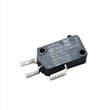
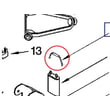
| Microwave will not start | Door safety circuit, switches, fuse | Microwave door interlock switch W10211972 |
| Oven temperature seems off | Sensor feedback to control | Wall oven temperature sensor WPW10131825 |
| Oven overheats or shuts down | High-limit protection, airflow | Range high-limit thermostat WP9759243 |
A combo unit is a great fit when you want a clean built-in look and have limited cabinet space, but it is a bigger commitment: installation is more involved, and service calls can be more technical. Planning for access, ventilation, and safe microwave height helps avoid daily frustration.
Last updated: January 2026
How to reset a whirlpool wall oven?
To reset your Whirlpool GMC305PDS08 wall oven/microwave combo, we recommend doing a full power reset: turn the breaker OFF (or unplug if accessible) for 2 to 5 minutes, then restore power. This clears many control glitches, clock errors, and unresponsive keypad issues.
- Turn the oven OFF at the control panel.
- Switch the circuit breaker OFF (most wall ovens are hardwired).
- Wait 2 to 5 minutes (10 minutes if the control is still acting up).
- Turn the breaker back ON.
- Set the clock, then test Bake and Broil.
A reset will not fix a failed component. These checks help narrow it down:
- Display is blank: check the house breaker, then inspect the power connection area.
- Oven heats wrong or shows temp-related errors: the temperature sensor can be the cause; consider testing or replacing the wall oven temperature sensor WPW10131825.
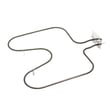
- Broil does not heat but bake works: the broil element may be open; inspect for blisters or breaks and consider the broiler element WP9760771.
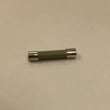
- Unit seems dead or intermittent after a surge: a blown fuse is common; check the fuse (black) WP4375321.
| What you see on GMC305PDS08 | Most likely next step | What we check |
|---|---|---|
| Blank display | Verify power supply | Breaker, wiring, terminal block area |
| Heats too hot/cold | Test sensor circuit | Sensor resistance, harness condition |
| Broil not working | Inspect broil element | Visible damage, continuity |
| Random resets/no power | Check fuse | Continuity, signs of overheating |
A proper power reset clears the electronic control memory and can restore normal operation after a power flicker. If symptoms return quickly, the issue is usually a failing part (sensor, element, fuse, wiring) rather than the control needing repeated resets.
Last updated: January 2026
How long do Whirlpool wall ovens last?
Most Whirlpool wall ovens, including the Whirlpool GMC305PDS08 wall oven/microwave combo, typically last 13 to 15 years with normal household use and basic maintenance (keeping vents clear, avoiding heavy slamming of doors, and fixing heat issues early).
- Heat stress and ventilation: blocked cooling airflow shortens control and wiring life.
- Door and latch wear: repeated slamming can damage hinges, latches, and door alignment.
- Overheating events: a single severe overheat can weaken wiring and safety devices.
- Sensor accuracy: poor temperature sensing can cause long bake times and extra strain.
- Electrical connections: loose terminal connections can cause intermittent power loss.
| Appliance type | Typical lifespan | Notes |
|---|---|---|
| Electric wall oven | 13 to 15 years | Most common expectation for electric heating systems |
| Gas wall oven | 15 to 17 years | Often lasts longer due to simpler heating components |
| Wall oven/microwave combo | 10 to 15 years | Microwave section can be the limiting factor |
- Oven temperature swings or frequent “underbake/overbake” results
- Broil or bake performance dropping (slow preheat, weak broil)
- Repeated shutdowns after heating, especially during long bakes
- Door won’t stay shut, self-clean lock issues, or latch errors
- Microwave section intermittently won’t run or stops when the door is moved
If the oven is heating inconsistently, replacing a failed sensor or heating component often extends usable life.
- Wall oven temperature sensor WPW10131825
- Broiler element WP9760771
- Range high-limit thermostat WP9759243
Knowing the typical lifespan helps you decide whether to repair or replace. If your GMC305PDS08 is under 10 years old, repairs usually make sense; past 13 to 15 years, repeated electrical or heating failures often signal it is time to plan for replacement.
Last updated: January 2026
Is it okay to put a wall oven next to a refrigerator?
It’s usually not a good idea to place a refrigerator directly next to a wall oven like the Whirlpool GMC305PDS08. The oven’s heat can make the refrigerator work harder, reduce cooling performance, and shorten component life; a heat barrier and proper clearance help when the layout forces them to be adjacent.
- Clearance requirements: follow the cabinet cutout and side clearance rules for the oven and the refrigerator.
- Heat protection: use an approved heat shield or insulated filler panel between appliances.
- Ventilation path: confirm the refrigerator can exhaust heat freely (rear/top/side, depending on design).
- Door swing and handles: make sure doors open fully without hitting each other.
- Dedicated electrical circuits: avoid sharing circuits; built-in ovens and refrigerators typically need separate circuits.
- Install a filler strip (even a few inches helps) between the oven cabinet and the refrigerator enclosure.
- Add a non-combustible insulated panel or manufacturer-approved barrier.
- Keep the oven’s cooling airflow unobstructed; do not block trim vents.
- Avoid long high-heat cycles (self-clean, extended broil) during peak refrigerator use.
| Placement | Heat impact on refrigerator | Recommended? |
|---|---|---|
| Refrigerator directly against oven cabinet | High | No |
| Refrigerator with insulated filler panel | Medium | Sometimes |
| Refrigerator separated by base cabinet/pantry | Low | Yes |
A refrigerator removes heat from inside the box and dumps it into the room. If it sits next to a hot wall oven, the fridge has to reject heat into a hotter area, so the compressor runs longer and temperatures can drift.
If the microwave portion stops running after heavy use or a power event, a blown internal fuse is a common failure point. For this model, the correct replacement is the fuse (black) WP4375321.
Last updated: January 2026