 Owner’s manual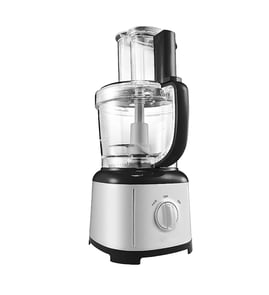






Is 1000W good for a food processor?
Yes. 1000W is more than enough power for a typical home food processor; it handles tough chopping (nuts, hard cheese) and thicker mixes with less stalling. For your KitchenAid KFP0711WH0 7-cup food processor, wattage matters less than using the correct bowl, lid, and blade setup listed in the KFP0711WH0 owner's manual.
What 1000W means in real use
A higher-watt motor generally gives you stronger torque under load, so the processor keeps speed better when ingredients are dense.
- Better performance with hard or dry ingredients (nuts, carrots, chocolate chunks)
- More consistent results when shredding or slicing larger batches
- Less bogging down when mixtures get thick (hummus, nut butter starts)
- More margin before overheating during longer runs
Right-size power for a 7-cup food processor
Most 7-cup machines do not need 1000W for everyday prep; it is simply “extra headroom.” For many kitchens, the limiting factors are bowl capacity and feed tube size, not motor wattage.
| Task | Typical wattage that works well | What you notice at 1000W |
|---|---|---|
| Chop onions, herbs, garlic | 300 to 500W | Faster, less stalling |
| Shred cheese, slice veggies | 500 to 800W | Smoother under heavy feed |
| Grind nuts, hard ingredients | 700 to 1000W | Stronger torque, fewer pauses |
| Heavy dough kneading | 900W+ (if model supports it) | Better load handling (capacity still limits) |
Tips to get the best results (power or not)
These steps improve performance more than chasing wattage:
- Cut food into even pieces before processing to reduce motor strain.
- Do not overfill the bowl; process in batches to keep circulation moving.
- Use the correct disc for the job; for shredding, use the shredder disc WPW10466841.
- Make sure the bowl and lid are fully seated and locked; many units will not run if the lid is misaligned.
- If the unit slows, pulse and scrape down instead of forcing continuous run time.
Why it matters
Wattage is a quick indicator of how well a food processor holds speed under load, but safe, consistent results come from correct assembly, proper batch size, and using the right attachments for your KitchenAid KFP0711WH0.
Last updated: February 2026
What are the disadvantages of a food processor?
A food processor like the KitchenAid KFP0711WH0 saves prep time, but the main disadvantages are counter space, cleanup time, noise, and the risk of over-processing foods into a paste if you do not pulse and watch texture closely. For model-specific use and care tips, follow the KFP0711WH0 owner's manual.
Common disadvantages (what most owners notice)
- Takes up space: Base, bowl, lid, and discs can be bulky to store.
- More cleanup: Multiple parts and tight crevices add washing time.
- Easy to over-process: Short pulses matter for salsa, nuts, and dough.
- Not ideal for very small batches: Ingredients can ride the sides instead of circulating.
- Noisy: High-speed chopping and shredding is louder than hand prep.
- Limited for thin liquids: Soups and smoothies are usually better in a blender.
Where the disadvantages show up most
| Task | What can go wrong | Better approach |
|---|---|---|
| Chopping herbs/onions | Turns watery or mushy fast | Use quick pulses and scrape bowl sides |
| Shredding cheese | Warm cheese smears and clogs | Chill cheese and use short runs |
| Mixing dough | Can overwork dough and heat it | Use brief mixing, stop when combined |
| Slicing/shredding veggies | Food can wedge in the feed area | Cut pieces to fit and feed steadily |
Parts that affect performance and mess
A few wear items can make a processor feel harder to use than it should:
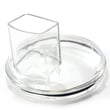
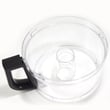
- A cracked or loose lid can increase mess and frustration; replace the food processor bowl lid WPW10467655.
- A worn bowl can leak or fit poorly; replace the food processor bowl WPW10467656.
- A bent or dull disc can shred unevenly; replace the shredder disc WPW10466841.
Why it matters
Most “food processor problems” are really workflow issues: batch size, pulsing technique, and keeping the bowl and lid fitting correctly. When those are dialed in, the KFP0711WH0 is faster and more consistent than hand chopping for many prep jobs.
Last updated: February 2026
What is the life expectancy of a food processor?
Most food processors, including the KitchenAid KFP0711WH0 7-cup food processor, last 7 to 10 years with normal home use; with lighter use and good care, it’s common to get 10+ years. For model-specific care and operating limits, follow the KFP0711WH0 owner's manual.
Typical life expectancy by usage
- Light use (1 to 2 times/week): 10 to 15 years
- Normal use (3 to 5 times/week): 7 to 10 years
- Heavy use (daily, dense doughs, long run times): 3 to 7 years
What shortens a food processor’s life
The motor and drive system wear faster when the machine is overloaded or run too long at once.
- Processing very dense mixtures repeatedly (thick nut butters, heavy doughs)
- Running continuously for long periods without cool-down breaks
- Forcing food through a tight lid or feed area (extra strain on the drive)
- Washing or soaking parts in ways that let water reach the base
- Using the unit with a worn bowl or lid fit (can cause vibration and stress)
Parts that most often drive “replace vs. repair” decisions
If your KFP0711WH0 still runs but won’t operate safely or leaks, replacing a wear part often restores normal use.
| Symptom | Common cause | Part to check for KFP0711WH0 |
|---|---|---|
| Lid won’t lock or unit won’t start | Lid not seating or worn latch area | Food processor bowl lid WPW10467655 |
| Bowl wobble, poor fit, leaking | Bowl wear or damage | Food processor bowl WPW10467656 |
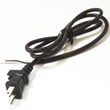
| Intermittent power or no power | Damaged cord or internal break | Food processor 2-prong power cord (black) W10451329 |
Why it matters
A food processor’s “life expectancy” is mostly about motor health and safe operation. Using correct batch sizes, avoiding overloads, and keeping the bowl and lid fitting properly helps prevent premature motor strain and nuisance no-start issues.
Last updated: February 2026
What should you not put in a food processor?
For a KitchenAid KFP0711WH0 7-cup food processor, do not process hot foods, large amounts of thin liquids, extremely hard items (like bones or solid frozen blocks), or very tough, untrimmed meat; these can crack the bowl or lid, dull the shredder disc, or overload the motor. For model-specific use limits and prep guidance, follow the KFP0711WH0 owner's manual.
Foods and items to avoid
- Hot foods or hot liquids: heat and steam can force pressure under the lid and make handling unsafe.
- Thin liquids in large volume (smoothies, soups): food processors are not designed to contain and circulate liquids like a blender.
- Very hard items: bones, fruit pits, hard candy, or ice-heavy loads can damage cutting surfaces.
- Solid frozen blocks: fully frozen meat or vegetables in a single block can stall the blade and strain the drive.
- Tough, large chunks of meat: sinew-heavy pieces can wrap around the blade and overload the motor.
- Overfilled batches: packing the bowl too full reduces circulation and increases strain.
Better options (quick guide)
| Task | Best tool | Food processor-friendly approach |
|---|---|---|
| Smoothies, milkshakes | Blender | If you must use the processor, keep liquid minimal and work in small batches |
| Hot soup/puree | Blender or immersion blender | Cool food first, then process in short pulses |
| Ice crushing | Ice crusher/blender | Use small amounts only if your recipe specifically calls for it |
| Shredding firm cheese/veg | Food processor | Use the correct disc and feed steadily (do not force) |
If your processor struggles, slips, or leaks
These symptoms usually mean the load is too heavy, the bowl or lid is not seated, or a drive/seal component is worn.
- Cut food into 1 to 2 inch pieces and process in smaller batches.
- Pulse first, then run continuously once pieces move freely.
- Stop and scrape down; do not keep running if the motor bogs.
- If you see leaking at the bowl/drive area, inspect and replace the seal W10480166 if it is worn or deformed.
- If attachments are not engaging correctly, check the adapter WPW10467658 for wear.
Why it matters
Avoiding hot foods, excessive liquids, and ultra-hard items helps protect the bowl, bowl lid, and drive system, and it prevents motor overload that can shorten the life of your KitchenAid KFP0711WH0.
Last updated: February 2026