Error Codes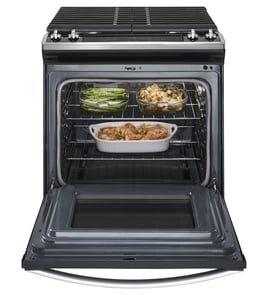



Does KitchenAid make gas ranges?
Yes. KitchenAid makes gas ranges, including commercial-style models like the KitchenAid KFGC506JSS01 36-inch gas range. If you already own this model, we can help you identify the correct replacement parts and common service items for burners, ignition, and oven heating.
What this means for your KitchenAid KFGC506JSS01
KitchenAid gas ranges use a mix of gas components (burners, valves, regulator) and electrical ignition/control parts (electrodes, wiring, controls). When a burner will not light or the oven will not heat, the fix is often a service part rather than the whole range.
Common parts customers replace include:
- Ignition components such as the electrode, bake W11355922 and electrode, broil W11355920
- Gas control components such as the pressure regulator
- Wear items such as oven light bulbs and small fasteners
Quick checks before ordering parts
These steps help confirm whether you are dealing with a gas supply issue, an ignition issue, or a heating issue:
- Verify the gas shutoff valve is fully open and other gas appliances work
- Confirm the range has power (spark ignition and controls need electricity)
- Listen for clicking/sparking at the burner; no spark often points to an ignition or wiring problem
- If the oven will not ignite, watch for glow/spark and listen for the gas valve opening
- If you smell gas without ignition, stop and have the range checked by a qualified technician
Symptom-to-part starting points
| Symptom | Most likely area | Example part on this model |
|---|---|---|
| Oven will not ignite (bake) | Bake ignition circuit | Electrode/igniter area |
| Oven will not ignite (broil) | Broil ignition circuit | Electrode/igniter area |
| Weak/erratic flames | Gas pressure/supply | Pressure regulator |
| Oven light out | Lighting | Oven light bulb |
Why it matters
Knowing KitchenAid makes gas ranges is helpful, but matching parts to the exact model number matters more. KFGC506JSS01 uses model-specific components, so using the correct part ID helps ensure proper fit, safe ignition, and stable oven temperatures.
Last updated: February 2026
Does KitchenAid replace broken parts?
KitchenAid replaces broken parts when the failure is covered under the product warranty; otherwise, replacement parts are purchased. For your KitchenAid gas range model KFGC506JSS01, we help you identify the correct part and get the right replacement ordered.
What to do first
- Find the model and serial tag on the range (often on the oven frame behind the door or on a side trim).
- Check whether the issue is a part failure (for example, no ignition, weak flame, door won’t lock) versus installation or gas supply.
- If the range is under warranty, check your warranty documentation and contact Sears PartsDirect support for next steps.
- If it’s out of warranty, match the failed component to an exact replacement part for KFGC506JSS01.
- For safe troubleshooting, shut off power at the breaker before inspecting wiring or controls.
Common “broken part” examples on this model
These are frequent replacement categories for a commercial-style gas range:
| Symptom | Often involved part | Example part for KFGC506JSS01 |
|---|---|---|
| Oven won’t ignite or takes too long to light | Bake igniter/electrode | Electrode, bake W11355922 |
| Broil won’t ignite | Broil igniter/electrode | Electrode, broil W11355920 |
| Oven light out | Oven light bulb | Wall oven light bulb WPW10169757 |
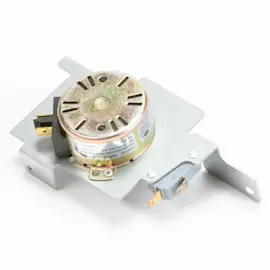
| Self-clean door won’t lock/unlock | Door latch motor | Motorized latch W11029221 |
Why it matters
Warranty coverage can save you the cost of parts and service, but even out of warranty, using the exact KitchenAid replacement part for KFGC506JSS01 helps restore safe ignition, accurate temperature control, and proper door operation.
Helpful DIY guidance
If you’re diagnosing an electrical issue (like an igniter circuit or latch motor), our general guides help you test safely:
- How to use a multimeter to test electrical parts video
- How to tell if a fuse is blown
- Must have tools for appliance repair
Last updated: March 2026
How long do KitchenAid gas ranges last?
KitchenAid gas ranges like model KFGC506JSS01 typically last 13 to 15 years with normal household use. Consistent cleaning, proper burner flame, and prompt repair of wear items (like igniters and latches) help you reach the high end of that range.
Typical lifespan and what affects it
- Cooking frequency: daily heavy use shortens lifespan compared to occasional use.
- Heat and grease exposure: spills and baked-on grease accelerate corrosion and wiring damage.
- Gas quality and pressure: incorrect pressure can cause poor combustion and extra stress on components.
- Ventilation habits: good airflow reduces heat buildup around controls and wiring.
- Maintenance and repairs: replacing small parts early prevents bigger failures.
What usually fails first on a gas range
Most “end of life” calls are really a few common parts wearing out. On KFGC506JSS01, these are frequent suspects:
- Oven ignition components (weak spark or delayed ignition), including the electrode, bake W11355922
- Broil ignition components, including the electrode, broil W11355920
- Door lock and self-clean related issues, including the motorized latch W11029221
- Oven light failures (bulb or socket issues), including the wall oven light bulb WPW10169757
Quick care checklist to extend life
- Wipe spills after cooking; keep burner ports clear.
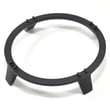
- Keep grates seated correctly; replace worn pads such as range surface burner grate pad W11550692 to prevent scratching and wobble.
- Avoid slamming the oven door; it stresses hinges and the outer door assembly.
- Use the right cookware size to reduce excess heat on the console.
- If ignition is slow, address it early to prevent soot and overheating.
Lifespan at a glance
| Use pattern | Typical lifespan | What to watch |
|---|---|---|
| Light (few times/week) | 15 years | cosmetics, knobs, grates |
| Average (most days) | 13 to 15 years | igniters, electrodes, thermostat |
| Heavy (multiple meals/day) | 10 to 13 years | burners, wiring, controls |
Why it matters
Knowing the 13 to 15 year lifespan helps you decide whether to repair or replace. If your KFGC506JSS01 is under about 10 years old, repairs like replacing an electrode or latch are usually practical; past the mid-teens, multiple failures can add up quickly.
Last updated: February 2026
What are signs of a faulty gas stove part?
On the KitchenAid KFGC506JSS01 gas range, a faulty part usually shows up as ignition trouble, uneven flames, temperature problems, or abnormal noises. If you notice repeated clicking, weak or yellow flames, or the oven not heating correctly, stop using the affected burner/oven mode and troubleshoot the likely component.
Common signs (what you will notice)
- Burner keeps clicking after the flame is lit (or clicks but won’t light)
- Flames are yellow, lifting, noisy, or uneven instead of steady blue
- Burner heats slowly, won’t stay lit, or goes out when you turn the knob down
- Oven bake or broil takes much longer than normal, or won’t reach set temperature
- You smell gas when the burners are off (treat this as urgent)
- Control behavior seems abnormal (intermittent operation, inconsistent response)
What the symptom usually points to
| Symptom | Most likely area | Example model-matched part to check |
|---|---|---|
| Clicking won’t stop, burner won’t ignite reliably | Ignition electrode or wiring | Electrode, bake W11355922 (for bake ignition issues) |
| Broil won’t light or lights inconsistently | Broil ignition circuit/burner | Electrode, broil W11355920 or broiler burner W11661180 |
| Oven temperature swings or won’t regulate | Temperature sensing/control | Oven thermostat WP4450249 |
Safe first checks we recommend
- Turn the burner off; let everything cool completely.
- Remove grates and caps; clean and dry the burner head ports and the area around the igniter.
- Look for cracks in the ceramic igniter tip and signs of arcing.
- Verify the burner cap is seated correctly and not warped.
- If the issue is in the oven, watch through the openings (without disassembly) for consistent ignition.
- If you smell gas with burners off, shut off the gas supply valve and have the range inspected.
Why it matters
Ignition and flame-quality problems can lead to poor cooking results, soot buildup, and unsafe operation. Catching a failing electrode, burner, or thermostat early helps prevent repeated misfires and overheating.
Last updated: February 2026
Where to find model number on KitchenAid gas range?
On the KitchenAid gas range model KFGC506JSS01, the model number is printed on the appliance’s rating label, typically found around the oven door frame area. We recommend locating and writing down the full model number before ordering parts so you get an exact match.
Most common places to check
Look in these spots first (in order):
- Oven door frame: open the oven door and check the frame around the opening
- Front frame near the storage/warming drawer: open the lower drawer and look along the frame
- Side trim just inside the door opening: check left and right edges of the front frame
- Behind the control panel area: less common, but possible on some commercial-style ranges
What the label looks like (and what to copy)
The rating label usually includes several identifiers. Copy these exactly:
| Label item | What it’s used for | Example format |
|---|---|---|
| Model number | Correct part fit | KFGC506JSS01 |
| Serial number | Production details | Letters and numbers |
| Gas type info | Setup verification | NG or LP |
Why it matters
KitchenAid ranges often have multiple versions that look similar. Using the exact model number (including the last digits) helps ensure parts like an oven light bulb, igniter electrode, or door hardware match your specific KFGC506JSS01 configuration.
If the label is hard to read
- Wipe gently with a damp cloth and mild dish soap; dry completely
- Use your phone camera and zoom in for clearer text
- Avoid abrasive pads or stainless cleaners on the label
- If you only need a common replacement while you locate the label, start with a safe, non-invasive item like the wall oven light bulb WPW10169757
Last updated: February 2026
Why is my KitchenAid range display not working?
If the display on your KitchenAid gas range model KFGC506JSS01 is blank or unresponsive, the most common causes are a power supply problem (tripped breaker, loose cord, bad outlet), a failed control panel component, or a wiring connection issue behind the console. Start with power checks, then inspect connections before replacing parts.
Quick checks (fastest fixes first)
- Confirm the range has power: check the house breaker and that the outlet is working.
- If the range is plugged in, unplug it for 2 to 5 minutes, then plug it back in to reset the control.
- Make sure the display is not in a locked mode (control lock can make the panel seem “dead”).
- Look for signs of moisture or cleaner overspray around the console; moisture can disrupt the touch interface.
- If only some keys respond, the touch interface may be failing even if the oven still heats.
What to inspect if power is good
Turn off power at the breaker before opening the console.
- Check for loose harness plugs at the control and display area.
- Look for pinched or heat-damaged wiring near the oven vent path.
- If the display flickers or comes on intermittently, a connection or internal control issue is likely.
Helpful DIY reference
If you plan to test voltage or continuity, use our how to use a multimeter to test electrical parts video to follow safe, basic meter practices.
Parts that commonly relate to a dead or erratic display
Depending on the symptom, these model-listed parts can be involved:
| Symptom | What it often points to | Example part to consider |
|---|---|---|
| Completely blank display, no response | Power issue, wiring, or control module problem | Cntrl-powerm W11394663 |
| Display works but oven won’t start self-clean or acts “stuck” | Door lock circuit issue affecting control behavior | Motorized latch W11029221 |
| Random resets or intermittent operation | Loose connection, failing control, or harness issue | (inspect harness connections first) |
Why it matters
A non-working display is more than an inconvenience; it can prevent safe operation of bake/broil settings and can hide error conditions. Verifying power and connections first helps avoid replacing expensive electronic parts unnecessarily.
Last updated: February 2026
Why is the igniter not working on my KitchenAid gas stove?
On the KitchenAid KFGC506JSS01 gas range, an igniter that will not spark or light is usually caused by a dirty burner area, a weak/failed electrode, or a wiring/ground issue. Start with cleaning and a quick visual inspection; then test ignition parts and replace the failed component.
Quick checks we recommend first
- Turn the burner knob to LITE and listen for rapid clicking; no clicking often points to a control or power issue.
- Remove the grate and burner cap; clean food spills and grease from the cap ports and around the electrode tip.
- Dry everything completely; moisture can stop sparking.
- Reseat the burner cap so it sits flat and centered.
- Check that the electrode ceramic is not cracked and the metal tip is not bent away from the burner.
What the symptoms usually mean
| What you see | Most common cause | What to do next |
|---|---|---|
| No clicking on any burner | Power, control, or harness issue | Check outlet/breaker; inspect wiring connections |
| Clicking but no spark at the burner | Dirty/wet electrode area or cracked electrode | Clean/dry; replace the electrode if damaged |
| Spark present but burner will not light | Gas flow issue or clogged burner ports | Clean ports; verify gas supply valve is open |
| One oven function will not ignite | Failed oven electrode/ignition circuit | Inspect and replace the correct electrode |
Parts that commonly fix ignition problems
If the problem is in the oven ignition (bake or broil), these model-matched parts are common fixes:
- Electrode, bake W11355922 (bake ignition electrode)
- Electrode, broil W11355920 (broil ignition electrode)
Why it matters
A weak spark or delayed ignition can cause longer lighting times and uneven heating. Cleaning the burner area restores proper spark path; replacing a cracked electrode restores reliable ignition and helps prevent repeated misfires.
Safety notes
- Shut off power at the breaker before inspecting wiring.
- If you smell gas, stop and ventilate the area; do not continue troubleshooting until the odor is gone.
Last updated: February 2026