 Owner’s manual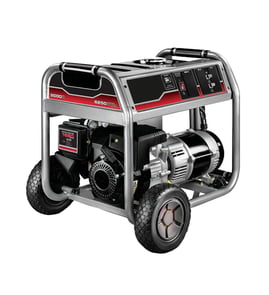

What are the most common issues with SP-GG750E?
The most common problems we see with the Steele SP-GG750E generator are no-start or hard-start conditions, low or no AC output, and engine surging under load. These issues usually trace to fuel quality, airflow, ignition, or basic electrical protection devices like breakers and fuses; use the SP-GG750E owner's manual for model-specific checks and specs.
- Won’t start / hard to start: stale fuel, clogged carburetor jets, dirty air filter, fouled spark plug, low oil level (oil-alert shutdown)
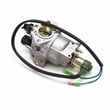
- Starts then dies: fuel cap venting issue, restricted fuel flow, choke not opening, dirty carburetor
- Surging or hunting: partially clogged carburetor, air leak, governor linkage sticking, load too light or cycling
- No AC power at outlets: tripped circuit breaker, blown fuse, bad receptacle, loose wiring, failed AVR (if equipped)
- Low voltage / fluctuating power: overloaded generator, poor engine speed control, wiring connection problems
- Fuel: drain old fuel; refill with fresh gasoline; open the fuel valve.
- Oil level: verify oil is at the correct level; many generators will not run when oil is low.
- Air and spark: inspect/replace the air filter; check the spark plug condition and gap.
- Reset protection: reset any breakers; check for a blown fuse.
- Load test: unplug everything; start the generator; then add one known-good load at a time.
If the engine runs but you have no output, a multimeter helps you confirm where power stops.
| What you’re checking | What it tells you | Tool |
|---|---|---|
| Outlet voltage | Whether AC is present at receptacles | Multimeter |
| Continuity through fuse | Whether the fuse is open | Multimeter |
| Breaker reset function | Whether protection is tripping immediately | Visual/manual |
For step-by-step meter use, follow how to use a multimeter to test electrical parts video. For fuse basics, use how to tell if a fuse is blown.
A generator that surges, won’t start, or produces unstable voltage can damage connected equipment and can overheat internal components. Addressing fuel, airflow, and basic electrical protection first fixes the majority of SP-GG750E complaints.
Last updated: March 2026
What is the 20 20 20 rule for generators?
The 20-20-20 rule is a simple generator safety reminder: keep your Steele SP-GG750E generator at least 20 feet from doors, windows, and vents; let it cool about 20 minutes before refueling; and use a CO alarm (often around $20) to help detect carbon monoxide.
- 20 feet away: Run the generator outdoors, well away from openings and never in a garage, shed, or enclosed area.
- 20-minute cooldown: Shut the engine off and wait before adding fuel; hot engine parts can ignite gasoline vapors.
- $20 CO alarm: Use a battery-powered carbon monoxide alarm in the home and test it regularly.
- Keep cords in good shape: Replace damaged power cords right away to reduce shock risk.
- Use outdoor-rated extension cords: Use cords marked for outdoor use to reduce electric shock risk.
Before each use, we recommend:
- Check for loose screws and damaged wiring
- Confirm oil level and fuel level are adequate
- Clear debris from the unit (soft brush, rag, or vacuum)
- Keep the engine power switch in the OFF position before inspections
- Disconnect the spark plug wire and let the unit cool before maintenance
| Step | What to do | Why it matters |
|---|---|---|
| Shut down | Turn the generator off | Stops ignition sources before fueling |
| Cool down | Wait about 20 minutes (or until cool to the touch) | Reduces fire risk from hot surfaces |
| Refuel | Add unleaded gasoline carefully | Helps prevent spills and vapor ignition |
Portable generators can create two major hazards during outages: carbon monoxide exposure and fire/electrical shock. The 20-20-20 rule keeps the generator’s exhaust away from the home and reduces the chance of fueling a hot engine. For model-specific operating and safety details, follow the SP-GG750E owner's manual.
Last updated: February 2026
What will a 7500-watt generator run in a house?
A 7,500-watt generator can run many essential household circuits at the same time (refrigerator, lights, TV, router, and a sump pump), but you must manage high-surge loads like well pumps and larger air conditioners so you do not exceed the generator’s running and starting watt limits. For model-specific operating and safety details, use the owner's manual.
A 7,500-watt portable generator is usually best for “essentials” power, not whole-home, all-at-once power.
- Refrigerator or freezer (cycles on and off)
- Lighting circuits (LEDs use far less power than incandescent)
- TV, modem/router, phone chargers
- Microwave or coffee maker (one at a time is usually smarter)
- Sump pump (watch starting surge)
- Gas furnace or boiler blower (if wired correctly to a transfer switch)
Many motors need extra power for a few seconds to start. If multiple motor loads start together, the generator can bog down or trip its breaker.
| Load type | Examples | What to plan for |
|---|---|---|
| Mostly resistive | toaster, space heater, electric kettle | close to nameplate watts while running |
| Motor with surge | fridge, sump pump, well pump | 2x to 3x running watts for a short start-up surge |
| Sensitive electronics | TVs, computers, some chargers | use a quality surge protector; consider a line conditioner if recommended |
We follow the Steele SP-GG750E guidance: operate generators outdoors only, far from doors, windows, and vents, and use a battery-powered or battery-backup CO alarm in the home. Never run a generator in a garage or any partly enclosed area.
- Place the generator outdoors on a stable, dry surface
- Keep exhaust pointed away from the home
- Use heavy-duty outdoor-rated cords sized for the load
- Do not backfeed a home panel; use a properly installed transfer switch/interlock
- Confirm the generator’s voltage and amperage capacity match the loads you plan to power
Correct load planning prevents nuisance breaker trips, protects appliances from low-voltage damage during overload, and reduces safety risks when powering a home during an outage.
Last updated: February 2026