Owner’s manual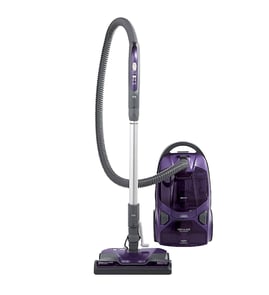

Who makes Kenmore canister vacuum cleaners?
Kenmore canister vacuum cleaners are made by licensed manufacturers; for the Kenmore BC4026, the Use & Care Guide states the Kenmore name is used under license by Cleva North America, Inc., which also handles warranty service for this model.
What that means for Kenmore BC4026 owners
Kenmore is a brand name; the company that builds and supports a specific vacuum can vary by model and production era. For the BC4026, Cleva North America, Inc. is the licensed company tied to the product documentation and warranty support.
- Use the model number BC4026 when ordering parts or requesting service
- Keep your proof of sale for warranty coverage
- Use the vacuum help line listed in the documentation for product support
- Follow the maintenance schedule in the manual to protect suction and airflow
- Replace consumables (bags, filters, belts) as they wear to prevent overheating and clogs
Quick reference (Kenmore BC4026)
| Item | What to use | Why it matters |
|---|---|---|
| Brand on the vacuum | Kenmore | Identifies the product line |
| Model number | BC4026 | Ensures correct parts and instructions |
| Licensed manufacturer/support | Cleva North America, Inc. | Warranty and service contact for this model |
| Primary documentation | BC4026 owner’s manual | Assembly, operation, care, troubleshooting |
Why it matters
Knowing who supports the model helps you get the right parts, the right troubleshooting steps, and the correct warranty path. It also reduces mismatches when you are comparing bags, filters, hoses, or PowerMate-related maintenance procedures.
Last updated: February 2026
Where to find model number on Kenmore canister vacuum?
On the Kenmore BC4026 canister vacuum, the model number is printed on the Model and Serial Number Plate on the vacuum. We recommend writing down both the model and serial number before ordering parts or calling for help; they are used to match the correct diagrams and components.
Where to look on the vacuum
Check these common locations for the Model and Serial Number Plate:
- On the canister body near the rear wheels or base
- On the underside (bottom) of the canister
- Near the cord rewind area or power cord exit point
- Behind the bag door or on the bag compartment frame
- Near the hose connection port on the canister
What to record (and why)
When you find the plate, record the information exactly as shown.
- Model number (for this unit: BC4026)
- Serial number (unique to your vacuum)
- Date of purchase (helpful for service and reference)
Quick reference
| Item | What it’s used for | When you’ll need it |
|---|---|---|
| Model number (BC4026) | Matching the correct Kenmore canister vacuum parts list | Ordering parts, looking up diagrams |
| Serial number | Identifying your specific production unit | Service calls, warranty questions |
Why it matters
Kenmore canister vacuums often have similar-looking housings and attachments (hose assembly, telescoping wand, PowerMate, filters, bags). Using the exact model and serial number prevents ordering the wrong part and helps troubleshooting go faster.
For the official model identification guidance and record fields, use the BC4026 owner’s manual.
Last updated: February 2026
What vacuum bags fit a Kenmore canister vacuum?
For the Kenmore BC4026 canister vacuum, the correct bag is the Kenmore Type C/Q style disposable dust bag. Using the right bag style helps maintain airflow, keeps the check-bag indicator from coming on unnecessarily, and protects the motor from overheating.
How to confirm the bag type for BC4026
The most reliable way to match bags is to confirm the bag style listed for your exact model and then match that style on the bag packaging.
- Check the bag compartment door area for a bag-style label (often shows “Type C/Q”)
- Verify the model number on the rating plate is BC4026
- Match the bag style first (Type C/Q), then choose standard or HEPA versions
- Replace the bag when suction drops or the bag looks full
- Make sure the bag collar seats fully on the bag holder to prevent leaks
For model-specific operating and care details, use the BC4026 owner’s manual.
Bag styles: what fits and what does not
| Bag style | Fits Kenmore BC4026 canister vacuum? | Notes |
|---|---|---|
| Type C/Q | Yes | Correct canister bag style for this model family |
| Type O | No | Commonly used on some Kenmore uprights, not BC4026 |
Why it matters
Your BC4026 relies on steady airflow through the dust bag and filters. When airflow is restricted (full bag, clog, or dirty filter), the vacuum can trigger the check-bag indicator and may overheat. This model also uses a thermal protector that can shut the motor off until it cools (about 50 minutes) if airflow is blocked. Refer to the BC4026 owner’s manual for the thermal protector and check-bag indicator details.
Last updated: February 2026
What is the best canister vacuum cleaner on the market?
The “best” canister vacuum depends on your floors, allergies, and how you clean; for many homes, a bagged canister with strong sealed filtration and the right floor tools is the top performer. If you already own the Kenmore BC4026, keeping airflow open and filters clean delivers the best real-world results.
How we recommend choosing the best canister vacuum
- Flooring mix: powered nozzle (carpet) vs. straight suction floor brush (hard floors)
- Filtration needs: sealed system and HEPA-style exhaust filtration for allergy control
- Bagged vs. bagless: bagged is typically cleaner to empty and maintains airflow better when maintained
- Attachments: crevice tool, dusting brush, and a pet tool for upholstery and stairs
- Handling: hose reach, wand comfort, and canister stability on stairs
Where the Kenmore BC4026 fits in
Your Kenmore BC4026 is designed as a full-size canister system with a PowerMate and pet tool in the standard packing list, plus suction control at the handle for different surfaces. For model-specific operation, settings, and care steps, use the BC4026 use and care guide.
Quick comparison: what “best” means by priority
| If you care most about… | Look for… | Why it helps |
|---|---|---|
| Deep carpet cleaning | Powered nozzle + strong airflow | Lifts embedded debris more effectively |
| Allergies | Bagged + high-efficiency exhaust filtration | Reduces dust exposure during disposal |
| Pet hair | Pet tool + brushroll maintenance access | Improves pickup on upholstery and stairs |
| Hard floors | Dedicated floor brush + adjustable suction | Prevents scatter and protects finishes |
Getting “best performance” from the vacuum you have
- Change the dust bag when the check-bag indicator comes on or suction drops
- Keep airflow passages open; check for clogs in the hose, wand, and nozzle path
- Clean or replace the motor safety filter and exhaust filter when dirty
- Remove hair and string from the agitator area to keep the brushroll working efficiently
Why it matters
Most “vacuum isn’t strong enough” complaints come from restricted airflow (full bag, clogged hose, dirty filters) rather than motor power. Routine bag and filter care keeps suction consistent and protects the motor.
Last updated: February 2026
What are the disadvantages of a canister vacuum?
Canister vacuums like the Kenmore BC4026 clean very well, but the tradeoffs are handling and convenience: you pull a separate canister behind you, manage a hose and wand, and store more pieces. They also require more attention to cord safety and airflow (bags, filters, clogs). See the BC4026 owner's manual for model-specific use and safety details.
Common disadvantages (what most owners notice)
- Bulk and storage: the canister, hose, wand, and floor nozzle take more space than an upright.
- More to maneuver: the canister can bump furniture, catch on corners, or drag on thick carpet.
- Not as “grab-and-go”: quick cleanups can feel slower because you assemble the wand/nozzle and pull the canister.
- More connection points: hose, wand, and nozzle joints can loosen, leak suction, or clog.
- Ongoing consumables: many canister designs use dust bags plus motor safety and exhaust filters that need periodic replacement.
- Cord management: cord rewind is convenient, but you must control the plug while rewinding to prevent injury or damage.
BC4026-SPECIFIC handling and safety drawbacks to keep in mind
The BC4026 manual highlights a few practical “cons” that come with canister designs:
- Cord rewind requires you to turn off, unplug, and hold the plug while rewinding.
- You should avoid running over the power cord with the PowerMate.
- Attachments and wands should not be attached/removed while the vacuum is ON (to prevent sparking at contacts).
- If the PowerMate agitator jams, the overload protector can shut off the PowerMate while the canister motor keeps running.
Quick comparison: canister vs upright (typical tradeoffs)
| Feature | Canister vacuum (like BC4026) | Upright vacuum |
|---|---|---|
| Storage footprint | Larger, more pieces | Usually simpler, one-piece |
| Stairs | Often easier (hose reach; canister stays lower) | Can be heavier to carry |
| Under-furniture reach | Typically better (wand + low nozzle) | Depends on model |
| Quick pickups | Slower setup | Often faster |
Why it matters
Knowing these disadvantages helps you prevent the most common frustrations: reduced suction from clogs/filters, cord damage, and PowerMate jams. With routine bag and filter care and careful cord handling, a canister vacuum’s performance stays consistent.
Last updated: February 2026
Does the Kenmore vacuum 400 series bagged canister have a retractable cord?
Yes. The Kenmore BC4026 (400 Series) bagged canister vacuum uses a retractable power cord for easier storage and faster setup between rooms; use the cord rewind control described in the BC4026 use and care guide.
How to confirm and use the cord rewind
- Unplug the vacuum by gripping the plug (not the cord).
- Hold the plug in your hand so it does not whip during rewind.
- Press the cord rewind button/control to retract the cord.
- Stop rewinding if the cord binds; pull out a little, straighten, then rewind again.
- Keep the cord away from sharp edges, doors, and heated surfaces during use.
Quick cord care checklist (to prevent damage)
| What to do | Why it helps |
|---|---|
| Rewind slowly while holding the plug | Prevents plug snap-back and cord jacket damage |
| Avoid running the vacuum over the cord | Reduces cuts, kinks, and internal wire breaks |
| Do not yank the cord from the outlet | Protects the plug and strain relief |
| Store with cord fully rewound | Reduces trip hazards and tangles |
Why it matters
A retractable cord makes the BC4026 easier to store, but cord rewind systems last longer when the plug is controlled during retraction and the cord is kept straight and undamaged.
Last updated: February 2026
How long do Kenmore canister vacuums last?
Most Kenmore canister vacuums last 8 to 12 years with normal household use and routine maintenance; a Kenmore BC4026 can reach the high end of that range when airflow stays strong (no clogs) and you keep up with bags, filters, and brush roll care as outlined in the BC4026 use and care guide.
What affects lifespan the most
- Airflow restrictions (clogs, full bag, dirty filters) that make the motor run hot
- Overheating events; the BC4026 uses a thermal protector that trips when airflow is blocked
- Wear items (bags, filters, belts) that are meant to be replaced periodically
- Brush roll and hose care (hair, string, and debris buildup)
- How often you vacuum (daily pet use vs. occasional use)
Quick maintenance schedule (typical)
| Item | What to do | Typical timing |
|---|---|---|
| Dust bag | Replace before it’s packed full | Every 1 to 2 months (more with pets) |
| Filters | Clean or replace when airflow drops | Every 3 to 6 months |
| Clog check | Inspect hose, wand, and nozzle path | Monthly |
| Brush roll area | Remove hair and string | Monthly |
Signs it’s near end of life (or needs service)
- Suction stays weak even after a fresh bag and clean filters
- The motor shuts off and needs a long cool-down repeatedly (overheating pattern)
- Burning smell, unusual grinding, or loud whine from the motor or PowerMate
- Power cord rewind issues or intermittent power at the handle
Why it matters
A canister vacuum’s motor depends on moving air for cooling. Keeping the bag, filters, and air path clear reduces heat stress, helps the thermal protector trip less often, and extends the usable life of the BC4026.
Last updated: February 2026