


What are the most common lawn mower repairs?
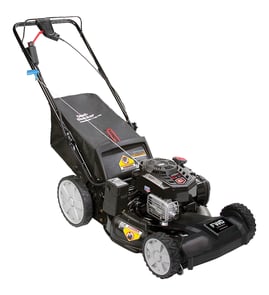
For the Weed Eater model 96114000303 gas walk-behind mower, the most common repairs are no-start or hard-start issues, rough running or surging, poor cutting quality, and drive or control problems. These usually trace back to routine wear items (blade hardware, cables, fasteners) or basic fuel and ignition maintenance.
Most common repairs (and what they usually involve)
- Won’t start / hard to start: old fuel, dirty carburetor passages, fouled spark plug, clogged air filter
- Surging or runs rough: restricted fuel flow, dirty carburetor, air leak, partially clogged filter
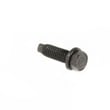
- Cuts unevenly / leaves strips: dull or bent blade, loose blade hardware, damaged blade adapter
- Excess vibration: bent blade, loose mounting hardware, worn blade adapter
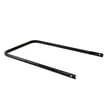
- Handle or control issues: loose handle bolts, worn clamps, stretched or misrouted control cable
Parts on this model that commonly get replaced
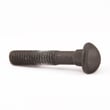
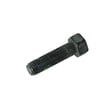
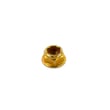
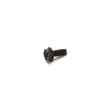
If you’re seeing cutting or vibration symptoms, these parts are frequent fixes on model 96114000303:
Quick symptom-to-fix checklist
| Symptom | What to check first | Typical fix |
|---|---|---|
| Engine won’t start | Fuel freshness, spark plug, air filter | Drain/refill fuel, replace plug/filter, clean carburetor |
| Surging | Fuel restriction, carburetor | Clean carburetor, replace fuel line/filter if equipped |
| Poor cut | Blade edge, blade tightness | Sharpen/replace blade, tighten hardware |
| Vibration | Blade damage, adapter wear | Replace blade and/or adapter |
Why it matters
Catching these issues early prevents bigger damage. A loose or damaged blade setup can stress the crankshaft and deck, and fuel problems can turn a simple tune-up into a longer no-start repair.
Last updated: February 2026
Where to find model number on weed eater?
On a Weed Eater walk-behind mower, the model number is printed on the mower’s ID label (often called the model and serial tag). For model 96114000303, check the mower deck and handle areas first; the label is usually easy to spot once you know where to look.
Most common places to check
Look for a sticker or metal tag with a barcode and a mix of numbers and letters.
- Top of the mower deck near the engine mounting area
- Rear of the deck near the discharge opening or rear flap
- Side of the deck close to a wheel bracket
- Handle support area near the upper handle mounting points
- Underside of the deck (tip the mower safely and only after the spark plug wire is disconnected)
How to read and record it correctly
The model number needs to match exactly for parts lookup.
- Write the model number exactly as shown (all digits, no spaces added)
- Record the serial number too if it’s listed
- Take a clear photo of the tag before it gets dirty or faded
- If the label is worn, wipe it gently and use a flashlight at an angle to make printing stand out
Why it matters for parts and repairs
We use the model number to match the correct blade, hardware, and deck components for your exact build. Even small differences can change which parts fit.
| What you’re doing | What you need | Why it helps |
|---|---|---|
| Ordering a blade | Model number + deck size | Ensures correct length and center mounting |
| Replacing deck hardware | Model number | Matches thread size and fastener type |
| Fixing handle or height issues | Model number | Confirms correct brackets, bolts, and spacers |
Parts you may replace after confirming the model
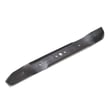
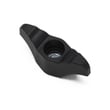
Once you confirm the tag shows 96114000303, common wear items include the lawn mower blade 532406713 and the lawn mower blade adapter 581547901.
Last updated: February 2026
What is the average lifespan of 96114000303?
A gas walk-behind mower like the Weed Eater 96114000303 typically lasts 8 to 12 years with normal residential use and basic maintenance. Lifespan is driven most by engine care, blade impacts, and how well the deck and controls are kept tight and clean.
What most affects lifespan
- Oil and air filtration: clean oil and a clean air filter prevent premature engine wear.
- Blade strikes: hitting rocks, roots, or curbs can bend the blade and stress the crankshaft.
- Deck condition: rust, packed grass, and corrosion shorten deck life.
- Fasteners and controls: loose hardware and stretched cables reduce reliability.
- Storage: dry, covered storage prevents fuel and corrosion problems.
Maintenance that adds years (practical checklist)
- Change engine oil on schedule; check level before mowing.
- Keep the underside of the deck clean and dry after use.
- Sharpen or replace a damaged blade; use the correct replacement like the lawn mower blade 532406713.
- Inspect the blade mounting parts; replace worn pieces such as the lawn mower blade adapter 581547901 if the blade won’t stay tight or the fit is sloppy.
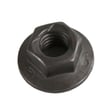
- Re-tighten handle and deck hardware periodically (bolts, nuts, washers).
Quick lifespan guide by usage
| Usage pattern | Typical lifespan | What usually ends it first |
|---|---|---|
| Light (small yard, seasonal) | 10 to 12 years | Fuel issues, neglected maintenance |
| Average (weekly mowing) | 8 to 10 years | Deck wear, blade impacts |
| Heavy (large yard, rough terrain) | 6 to 8 years | Deck damage, drivetrain/control wear |
Why it matters
Knowing the expected lifespan helps you decide whether to tune up the mower or invest in key wear items (blade, blade adapter, fasteners) to keep your 96114000303 cutting safely and evenly.
Last updated: March 2026