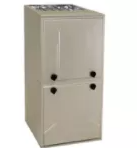
Owner’s manual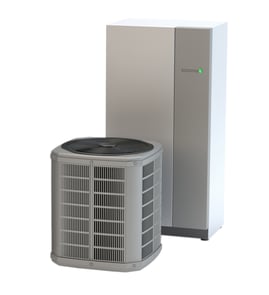



Does a heat pump have 2 TXV?
Many heat pumps use either two TXVs (one for each coil with check valves) or a single bi flow metering device; it depends on the equipment design. The Icp PGC048K080A is a gas heat/electric cool package unit, not a heat pump, so it does not use a reversing valve or a heating-mode TXV circuit; use the PGC048K080A manual to identify the exact refrigerant metering device used for cooling.
What is typical on a heat pump
Heat pumps reverse refrigerant flow in heating vs cooling, so manufacturers handle metering in a few common ways.
- Two TXVs with check valves so only the active TXV meters refrigerant
- One bi flow TXV designed to meter in both directions
- One TXV plus a fixed orifice/piston on the opposite coil
- Electronic expansion valve (EEV) on some higher-end systems
What applies to Icp PGC048K080A
This model is a combination gas furnace plus electric air conditioning package unit. Heating is produced by the gas burner and heat exchanger, not by reversing refrigerant flow.
- Cooling side uses a refrigerant metering device (TXV or fixed orifice, depending on build)
- Heating side uses gas ignition, burner, and controls, not a TXV
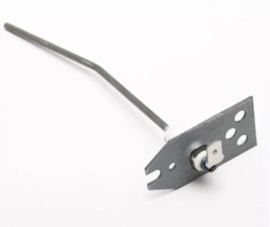
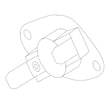
- If you are troubleshooting heating ignition issues, a common service part is the furnace pilot igniter and sensor 1009524
Quick comparison
| Equipment type | Heating method | Reversing valve | Typical TXV count |
|---|---|---|---|
| Heat pump | Refrigeration cycle | Yes | 1 bi flow or 2 TXVs |
| Gas/electric package (PGC series) | Gas burner | No | Cooling metering only |
Why it matters
Metering-device type changes how a technician checks system charge and performance (superheat and subcooling). On PGC048K080A, refrigerant diagnostics apply to cooling only; heating problems are handled on the gas furnace side.
Last updated: January 2026
Is a hybrid HVAC worth it?
A hybrid HVAC can be worth it when you want lower heating costs and steadier comfort; it automatically switches between a heat pump and a gas furnace based on efficiency. For an Icp central package like model PGC048K080A, the best value comes from correct sizing, proper setup, and regular maintenance.
What “worth it” usually means
A hybrid system tends to pay off when electricity is reasonably priced, winters are moderate, and you run heat for long stretches. It can also reduce furnace run time, which many homeowners prefer.
- Lower operating cost in many climates (heat pump handles mild weather)
- Better comfort (less temperature swing than furnace-only in shoulder seasons)
- Built-in backup heat (furnace takes over in colder conditions)
- Potentially less wear on the furnace when the heat pump carries the load
- Best results depend on thermostat controls and correct airflow
Key checks for Icp PGC048K080A owners
Use the PGC048K080A owner's manual to confirm your unit’s configuration and service procedures, then focus on these practical items that drive real-world savings.
| Item to verify | Why it matters | What to look for |
|---|---|---|
| Equipment sizing | Oversized systems waste energy | Proper tonnage and heat output for the home |
| Thermostat setup | Controls when fuel switching happens | Dual-fuel or hybrid settings enabled |
| Airflow and duct condition | Low airflow hurts heat pump efficiency | Clean filter, open registers, sealed ducts |
| Annual maintenance | Efficiency and reliability | Coil cleaning, combustion check, safety inspection |
When a hybrid system is not the best value
- Very low natural gas prices and long, severe winters (furnace may dominate run time)
- Poor ductwork or low airflow that limits heat pump performance
- Incorrect installation or control setup (can erase expected savings)
Why it matters
Hybrid HVAC value is mostly about operating cost and comfort, not just equipment price. When the system is set up correctly, the heat pump covers the cheaper heating hours and the furnace covers the colder hours, which is where the savings typically come from.
Last updated: January 2026
What is the drawback of package units?
Package units like the Icp PGC048K080A are convenient because heating and cooling components are housed in one outdoor cabinet, but the main drawbacks are lower top-end efficiency options versus some split systems and a larger, more visible outdoor footprint.
Common drawbacks (what homeowners notice most)
- Bigger outdoor cabinet: A packaged unit typically takes up more pad or roof space than a split system’s outdoor condenser alone.
- Fewer ultra-high efficiency choices: Many packaged gas/electric units do not reach the very highest efficiency tiers available in some split-system combinations.
- More exposure to weather: Because most components sit outdoors, cabinets, wiring, and controls can see more heat, cold, and moisture over time.
- Service access can be tighter: Everything is in one box; some repairs require removing panels and working in a compact space.
- Ductwork dependence: Packaged units rely heavily on good duct design and sealing; duct leaks or restrictions can reduce comfort and efficiency.
Quick comparison: package unit vs. split system
| Feature | Package unit (PGC048K080A type) | Split system |
|---|---|---|
| Equipment location | Mostly outdoors in one cabinet | Indoor air handler plus outdoor condenser |
| Outdoor space needed | Larger single footprint | Smaller condenser footprint |
| Highest efficiency availability | Often fewer top-tier options | Often more high-efficiency combinations |
| Weather exposure | Higher | Lower for indoor components |
Why it matters
These drawbacks affect long-term operating cost, appearance, and repair complexity. If you are troubleshooting comfort issues (weak airflow, short cycling, poor heating), checking setup details in the PGC048K080A owner's manual helps you separate an equipment problem from a ducting, gas supply, or maintenance issue.
When a “drawback” points to a repair issue
If your packaged unit is running but not heating well, common culprits include ignition and safety controls. For this model, parts that often come up in heat-related diagnostics include the furnace pilot igniter and sensor 1009524 and a temperature limit switch 1013102.
Last updated: January 2026