Error Codes


Are bottom mount fridges better?
Bottom-mount refrigerators like the Viking RVRF3361SS6 are better for many kitchens because the fresh-food section sits at eye and waist level, so you reach for everyday items less often. The tradeoff is that freezer access is lower and some bottom drawers can feel tighter to organize.
When a bottom-mount fridge is the better choice
- You cook often and want produce, dairy, and leftovers at comfortable reach
- You prefer wide refrigerator shelves over a top freezer compartment
- You want a freezer drawer that helps contain frozen-food clutter
- You are trying to reduce bending for the items you use most
- You like a cleaner, built-in look common with premium brands like Viking
When it might not be better
- You use the freezer more than the refrigerator (you will bend more)
- You want the simplest, lowest-cost layout (top-freezer models usually win)
- You need maximum freezer visibility at a glance (upright freezer sections can be easier)
Quick comparison: bottom-mount vs top-freezer
| Feature | Bottom-mount refrigerator | Top-freezer refrigerator |
|---|---|---|
| Fresh-food access | Easier (less bending) | More bending |
| Freezer access | Lower drawer | Eye-level freezer |
| Organization | Great for fresh food | Great for frozen food |
| Typical complexity | More features, more parts | Simpler design |
Why it matters
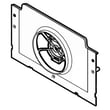
Layout affects daily comfort and food quality. If you open the refrigerator door far more than the freezer, a bottom-mount design reduces strain and keeps frequently used items front-and-center. If you are troubleshooting cooling or airflow issues, the layout also influences which components you check first, such as the evaporator fan area.
Related DIY help
If your bottom-mount fridge is not cooling evenly (a common concern when deciding if the design is “better”), use how to fix your evaporator cooling fan to understand symptoms like warm fresh-food temps, noisy fan operation, or frost buildup.
Last updated: February 2026
What is the life expectancy of a Viking refrigerator?
A Viking refrigerator like model RVRF3361SS6 typically lasts 15 to 20 years. With steady maintenance (clean airflow, good door sealing, and stable temperatures), it’s common for premium built-in style refrigerators to reach the high end of that range.
Typical lifespan and what affects it
Most refrigerator life expectancy comes down to heat management, sealing, and how hard the sealed system has to work.
- 15 to 20 years is the normal lifespan range for Viking refrigerators
- Heavy use, hot kitchens, and poor ventilation shorten lifespan
- Weak door sealing increases run time and wear
- Fan and sensor issues can cause temperature swings that stress the compressor
- Water leaks and drain clogs can lead to icing and airflow problems
Maintenance that adds years (high impact)
These steps reduce compressor run time and prevent common failures.
- Keep the condenser area clean and unobstructed (good airflow matters most)
- Confirm doors close squarely and seal tightly; fix gaps quickly
- Set stable temps (typical targets: 37°F fresh food, 0°F freezer)
- Clear ice buildup that blocks vents and fan airflow
- Address puddles or leaks early to prevent drain freezing
Quick “what to check” table
| What you notice | Most common cause | What we recommend |
|---|---|---|
| Warm fridge, freezer OK | Airflow or evaporator fan issue | Use how to fix your evaporator cooling fan steps; inspect the fan area |
| Frost buildup, poor cooling | Defrost problem or door leak | Check sealing; consider thermostat,defrost safety 5304521781 if defrost is failing |
| Water under crisper or freezer | Drain restriction | Follow how to get rid of refrigerator puddles and inspect the drain path |
| Temps swing up and down | Sensor/thermistor issue | Consider testing/replacing a sensor such as refrigerator temperature sensor 5303918775 |
Why it matters
When a refrigerator runs longer to hold temperature (from dirty airflow paths, a leaking gasket, or a failing fan), the compressor and inverter cycle harder and hotter. Reducing run time is the most reliable way to extend the service life of a Viking bottom-mount refrigerator.
Last updated: February 2026
Why is my Viking refrigerator leaking water from the bottom?
Water leaking from the bottom of your Viking RVRF3361SS6 bottom-mount refrigerator is usually caused by a clogged defrost drain, a cracked or loose drain tube, or a leaking water line feeding the ice maker. Start by checking for ice or debris in the drain path and any wet tubing connections.
Quick checks we recommend first
- Look for a sheet of ice on the freezer floor; that often points to a blocked defrost drain.
- Inspect the drain opening and trough under the evaporator cover for food debris or ice.
- Check the water supply connection behind the refrigerator and the tubing routing for drips.
- Verify the ice maker fill tube area is not frozen over or spraying water.
- Make sure the refrigerator is level; a tilt can cause water to miss the drain pan.
Most common causes and what to do
| What you see | Most likely cause | What to do next |
|---|---|---|
| Puddle after defrost cycles, water inside freezer | Defrost drain clogged or frozen | Melt ice with warm air; flush drain with hot water (turkey baster works well) |
| Water under front center, worse after door openings | Drain tube split or disconnected | Inspect and replace the tube if brittle or cracked; check fit at the drain pan |
| Water only when ice maker runs | Leaking supply line or internal tubing | Tighten fittings; inspect tubing for pinholes; replace damaged line |
| Moisture near door edges, occasional drips | Door not sealing well, excess frost melt | Inspect gasket for gaps and warping; correct door alignment |
Parts that commonly fix bottom leaks on this model
If you find the drain path is damaged (not just clogged), these model-matched parts are often involved:
- Refrigerator drain tube 241830904 (for a cracked, loose, or misrouted drain line)
- Refrigerator water tubing 242220119 (for leaks to the ice maker or dispenser circuit)
DIY guidance that helps
- Follow how to get rid of refrigerator puddles to pinpoint whether the leak is from the defrost system, drain pan, or water supply.
- If the leak is tied to the ice maker or dispenser, use how to diagnose a faulty refrigerator water inlet valve to rule out a valve that seeps or overfills.
Why it matters
Bottom leaks can lead to floor damage and can also signal airflow or defrost issues that create ice buildup. Fixing the drain path or water tubing early helps your RVRF3361SS6 cool efficiently and prevents repeat puddles.
Last updated: February 2026