Error Codes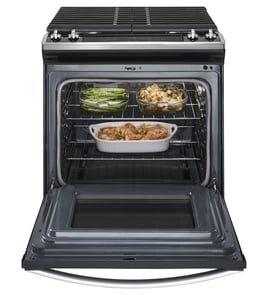




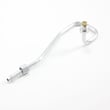
Is Amana a good brand for gas ranges?
Amana is a solid, value-focused brand for gas ranges; the Amana AGR6303MMB0 is built for dependable everyday cooking with straightforward features and widely available replacement parts. For most households that want affordability and simple operation over premium extras, it’s a good choice.
What “good” usually means for an Amana gas range
- Good day-to-day reliability for basic baking and stovetop cooking
- Lower upfront cost compared with many premium brands
- Simpler controls and features, which many owners prefer
- Parts availability for common wear items (ignition and oven heating components)
- DIY-friendly serviceability for many common issues
What to check before you buy (or if you already own one)
Even a good brand performs best when these basics are in good shape:
| What you care about | What to look for | Common fix if it’s off |
|---|---|---|
| Oven temperature accuracy | Food bakes unevenly or runs hot/cold | Test and replace the range oven temperature sensor WPW10181986 if it’s out of spec |
| Oven ignition | Clicking but no bake flame, slow ignition | Inspect/replace the igniter, hot surface W11590294 |
| Heat retention | Longer preheat, heat leaking around door | Replace the oven seal WPW10535778 |
| Burner performance | Weak flame or uneven heating | Clean burner ports; check gas supply and burner head condition |
Why it matters
A “good” gas range is one that holds temperature, lights consistently, and seals heat in the oven cavity. Those factors directly affect cooking results, energy use, and how often you need service. On value brands like Amana, keeping key parts like the igniter, temperature sensor, and door seal in good condition makes the biggest difference.
Quick ownership tips that improve performance
- Keep burner heads and caps clean and seated correctly.
- If the oven takes longer to light, address ignition issues early.
- Use an oven thermometer to spot temperature drift.
- Avoid slamming the oven door; it shortens seal life.
- Level the range if cookware slides or liquids pool.
Last updated: February 2026
What are the most common stove parts to replace?
On the Amana AGR6303MMB0 gas range, the most commonly replaced parts are the ignition and heating components (igniter and oven burner), wear items (door seal), and temperature-control parts (oven temperature sensor). These parts take the most heat and use, so they fail first and cause no-heat, weak heat, or temperature problems.
Most common replacements (and what symptoms they cause)
- Hot surface igniter: oven will not light, slow ignition, gas smell before ignition
- Oven burner: uneven baking, weak flame, no bake heat
- Oven temperature sensor: oven temperature swings, overbakes or underbakes
- Oven door seal: heat leaks, long preheat times, poor baking performance
- Spark/ignition parts for surface burners: clicking, no spark, burner will not light
Model-specific parts we see replaced often
| Problem you notice | Part that commonly fixes it | Example part for AGR6303MMB0 |
|---|---|---|
| Oven will not ignite or takes too long | Hot surface igniter | Igniter, hot surface W11590294 |
| Oven temperature is inaccurate | Oven temperature sensor | Range oven temperature sensor WPW10181986 |
| Heat leaking around oven door | Oven seal | Oven seal WPW10535778 |
| Weak or uneven bake flame | Oven burner | Oven burner W11220387 |
Quick checks before you order a part
- Confirm the symptom: bake vs broil vs surface burner issue (they use different components).
- Look for visible damage: cracked igniter, warped burner, torn gasket, loose wiring.
- Do a basic electrical test (when safe): continuity checks help confirm a failed sensor or igniter.
- Inspect connections: a loose harness plug can mimic a bad part.
- Match by model number: use AGR6303MMB0 to ensure the correct fit.
Why it matters
Replacing the right part restores safe ignition, stable oven temperature, and efficient heating. On a gas range, ignition and temperature-control issues also affect cooking results and can create nuisance symptoms like delayed lighting or heat loss.
Last updated: February 2026
What are the parts of a gas oven?
A gas oven like the Amana AGR6303MMB0 is built around a gas burner system that creates heat, plus safety and control parts that regulate temperature and ignition. Common oven parts include the bake burner, igniter, temperature sensor, door seal, and the electronic control that manages bake and broil.
Main parts you will find in a gas oven
Here are the most common components and what they do:
- Oven burner: Produces the bake heat inside the oven cavity (see oven burner W11220387).
- Hot surface igniter: Heats up to ignite the gas at the burner (see igniter, hot surface W11590294).
- Oven temperature sensor: Tells the control board the oven temperature so it can cycle heat accurately (see range oven temperature sensor WPW10181986).
- Door seal (gasket): Keeps heat in the oven for stable temperatures and efficient baking (see oven seal WPW10535778).
- Electronic control: Runs bake/broil functions, timing, and temperature regulation.
How these parts work together (quick overview)
When you set Bake on AGR6303MMB0, the control calls for heat, the igniter glows, gas flows to the burner, and the sensor helps the control maintain the set temperature.
| Part | Job in the system | Common symptom when failing |
|---|---|---|
| Igniter | Lights the gas | No heat or slow preheat |
| Burner | Creates flame/heat | Weak or uneven heating |
| Temperature sensor | Regulates temperature | Overheats or underheats |
| Door seal | Holds heat in | Long preheat, heat loss |
Why it matters
Knowing the major gas oven parts helps you troubleshoot faster and order the right replacement. For example, “no bake heat” is often tied to the igniter or burner, while “temperature is off” commonly points to the sensor or a heat leak at the door seal.
Helpful DIY tip before ordering parts
- Disconnect power to the range before accessing wiring or controls.
- Shut off the gas supply before servicing burner or gas valve components.
- If you smell gas, stop and ventilate the area before doing anything else.
- For electrical checks, use a meter and follow safe testing practices (see how to use a multimeter to test electrical parts video).
Last updated: February 2026
Where is the model number on an Amana gas stove?
On an Amana freestanding gas range like model AGR6303MMB0, the model number is typically on a rating label around the oven door area. Check the frame just inside the oven door opening, along the front edge of the range, or on the lower drawer frame.
Where to look first (fast checklist)
- Open the oven door and look along the front frame (left or right side).
- Check the door jamb area around the oven opening.
- Pull out the storage/warming drawer and look on the frame or side rails.
- Look behind the control panel area only if the label is not on the front frame.
- If the range is installed tight to cabinets, use a flashlight and take a photo to zoom in.
What the label looks like
The rating label usually includes:
- Model number (for example, AGR6303MMB0)
- Serial number
- Gas type and electrical rating
- Certification markings
Why it matters
We use the exact model number to match the correct Amana parts and diagrams. Even small model-number differences can change which igniter, burner, or control part fits.
Common label locations by area
| Area you check | How to access it | How common |
|---|---|---|
| Oven door frame/jamb | Open oven door | Very common |
| Storage drawer frame | Pull drawer out | Common |
| Back panel | Move range forward (if safe) | Sometimes |
If you still cannot find it
If the label is worn or missing, confirm the model by comparing a few key parts used on AGR6303MMB0, such as the range oven temperature sensor WPW10181986. Matching parts helps narrow down the correct model family.
Last updated: February 2026
Why is my Amana gas oven not getting hot?
If your Amana gas range model AGR6303MMB0 isn’t getting hot, the most common cause is a weak hot-surface igniter that glows but does not pull enough current to open the gas valve fully. Next most common are a failing oven temperature sensor or a restricted bake burner.
Quick checks we recommend (in order)
- Confirm the bake igniter behavior: set Bake and watch through the oven bottom vents; the igniter should glow bright and the burner should light within about 30 to 90 seconds.
- Check for delayed ignition (gas smell before lighting) or no ignition; both point to an igniter or gas supply issue.
- Verify actual temperature with an oven thermometer; large swings or consistently low temps often indicate a sensor problem.
- Inspect the bake burner flame once lit; it should be steady and mostly blue, not lazy, lifting, or uneven.
- Make sure the oven door closes tightly; heat loss from a damaged gasket can prevent reaching set temperature.
Parts that commonly fix “not getting hot” on AGR6303MMB0
| Symptom | Most likely part | What it affects |
|---|---|---|
| Igniter glows but oven heats weakly or takes forever | Igniter, hot surface W11590294 | Opens the gas valve by drawing proper current |
| Oven heats but temperature is inaccurate | Range oven temperature sensor WPW10181986 | Tells the control the oven temperature |
| Burner won’t light or flame is uneven | Oven burner W11220387 | Delivers gas evenly across the burner |
| Oven heats but loses heat quickly | Oven seal WPW10535778 | Keeps heat from escaping around the door |
Why it matters
A weak igniter can still glow and look “normal,” but it may not open the gas valve enough for full heat. A bad sensor can also make the control shut the burner off too early, so the oven never reaches the set temperature.
Safety and when to stop
- If you smell gas, turn the oven off, ventilate the area, and shut off the gas supply.
- If the burner lights with a “whoosh,” pops, or you see soot, stop using the oven until it’s serviced.
- For electrical tests (like checking an igniter or sensor), unplug the range or shut off the breaker first.
Last updated: February 2026
Why is the igniter not working on my Amana oven?
On the Amana AGR6303MMB0 gas range, an oven igniter usually stops working because it is weak (glows but will not open the gas valve), has no power due to a wiring/control issue, or the burner is not lighting due to a gas supply or burner problem. Start with safe visual checks, then test the igniter circuit.
Quick checks (no tools)
- Confirm the range has power (clock/display on) and the oven is set to Bake.
- Look for igniter behavior: no glow vs glows but no flame.
- Make sure the oven burner area is not blocked by heavy spills or foil.
- Verify other gas appliances in the home work; if not, the issue can be the gas supply.
- If you smell gas, turn the oven off, ventilate the area, and stop troubleshooting.
What the symptoms usually mean
| What you see | Most likely cause | What to check next |
|---|---|---|
| Igniter does not glow | No power to igniter, broken igniter, wiring issue | Inspect harness connections; test igniter continuity |
| Igniter glows but no flame | Weak igniter not drawing enough current, gas valve not opening | Replace igniter first; then consider gas valve |
| Flame lights late or uneven | Dirty/clogged burner ports, weak igniter | Clean burner area; replace igniter if slow |
Parts that commonly fix “no bake ignition”
For this model, these parts are common suspects:
- Igniter, hot surface W11590294 (most common for “glows but won’t light”)
- Oven burner W11220387 (if burner is damaged, warped, or ports are compromised)
- Range gas control valve WP98014893 (if igniter tests good but valve will not open)
Testing tips (with a multimeter)
- Unplug the range before checking continuity.
- Check the igniter for continuity; an open circuit indicates a failed igniter.
- Inspect wiring for heat damage or loose connectors, especially near the burner.
- If the igniter is good and powered but the burner never lights, the gas valve circuit becomes the next focus.
Why it matters
A weak hot-surface igniter can prevent the safety valve from opening, so the oven will not light even though the igniter glows. Fixing ignition issues restores normal bake temperatures and prevents repeated failed ignition cycles.
Last updated: February 2026