Owner’s manual
 View engine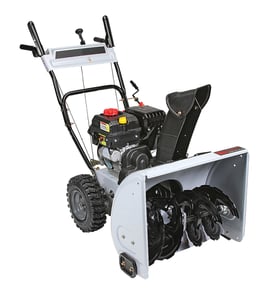




What is the typical lifespan of a gas snowblower?
A gas snowblower like the Husqvarna 10527STE typically lasts 10 to 15 years. With consistent maintenance (oil changes, correct lubrication, belt inspections, and proper off-season storage), many owners get 15 to 20 years of service.
What extends the life of a Husqvarna 10527STE snow thrower
- Change engine oil on schedule and use the correct oil viscosity for your temperatures (the manual includes a viscosity chart).
- Replace the spark plug at the start of each season or every 100 operating hours.
- Keep the housing clean after each use; avoid spraying water into the engine area.
- Inspect wear items before storage and replace as needed (especially belts).
- Store it clean and dry; prepare the fuel system for storage when it will sit 30+ days.
For model-specific maintenance intervals and storage steps, follow the 10527STE owner's manual.
Maintenance items that most often decide lifespan
| Item | Typical interval | What happens if ignored |
|---|---|---|
| Engine oil | Each season (or per engine schedule) | Faster engine wear, hard starting |
| Spark plug | Each season or 100 hours | Misfires, poor power, hard starting |
| Belts | Inspect each season | Slipping, loss of auger or drive function |
| Cleaning | After each use | Corrosion, packed snow, premature wear |
| Storage prep | End of season | Fuel varnish, carburetor issues |
Why it matters
Most “snowblower failures” that shorten lifespan are preventable. Clean storage, correct oil, and avoiding contamination of drive components help protect expensive systems like the auger gear case and traction drive.
Last updated: January 2026
Is the Husqvarna 10527STE easy to start?
Yes. The Husqvarna 10527STE is typically easy to start when the fuel is fresh, the spark plug is in good shape, and the controls move freely. For the correct starting steps and safety prep, follow the 10527STE owner's manual.
What “easy to start” depends on
Even a good-running snow thrower can feel hard to start if one of these basics is off:
- Fresh gasoline (old fuel is the most common cause of hard starting)
- Choke and throttle set correctly for a cold start
- Spark plug clean and properly gapped
- Primer (if equipped) used as directed
- Recoil starter rope pulls smoothly (no binding)
- No ice buildup around controls after storage outdoors
Quick start checklist (cold start)
Use this sequence as a practical baseline, then match it to the exact procedure in your manual:
- Move the snowblower outdoors to a ventilated area.
- Confirm the auger and drive controls are released.
- Set choke for cold start; set throttle to a run/start position.
- Prime as directed (if equipped).
- Pull-start with steady pulls (or use electric start if your unit is equipped).
Common symptoms and what they usually mean
| What you notice | Most common cause | What to do first |
|---|---|---|
| Starts, then dies | Choke not adjusted, stale fuel | Reduce choke gradually; replace fuel |
| Won’t fire at all | Spark plug issue, fuel not reaching carburetor | Check plug condition; verify fuel flow |
| Pull rope is very hard to pull | Ice, hydro-lock, mechanical drag | Inspect for ice; check oil and fuel contamination |
| Starts but won’t move | Traction drive issue | Inspect drive system and linkage |
Why it matters
Easy starting is a sign the ignition, fuel delivery, and control linkages are working together. Keeping those basics in shape reduces no-start calls, prevents flooding, and helps your Husqvarna snowblower run reliably in cold weather.
Last updated: January 2026
What kind of gas does a Husqvarna 10527STE take?
The Husqvarna 10527STE snow thrower runs on regular unleaded gasoline with up to 10% ethanol (E10). Using fuel with more than 10% ethanol can cause hard starting, poor performance, and fuel-system damage, so we recommend sticking with E10 or ethanol-free gas.
Fuel type and what to avoid
Use these fuel guidelines for the 10527STE:
- Regular unleaded gasoline
- Up to 10% ethanol (E10) is acceptable
- Avoid E15, E20, E85, or any fuel labeled “flex fuel”
- Avoid old or stale gas (especially gas stored for months)
- Use clean fuel from a sealed, approved gas can
For the exact fuel and storage guidance Husqvarna specifies, follow the 10527STE owner's manual.
Best practices for fewer starting and carburetor problems
Most snowblower fuel issues come from storage habits, not the machine itself. We recommend:
- Fill with fresh gas before each storm (not last season’s fuel)
- Add fuel stabilizer any time gas will sit more than 30 days
- Store fuel containers tightly capped to reduce moisture absorption
- Shut the engine off and let it cool before refueling
- If the snowblower will be stored, run it dry or follow the manual’s storage procedure
Quick reference table
| Fuel option | OK for 10527STE? | Notes |
|---|---|---|
| Regular unleaded E0 (ethanol-free) | Yes | Best for storage and cold starts |
| Regular unleaded E10 | Yes | Do not exceed 10% ethanol |
| E15 or higher ethanol blends | No | Can damage fuel system and cause running issues |
| Old/stale gasoline | No | Common cause of hard starting and surging |
Why it matters
Ethanol blends above E10 attract moisture and can separate during storage, which leads to varnish and corrosion in the carburetor and fuel lines. Using the right gas helps your Husqvarna 10527STE start easier, run smoother, and last longer.
Last updated: January 2026