 Error Codes



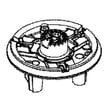
What type of product is CGS750P2M5S1?
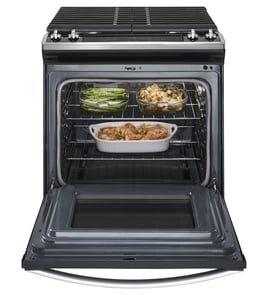
CGS750P2M5S1 is a GE slide-in gas range. It is a kitchen cooking appliance that combines a gas cooktop (surface burners) with a gas oven in a slide-in design that fits between cabinets for a built-in look.
What this range includes
Most GE slide-in gas ranges like model CGS750P2M5S1 are built around these core systems:
- Surface burners, burner heads, and burner caps for stovetop cooking
- Gas oven burner and igniter system for baking
- Temperature sensing and electronic controls for accurate oven heat
- Ignition components for lighting burners safely and consistently
Common parts you may see on this model
If you are identifying what you have by the parts installed, these are examples of model-matched components:
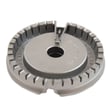
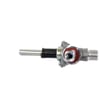
- Range extra large surface burner, 18,000-btu WB16X24722
- Range surface burner cap WB28K10222
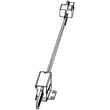
- Range bake igniter WB28X28781
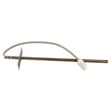
- Range oven temperature sensor WB24X25557
Quick ID guide (helpful when ordering parts)
| Item | What it tells you | Why it helps |
|---|---|---|
| Model number | Exact configuration of the range | Ensures correct fit and finish parts |
| Product type | Slide-in gas range | Confirms cabinet fit style and fuel type |
| Brand | GE | Narrows down compatible components |
Why it matters
Slide-in gas ranges use model-specific burner, igniter, and control parts. Matching parts to CGS750P2M5S1 helps prevent ignition problems, uneven baking, and cosmetic fit issues (like handles, doors, and cooktop pieces).
Last updated: January 2026
How to tell if your stove is gas or electric?
Your GE CGS750P2M5S1 is a gas range, so it uses gas burners on top and a gas burner (with an igniter) to heat the oven. In general, you can tell by looking for burner flames and a gas supply line behind the range.
Quick ways to identify gas vs. electric
- Look at the cooktop: Gas has burner caps and you see a flame; electric has coil elements or a smooth glass top.
- Check behind the range: Gas ranges connect to a gas shutoff valve and flexible gas line; electric ranges do not.
- Listen when starting the oven: Gas ovens typically click and use a hot-surface igniter before the burner lights.
- Check your breaker: Electric ranges usually have a large 240V double-pole breaker; gas ranges typically use a standard 120V circuit for controls and ignition.
- Look for an igniter part: Many gas ovens use a glow-bar style igniter such as the range bake igniter WB28X28781.
What you should see on a gas range (like CGS750P2M5S1)
| Feature | Gas range | Electric range |
|---|---|---|
| Cooktop heat source | Flame under burner cap | Coil element or radiant element under glass |
| Oven heat source | Gas burner with igniter | Electric bake element |
| Utility connection | Gas line plus 120V outlet | 240V power cord only |
If you are still unsure, use these checks
- Lift off a burner cap and look for a burner head and igniter electrode (common on gas cooktops).
- Start a surface burner: if you hear clicking and see flame, it is gas.
- Start Bake: if you smell gas briefly and then the burner lights, it is gas.
Why it matters
Gas vs. electric determines the correct replacement parts and troubleshooting steps. For example, gas oven heating problems often point to an igniter, while electric ovens more often involve a bake element.
Last updated: January 2026
What material is CGS750P2M5S1 made of?
The GE CGS750P2M5S1 slide-in gas range is built from a mix of materials, not one single material; most ranges in this class use a steel chassis with porcelain-coated steel in the oven cavity and a combination of metal and glass on the door and control area. For model-matched exterior pieces, use the exact replacement part listings such as the stainless steel glass & panel door WB56X31642.
What materials you can expect on this GE slide-in gas range
Most GE slide-in gas ranges like CGS750P2M5S1 typically include:
- Painted or coated steel frame and side panels
- Porcelain-coated steel oven cavity surfaces for heat durability and easier cleaning
- Tempered glass in the oven door window and some control surfaces
- Stainless steel or coated metal on exterior trim (varies by finish package)
- Cast iron or heavy steel cooktop grates (varies by burner layout)
How to confirm the material for the specific area you care about
Because “material” depends on the component (door, cooktop, cavity, handle), match the part you are asking about:
| Area you mean | Common material on this type of range | Best way to confirm |
|---|---|---|
| Oven cavity | Porcelain-coated steel | Compare to cavity panels and liners in parts listings |
| Oven door assembly | Glass + metal frame | Match the door assembly part listing |
| Cooktop surface | Coated metal or stainless (by finish) | Match the main top part listing |
| Burner caps/heads | Metal alloy | Match burner cap/head part listing |
Why it matters
Material affects cleaning method, scratch resistance, and which cleaners are safe. For example, stainless and coated steel need different cleaners, and oven-cavity porcelain should not be scraped with aggressive tools.
Helpful related tip
For cleaning guidance on stainless finishes, use how to clean stainless steel appliances video.
Last updated: January 2026
Can I replace a gas oven with an electric oven?
Yes. You can replace the GE CGS750P2M5S1 slide-in gas range with an electric range, but it is not a direct swap. You must have the correct 240V electrical supply installed for the new range and the existing gas line shut off and capped safely.
What must change when switching from gas to electric
- Add a dedicated 240V circuit sized for the electric range (most are 40A to 50A).
- Install the correct range receptacle and cord setup (3-wire or 4-wire, depending on your home and local code).
- Shut off the gas at the shutoff valve and cap the gas supply line securely.
- Confirm the cabinet cutout, countertop fit, and clearances for a slide-in electric range.
- Verify ventilation still meets your cooking needs (electric still creates heat, smoke, and grease).
Quick checklist before you buy the electric range
| Item to verify | Typical requirement | Why it matters |
|---|---|---|
| Electrical supply | 240V dedicated circuit | Prevents nuisance tripping and overheated wiring |
| Breaker size | Commonly 40A to 50A | Matches the range’s power demand |
| Outlet/cord | Correct 3-wire or 4-wire connection | Avoids unsafe adapters and loose connections |
| Gas line | Shutoff works; line can be capped | Prevents leaks after the gas range is removed |
Recommended order of work
- Confirm the new electric range’s voltage, amperage, and plug requirements.
- Have an electrician install or verify the 240V circuit and receptacle.
- Turn off gas and have the line capped.
- Measure the opening and compare it to the new range’s installation dimensions.
- Install, level, and test bake and broil.
Why it matters
Gas-to-electric replacement affects both household wiring and the fuel connection. Correct circuit sizing and proper gas-line capping prevent performance problems and reduce safety risks.
If you are switching because the oven is not heating well
On a gas range like the GE CGS750P2M5S1, weak or no oven heat is often tied to ignition or temperature sensing. Common repair parts include the range bake igniter WB28X28781 and the range oven temperature sensor WB24X25557.
Last updated: January 2026