Owner’s manual
 Error Codes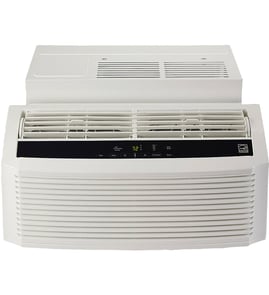




How many square feet will a 15000 BTU window air conditioner cool?
A 15,000 BTU window (room) air conditioner like the Frigidaire FFRE153WAE0 typically cools about 550 to 700 square feet in an average, well-insulated space. Real-world coverage depends on sun exposure, ceiling height, insulation, and how well air can circulate.
Typical coverage and what changes it
Most 15,000 BTU room air conditioners land in this range, but these factors can push the number up or down:
- Direct sun / hot west-facing windows: expect less coverage
- Poor insulation or air leaks: expect less coverage
- High ceilings (over ~8 ft.): expect less coverage
- Open floor plan with good airflow: expect more coverage
- Heat sources (kitchen, many people, electronics): expect less coverage
Quick sizing guide (rule-of-thumb)
Use this as a practical way to sanity-check sizing for a 15,000 BTU unit.
| Room conditions | Expected cooling coverage | What to do if it struggles |
|---|---|---|
| Shaded, insulated, doors mostly closed | 650 to 700 sq. ft. | Keep filter clean, use higher fan |
| Average home conditions | 550 to 650 sq. ft. | Close doors, reduce heat sources |
| Hot sun, leaky/older home, high ceilings | 450 to 550 sq. ft. | Add shading, seal leaks, consider larger BTU |
Setup tips that help you reach the higher end of the range
We recommend these steps because they directly affect airflow and efficiency:
- Keep airflow unblocked indoors (avoid curtains, furniture, blinds blocking the front)
- Keep outdoor airflow clear (no shrubs, enclosures, or obstructions)
- Install on the shady side when possible (north-facing windows are often best)
- Keep other blinds/drapes closed during the sunniest part of the day
- Clean the air filter on schedule (a dirty filter restricts airflow and reduces cooling)
For model-specific operating details and airflow direction (louvers up/down and left/right), follow the FFRE153WAE0 owner's manual.
Why it matters
If the room is larger than the unit can handle, the air conditioner can run constantly, feel “not cold enough,” and struggle to pull humidity down. Correct sizing and good airflow help the FFRE153WAE0 cool faster, cycle normally, and save energy.
Last updated: January 2026
Does my Frigidaire portable air conditioner need to be drained?
Your Frigidaire FFRE153WAE0 room air conditioner is a window-style unit, not a portable model; it normally does not use a bucket that you empty daily. Most water is managed by the unit’s internal design, but you should still check for improper installation, a dirty air filter, or a blocked drain path if you see water indoors. See the FFRE153WAE0 owner's manual for your model’s care and cleaning guidance.
When you might need to deal with water
Even though this model is not typically “manually drained,” water issues can still happen.
- Water dripping inside usually points to the unit not tilted correctly to the outside
- A clogged or dirty air filter can contribute to icing and excess water
- Debris can block the rear drain area and cause overflow
- High humidity can increase normal condensate production
- Poor window fit or vibration can shift the unit and change drainage
Quick checks we recommend (safe DIY)
- Turn the unit off and let any ice melt if you suspect icing.
- Confirm the unit tilts slightly outward so condensate runs to the outside.
- Clean the air filter and reinstall it fully seated.
- Inspect the front intake and grille area for dust buildup.
- Check the rear of the unit (outside) for leaves or debris restricting drainage.
If your filter is damaged or won’t clean up well, replacing it is often the fastest fix; use the exact model-matched filter 5304521060.
Symptoms and what they usually mean
| What you notice | Most common cause | What to do first |
|---|---|---|
| Water on indoor sill or wall | Unit not pitched outward | Re-level and re-secure in window |
| Musty smell plus moisture | Dirty filter or stagnant water | Clean filter and improve drainage |
| Ice on front coil, then water | Restricted airflow | Clean filter, clear intake |
| Loud vibration, then leaking | Poor installation or shifting | Re-seat unit, tighten mounting |
Why it matters
Condensate that cannot drain correctly can lead to indoor water damage, reduced cooling, and icing that stresses the compressor and fan system. Keeping airflow and installation correct is the best way to prevent repeat leaks.
For broader maintenance tips that apply to most window units, follow how to maintain your window air conditioner.
Last updated: January 2026
How to reset a Frigidaire air conditioner button?
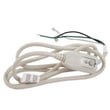
On the Frigidaire FFRE153WAE0 room air conditioner, the RESET button is on the power plug (not the control panel). Plug the unit in, press TEST to trip it, then press RESET until it clicks in and the plug light indicates power is restored; then turn the unit on with ON/OFF.
How to reset the plug RESET button (step-by-step)
- Make sure the air conditioner has been upright for at least 1 hour before operating.
- Plug the unit firmly into a working wall outlet.
- On the plug head, press TEST; the RESET button should pop out.
- Press RESET; you should feel a click as it engages.
- Confirm the plug head indicator light shows the cord is supplying power.
- Press the unit’s ON/OFF button to start cooling.
What to do if it still will not run after resetting
If the unit still does not operate after you reset the plug, check these common causes:
- The wall outlet is loose or not supplying power.
- The house fuse is blown or the circuit breaker is tripped.
- The control is set to OFF or an incorrect mode.
- The unit is in the built-in 3-minute compressor delay after being turned off and back on quickly.
- The plug’s safety device will not reset (the cord must be replaced if it will not reset).
Quick reference: RESET vs TEST vs ON/OFF
| Control | Where it is | What it does |
|---|---|---|
| RESET | Power plug head | Restores power through the safety device |
| TEST | Power plug head | Trips the safety device to verify it works |
| ON/OFF | Unit control panel | Turns the air conditioner on or off |
Why it matters
Resetting the plug safety device restores power safely after a trip event. Using the plug buttons as an on/off switch can cause nuisance trips and confusing “no power” symptoms. For model-specific operating details, use the FFRE153WAE0 owner's manual.
Last updated: January 2026
What is the life expectancy of a Frigidaire air conditioner?
A Frigidaire room air conditioner like model FFRE153WAE0 typically lasts 10 to 15 years. With consistent filter cleaning, correct installation, and normal seasonal use, it reaches the full end of that range before cooling performance and efficiency usually start to drop.
Typical lifespan for this type of unit
Most window and room air conditioners fall into a predictable lifespan range when the compressor and sealed system stay healthy.
- Typical: 10 to 15 years
- Shorter life: heavy run time, dirty filter, poor airflow, salty coastal air
- Longer life: clean filter, clear coils, stable power, correct tilt and drainage
| What you do | What it helps prevent | What it protects |
|---|---|---|
| Clean the air filter regularly | Icing, weak airflow, overheating | Compressor, fan motor |
| Keep the unit level with proper drainage | Water leaks, corrosion | Base pan, cabinet |
| Use the built-in time delay correctly | Rapid cycling stress | Compressor |
| Keep the front intake unobstructed | Low airflow and poor cooling | Evaporator coil |
Maintenance that most improves life expectancy
We see the biggest lifespan gains from basic airflow and cleanliness checks.
- Wash or replace the air filter on schedule; a clogged filter is the fastest way to shorten life
- Keep the front grille and intake clear of curtains, furniture, and dust
- Clean the evaporator and condenser coil surfaces when they are dirty
- Confirm the unit is installed securely to reduce vibration and cabinet wear
- Avoid rapid off/on cycling; many models use a built-in delay to protect the compressor
If you need model-specific care steps and cleaning intervals, use the FFRE153WAE0 owner's manual.
When replacement makes more sense than repair
A room air conditioner is usually near end-of-life when any of these become frequent.
- Cooling is weak even with a clean filter and correct settings
- The unit trips the breaker or struggles to start repeatedly
- Water leaks persist after confirming proper tilt and drainage
- The compressor runs but the room does not cool effectively
Quick parts check that supports longer life
If airflow is weak or the unit ices up, start with the filter and intake path.
- Inspect and clean the filter 5304521060
Why it matters
A well-maintained FFRE153WAE0 runs more efficiently, cools faster, and puts less stress on the compressor. That directly affects how long the unit lasts and how often you deal with icing, leaks, or nuisance shutdowns.
Last updated: January 2026