Error Codes



Is a side-by-side fridge better?
A side-by-side refrigerator like the Jenn-Air JBSS42E22L01 is “better” when you want easy access to both fresh and frozen food at eye level and you prefer narrower door swing clearance. A French door style is often better for wide platters and large fresh-food storage.
Quick comparison: side-by-side vs. French door
| Feature | Side-by-side (JBSS42E22L01 style) | French door |
|---|---|---|
| Fresh and frozen access | Both at eye level | Fresh food at eye level; freezer below |
| Fits in tighter aisles | Narrower doors | Wider doors |
| Wide items (pizza boxes, platters) | Can be harder to fit | Usually easier to fit |
| Freezer organization | Tall, narrow shelves | Wide drawer bins |
When a side-by-side is the better choice
- You use the freezer often and want it at a comfortable height.
- Your kitchen has limited clearance for wide doors.
- You like tall, vertical storage for frozen foods.
- You want a consistent “grab-and-go” layout for both compartments.
When a French door is the better choice
- You regularly store wide casserole dishes, sheet pans, or party platters.
- You want more uninterrupted shelf width in the fresh-food section.
- You prefer a pull-out freezer drawer for bulk frozen items.
Why it matters
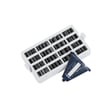
“Better” usually comes down to how your kitchen space and food habits match the layout. If you frequently fight odors or stale air in any refrigerator style, keeping up with the air filter schedule helps overall freshness; the refrigerator air filter W10311524 is a common maintenance item for this model.
Last updated: February 2026
What is the disadvantage of a side-by-side fridge?
A side-by-side refrigerator like the Jenn-Air JBSS42E22L01 trades wide, open shelf space for easy access to both fresh food and freezer sections. The biggest disadvantage is narrower compartments, which makes it harder to store wide items (pizza boxes, party platters) and can reduce usable space.
Common disadvantages (what you notice day to day)
- Narrow shelves and bins: wide containers often will not fit without rearranging.
- Less flexible fresh-food storage: the refrigerator side can feel tight for large produce drawers and tall items.
- More bending for frequently used items: many shelves and drawers sit lower in both compartments.
- Ice and water dispenser complexity (if equipped): more moving parts can mean more maintenance over time.
- Airflow balance matters more: overpacking either side can block vents and cause uneven temperatures.
Side-by-side vs other layouts (quick comparison)
| Layout | Best for | Main drawback |
|---|---|---|
| Side-by-side | Equal access to freezer and fridge; narrow door swing | Narrow storage for wide items |
| French door | Wide refrigerator shelves; large platters | Freezer items can be harder to see |
| Top freezer | Simple, efficient layout | Fresh food is lower and less convenient |
Why it matters
If you regularly store wide trays, sheet pans, or large deli platters, the side-by-side layout can create daily frustration. On the other hand, if you use the freezer often, the vertical freezer section keeps items at eye level and easier to organize.
Tips to make a side-by-side work better
- Use clear, stackable bins to “square off” narrow shelves.
- Keep airflow paths open near the back vents.
- Store wide items on adjustable shelves (if your shelving allows) and reserve door bins for smaller containers.
- If odors are a concern in tighter compartments, replace the air filter on schedule (see refrigerator air filter W10311524).
Last updated: February 2026
What is the most reliable side-by-side refrigerator?
The most reliable side-by-side refrigerator is typically a simple, non-feature-heavy model from a brand with strong long-term service support and readily available replacement parts. For your Jenn-Air JBSS42E22L01, reliability also improves when you stay on top of routine maintenance items like the water filter and air filter.
What “most reliable” usually means (and what to look for)
When we evaluate reliability across side-by-side refrigerators, these factors matter most:
- Fewer electronic features and dispensers generally means fewer failure points
- Stable temperatures (fresh food and freezer) with consistent airflow
- Easy-to-service design with common, available parts
- Proven ice and water system design (or fewer ice maker features)
- Good door sealing and alignment to prevent warm air leaks
Practical reliability checklist for a side-by-side
If you are shopping or comparing models, prioritize these traits:
- Standard-depth or built-in style that allows good ventilation around the cabinet
- Simple ice maker and dispenser setup (or no dispenser if you want maximum simplicity)
- Strong door seal and hinges that keep doors closing squarely
- Straightforward filter access and a clear replacement schedule
- Quiet, steady fan operation (evaporator fan noise changes can signal trouble)
Maintenance that directly improves reliability on JBSS42E22L01
A lot of “reliability” comes down to preventing common stress points like restricted airflow and water flow.
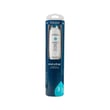
- Replace the water filter on schedule; a clogged filter can reduce dispenser flow and strain the water system (use refrigerator filter EDR3RXD1).
- Replace the air filter regularly to help control odors and keep airflow paths cleaner (use refrigerator air filter W10311524).
- Keep door gaskets clean and sealing evenly; air leaks cause longer run times and temperature swings.
- Avoid overpacking; side-by-sides need clear air channels for even cooling.
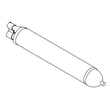
- If temperatures swing, check the thermistor/temperature sensor circuit (see refrigerator temperature sensor WP2188820).
Quick comparison: what tends to last longer
| Design choice | Typical reliability impact | Why |
|---|---|---|
| Fewer dispenser features | Higher | Fewer motors, switches, and ice path jams |
| Regular filter changes | Higher | Prevents low flow, clogs, and odor issues |
| Strong door sealing | Higher | Reduces compressor run time and frost issues |
| Heavy “smart” features | Lower | More boards, sensors, and UI components |
Why it matters
Side-by-side refrigerators depend on steady airflow and tight door sealing. When filters clog or doors leak, the unit runs longer, temperatures drift, and components like fans and the sealed system work harder than they should.
Last updated: February 2026
What are common problems with JennAir refrigerators?
Common problems we see on Jenn-Air side-by-side refrigerators like model JBSS42E22L01 include warm temperatures from airflow or sensor issues, water or ice dispenser trouble, leaks from drain or supply problems, and door sealing issues that cause frost and temperature swings.
Most common symptoms and what usually causes them
- Not cooling or uneven cooling: blocked air vents, dirty condenser coils, or a failing temperature sensor
- Ice maker not making ice: low water supply, a clogged water filter, or air trapped in the water line
- Water dispenser slow or not dispensing: clogged filter, air in the line, or dispenser drive issues
- Water leaking: defrost drain restriction, loose water line connections, or inlet tube issues
- Bad odors: old food residue, poor airflow, or a saturated air filter
- Doors not sealing: worn gasket, door out of alignment, or bins/shelves preventing closure
Quick checks we recommend before replacing parts
- Confirm controls are set to typical targets: 37°F fresh food and 0°F freezer.
- Make sure packages are not blocking interior vents.
- Clean condenser coils and verify the unit has good airflow around the grille.
- If you recently changed the water filter, purge air from the dispenser.
- Inspect door gaskets for gaps, tears, or areas that do not grip a paper strip.
Parts that commonly solve these problems (when symptoms match)
| Symptom | Part to consider | What it affects |
|---|---|---|
| Slow water, bad taste/odor in water | Refrigerator filter EDR3RXD1 | Water flow and filtration to dispenser and ice maker |
| Refrigerator smells | Refrigerator air filter W10311524 | Odor reduction and air freshness |
| Temps swing or seem inaccurate | Refrigerator temperature sensor WP2188820 | Temperature feedback to the control |
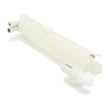
| Filter won’t latch or release correctly | Refrigerator water filter release button (black) WP2260503B | Filter housing release mechanism |
| Leaks at the supply connection area | Refrigerator inlet tube W11212166 | Water routing into the refrigerator |
Why it matters
Small issues like restricted airflow, a clogged filter, or a weak door seal can force longer run times, create frost, and lead to inconsistent temperatures that shorten food life. Addressing the root cause early usually prevents bigger cooling and ice maker failures.
For step-by-step DIY guidance on a common cooling complaint, use our how to fix your evaporator cooling fan article.
Last updated: February 2026
How wide is a large side-by-side refrigerator?
A large side-by-side refrigerator is typically 30 to 36 inches wide. Your Jenn-Air JBSS42E22L01 is a 42-inch class built-in side-by-side, so plan for a cabinet opening and door-swing clearance sized for a 42-inch wide unit.
Typical widths you will see
- Standard freestanding side-by-side: 30 to 36 inches
- Large or “oversize” freestanding: 36 inches class
- Built-in side-by-side (like JBSS42E22L01): 42 inches class
How we measure width for fit (what to include)
Measure in three places (top, middle, bottom) and use the largest number.
- Cabinet opening width (inside edge to inside edge)
- Finished trim or side panels that reduce the opening
- Door and handle projection at the widest point
- Clearance needed for full door swing and bin pull-out
- Space for airflow and the water line behind the refrigerator
Quick planning table
| Refrigerator type | Typical width | Fit tip |
|---|---|---|
| Freestanding side-by-side | 30 to 36 in. | Confirm handle clearance past counters |
| Built-in side-by-side | 42 in. class | Verify opening, trim, and door swing |
Why it matters
Width is the number one “won’t fit” issue. Even a small mismatch can prevent the refrigerator from sliding into the opening or can limit door swing, which affects shelf access and door sealing.
If you are also dealing with warm temps or weak airflow while planning a replacement or reinstall, use our how to fix your evaporator cooling fan guide to check common cooling-fan symptoms.
Last updated: February 2026