Owner’s manual
 Error Codes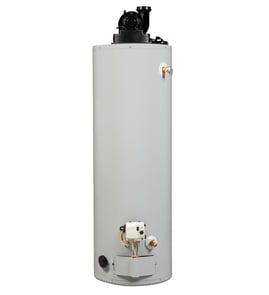







What is the average lifespan of a gas hot water heater?
Most tank-style gas water heaters, including the American BFG6140T403NO, last 8 to 12 years. With consistent maintenance (especially flushing sediment and inspecting the anode rod), it’s common to reach the upper end of that range and sometimes longer.
- Water quality (hard water and corrosive water shorten tank life)
- Sediment buildup in the tank (overheats the bottom and stresses the tank)
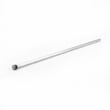
- Anode rod condition (a depleted anode lets the tank corrode faster)
- Temperature setting (higher temps increase scaling and wear)
- Installation and venting (poor combustion air or venting can cause operational problems)
Use your owner's manual for the exact procedures and safety steps for model BFG6140T403NO.
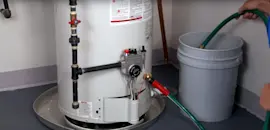
- Flush the tank periodically to reduce sediment
- Inspect the anode rod every 3 years; replace it if it’s more than 50% depleted
- Check the draft hood and venting for proper fit and clear exhaust path
- Watch the pilot and burner operation; a weak pilot can lead to nuisance shutdowns
- Address water odor early; the manual notes anode-related “rotten egg smell” can occur
Replacing a part can restore operation, but it does not reset the tank’s corrosion clock.
| Item | What it impacts | Example part for this model |
|---|---|---|
| Anode rod | Tank corrosion protection | Anode rod 100108260 |
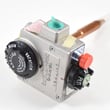
| Pilot assembly | Reliable ignition and flame sensing | Water heater pilot assembly 100112330 |
| Drain valve | Ability to flush sediment effectively | Drain valve 100109106 |
Once a tank begins to corrode internally, performance issues often show up as rusty water, reduced hot water, or leaks. Keeping up with flushing and anode inspections is the most direct way to extend the service life of a gas water heater.
Last updated: February 2026
Is 40,000 BTU good for a water heater?
Yes. A 40,000 BTU input is a solid, common rating for a residential gas tank water heater and typically provides good hot-water recovery for many homes. For your American BFG6140T403NO, the “right” BTU also depends on proper gas supply sizing and adequate combustion air per the owner's manual.
BTU input affects how fast the burner can reheat the tank after you use hot water.
- Higher BTU generally means faster recovery (more hot water back sooner)
- Lower BTU generally means slower recovery (longer wait after heavy use)
- Household demand (showers, laundry, dishwasher) matters as much as BTU
- Venting and combustion air must be correct for safe, steady operation
- Gas piping must be sized to deliver the heater’s rated input
Your BFG6140T403NO’s exact gas input rating is listed on the water heater data plate; we use that number to size gas piping and combustion air openings.
| What you’re checking | Why it matters | Where to confirm |
|---|---|---|
| Gas input (BTU/HR) on data plate | Ensures piping and air calculations match the heater | Data plate and owner's manual |
| Room volume (unconfined vs confined space) | Prevents flame problems and poor combustion | Owner's manual |
| Combustion air openings (if confined) | Helps the burner get enough air to run correctly | Owner's manual |
These are practical guidelines we use when BTU is the only number you have:
- 40,000 BTU is a common “sweet spot” for many standard tank gas water heaters
- It typically fits many 2 to 4 person households with normal hot-water habits
- If you run out of hot water often, the issue can be demand, thermostat setting, sediment, or a burner/pilot problem (not just BTU)
A “good” BTU rating only performs well when the heater can actually get enough fuel and air. Undersized gas piping or inadequate combustion air can cause weak heating, nuisance shutdowns, or poor recovery even if the BTU rating looks right.
Last updated: February 2026
What is the average cost to install a 40 gallon gas water heater?
Installing a 40-gallon gas water heater typically costs about $900 to $3,000 total (often $1,000 to $2,500), including the heater, labor, and common materials. For American model BFG6140T403NO, the final price mainly depends on venting, gas piping, and code-required upgrades; see the owner's manual for installation requirements.
- Venting work (chimney or gas vent changes, new draft hood, extra elbows)
- Gas line changes (pipe sizing, shutoff valve, sediment trap, longer runs)
- Water piping updates (new shutoff, dielectric unions, rerouting)
- Code and safety items (drain pan, discharge piping, combustion air)
- Location and access (attic, crawlspace, tight closet, stairs)
- Haul-away and disposal of the old tank
| Cost item | Typical range | Notes |
|---|---|---|
| 40-gallon gas water heater | $400 to $1,000+ | Higher for premium efficiency or specialty venting |
| Labor | $400 to $1,500+ | More if venting or gas piping must be modified |
| Materials and fittings | $100 to $500+ | Valves, connectors, vent parts, pan, pipe |
| Permits/inspection (where required) | $0 to $300+ | Varies by area |
For BFG6140T403NO, the manual calls out items that often add time and materials:
- Install per local/state codes and the National Fuel Gas Code (ANSI Z223.1/NFPA 54)
- Keep the heater indoors, vertical, and level
- Plan for combustion air and ventilation
- Size the gas supply piping correctly for the heater input rating
- Use a drain pan where leakage could damage surrounding areas
A low bid can turn expensive if the installer later discovers venting or gas pipe sizing issues. Pricing the job correctly up front helps ensure safe combustion, reliable ignition, and fewer nuisance shutdowns.
Last updated: February 2026
Why are gas water heaters being phased out?
Gas water heaters are being phased out in some areas because regulators want to reduce air pollution and greenhouse-gas emissions from burning natural gas in homes. For American model BFG6140T403NO, the phase-out is a policy and code issue (not a repair issue); we recommend checking local rules and using the owner's manual for safe operation and installation requirements.
Common reasons local agencies and building codes target gas water heaters include:
- Cutting nitrogen oxides (NOx) that contribute to smog
- Reducing carbon monoxide risk from venting and backdraft conditions
- Lowering overall building emissions by shifting to electric options
- Standardizing new-construction requirements (electric-ready homes)
- Improving indoor air quality goals in dense metro areas
A phase-out usually affects new installations or replacement rules in certain jurisdictions, not whether your existing heater can keep running safely.
| Situation | What typically happens | What you can do |
|---|---|---|
| Existing working gas water heater | Often allowed to operate | Maintain it and follow safety guidance |
| Like-for-like replacement after failure | May be restricted in some areas | Confirm local code before buying parts or a new unit |
| New construction or major remodel | Often requires electric or electric-ready | Plan venting, electrical, and space needs early |
Your manual highlights several safety items that matter regardless of local policy:
- Never store or use flammable liquids or vapors near the water heater
- Avoid installing near strong air-moving devices (fans, dryers) that can cause flue-gas backdrafting
- If the unit has been under water or gas controls were submerged, replace the water heater
- If the hot water system has been unused for 2+ weeks, run hot water at a faucet for several minutes before using electrical appliances (hydrogen gas risk)
- Follow the lighting instructions exactly and keep the viewport intact
Phase-out rules can change what you are allowed to install when your current heater reaches end of life. Knowing the policy direction helps you decide whether to invest in repairs (pilot, thermocouple, gas valve) or plan for a future conversion.
Last updated: February 2026
What is the most common problem with gas water heaters?
The most common gas water heater problem is the pilot not staying lit, which stops the burner from heating water. On American model BFG6140T403NO, this is often tied to the pilot/ignition system, a weak thermocouple signal, or gas control issues; the owner's manual covers safe lighting and shutdown steps.
- Pilot goes out or will not light: dirty pilot, failing igniter, weak thermocouple, or a gas control problem
- No hot water or inconsistent hot water: pilot dropping out, thermostat setting, or gas valve issues
- Rumbling, popping, or banging: sediment buildup in the tank (common on older heaters)
- Water too hot: temperature dial set too high; stacking from short hot-water draws can raise outlet temperature
- Water odor (rotten egg smell): anode rod reaction with water chemistry (manual notes this can happen)
- Water around the heater: loose fittings, a leaking T&P valve, or tank corrosion
- Verify the temperature dial is set near 120°F (a common starting point for comfort and scald prevention).
- If the pilot will not stay lit, follow the exact lighting sequence and viewport checks in the owner's manual.
- If you smell gas, do not try to light the heater; ventilate the area and follow the safety instructions in the manual.
- If the heater was ever under water or flooded, replace the water heater (gas controls and burner components are not reusable after submersion).
If troubleshooting points to the pilot/ignition circuit, these model-matched parts are common fixes:
| Symptom | Likely part area | Example model part |
|---|---|---|
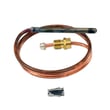
| Pilot lights but drops when you release the button | Thermocouple signal | Nat gas th 100108267 |
| No spark or unreliable ignition | Igniter/pilot ignition | Water heater pilot igniter 100110936 |
| Pilot flame is weak or unstable | Pilot assembly | Water heater pilot assembly 100112330 |
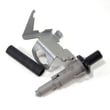
| Burner will not stay on or control is erratic | Gas control valve | Water heater natural gas valve 100093794 |
Pilot and combustion problems can lead to repeated shutdowns, no hot water, and unsafe operating conditions. The manual also notes the Flame Lock safety system can shut off gas supply during a flammable vapor incident, permanently disabling the heater, so correct diagnosis and safe operation are critical.
Last updated: February 2026