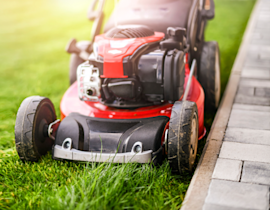





What brand of engine is in the Craftsman lawn mower?
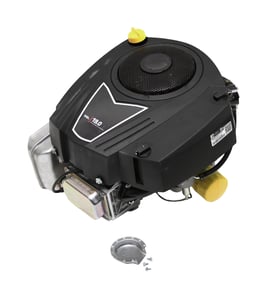
For Craftsman engine model 143973509, the engine is a Tecumseh-built small engine (the “143” model prefix is commonly associated with Tecumseh). If you are identifying a complete Craftsman mower (not just the engine), Craftsman also used engines from other makers on different mower models.
Use the engine’s ID tag, not the mower deck label. Check these common locations:
- Blower housing (recoil starter shroud)
- Valve cover area
- Near the spark plug
- On the engine block near the muffler
- On a sticker or stamped pad near the carburetor
If the tag shows 143973509, you are matching the engine model itself, which points to Tecumseh.
Craftsman sourced engines from multiple manufacturers over the years. Here is a quick guide:
| What you have | What it usually indicates | Best way to verify |
|---|---|---|
| Engine model starts with 143 | Tecumseh-built engine | Engine model tag (example: 143973509) |
| Briggs & Stratton labeled engine | Briggs & Stratton engine | Briggs model-type-code on shroud |
| Kohler labeled engine | Kohler engine | Kohler spec number plate |
| Kawasaki labeled engine | Kawasaki engine | Kawasaki model/spec tag |
The engine brand determines the correct carburetor parts, ignition parts, and tune-up items. For example, this 143973509 engine uses model-matched parts such as the needle seat 631021B and primer 36045A, which are critical for fuel delivery and starting.
Last updated: February 2026
Is it worth repairing a lawn mower engine?
Yes, it’s worth repairing a Craftsman lawn and garden engine model 143973509 when the problem is external and serviceable (fuel delivery, air intake, ignition, or starting). If the engine has major internal damage (crankshaft, piston, cylinder wear), replacement is usually the better value.
We use these practical checkpoints before buying parts or tearing the engine down:
- Starts but runs rough or surges: repair is usually worth it (carburetor cleaning or rebuild).
- Won’t start after storage: repair is usually worth it (fuel line, primer, air filter, carb parts).
- Pull cord won’t retract or is broken: repair is usually worth it (starter rope or recoil parts).
- Knocking, seized, or low compression symptoms: replacement is usually the better value.
- Repair cost near half the cost of a comparable mower/engine: replacement is usually the better value.
These are the most common, lower-cost repairs that often bring an engine back to life:
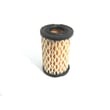
- Replace a clogged air filter such as the troybilt lawn & garden equipment engine air filter 35066
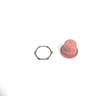
- Replace a cracked primer bulb such as the primer 36045A
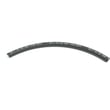
- Replace hardened fuel line such as the Craftsman lawn & garden equipment engine fuel line 29774
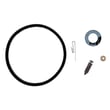
- Rebuild the carburetor using the Craftsman lawn and garden engine carburetor rebuild kit 632592
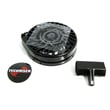
- Replace a broken pull cord using the Craftsman lawn & garden equipment engine recoil starter rope, 98-in 590535
| Situation | Typical parts involved | Usually worth it? |
|---|---|---|
| Old fuel, varnished carb | fuel line, primer, carb kit | Yes |
| Air restriction | air filter, breather filter | Yes |
| Recoil won’t pull or retract | starter rope, recoil pulley/housing | Yes |
| Internal mechanical damage | crankshaft, piston, rod | No |
Small-engine repairs pay off when you’re restoring normal fuel, air, and spark. Once internal parts are damaged, labor and parts add up fast, and you still end up with an older engine at the end of the job.
Last updated: February 2026
What are the common problems with Craftsman lawn mowers?
The most common problems we see on Craftsman mower engines like model 143973509 are no-start or hard-start issues from stale fuel, restricted airflow, or carburetor fuel-delivery problems; starting-and-dying is also common when the carburetor is dirty or the fuel line is leaking.
- Won’t start (no pop at all): old fuel, fouled spark plug, ignition issue, or a kill/stop wire problem
- Starts then dies: clogged carburetor passages, sticking float/needle, or fuel cap venting issue
- Runs rough or surges: air leak at carb gasket, dirty carburetor, or restricted air filter
- Needs lots of priming: cracked primer bulb or fuel line leak
- Fuel smell or wet carb area: leaking bowl gasket/O-ring, stuck float, or damaged needle seat
- Drain old fuel and refill with fresh fuel.
- Inspect and replace the air filter if it is dirty or oil-soaked; use the troybilt lawn & garden equipment engine air filter 35066.
- Check the primer bulb for cracks and stiffness; replace the primer 36045A if it will not spring back.
- Inspect the fuel line for brittleness, cracks, or loose fit; replace the Craftsman lawn & garden equipment engine fuel line 29774 if it seeps or feels hard.
- If it starts only with priming or dies under load, plan on carburetor service (cleaning or rebuild).
If your 143973509 engine floods, leaks fuel, or starts then dies, these parts are frequent fixes:
- Needle seat 631021B
- Float 632019A
- Lawn mower o-ring 631028A
- Craftsman lawn and garden engine carburetor rebuild kit 632592
| What you notice | Most likely cause | Part to consider |
|---|---|---|
| Fuel dripping from carb | float/needle not sealing | Needle seat 631021B or float 632019A |
| Primer won’t work well | cracked or hardened bulb | Primer 36045A |
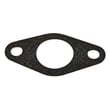
| Engine hunts/surges | air leak at carb mounting | Craftsman lawn and garden equipment engine carburetor gasket 26756 |
| Fuel line looks cracked | air leak or fuel leak | Craftsman lawn & garden equipment engine fuel line 29774 |
Small-engine problems often stack up: a restricted air filter, a tiny fuel leak, and a slightly dirty carburetor can turn into hard starting, stalling, and poor power. Fixing the basics first prevents repeat no-start issues and helps the engine run cooler and more consistently.
Last updated: February 2026