


How to check air conditioner model number?
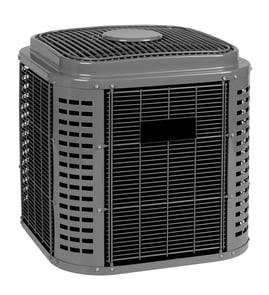
For your York central air conditioner condensing unit model H2DH048S06A, the model number is printed on the unit’s rating plate (data tag). On most outdoor condensing units, that label is on the cabinet exterior near the service panel or inside the control-access panel.
Where to look on a York outdoor condensing unit
Check these common rating-plate locations (power off first):
- Outside of the cabinet on a side panel near the electrical service panel
- Inside the control-access panel (remove the screws and lift off the panel)
- Near the refrigerant line connections (where the copper lines enter the unit)
- On the back side of the cabinet (harder to see if the unit is close to a wall)
What to write down (so you get the right parts)
On the label, capture the full information exactly as shown:
- Model number (example format: H2DH048S06A)
- Serial number (used to identify production run and sometimes revision)
- Product number or unit code (if listed)
- Electrical ratings (volts, phase, minimum circuit ampacity, max fuse/breaker)
Quick field guide: model vs. serial
| Item | What it tells you | Why we need it |
|---|---|---|
| Model number | The exact unit design family | Matches the correct parts list and diagrams |
| Serial number | Build date/series details | Helps avoid ordering a part that changed mid-production |
Why it matters
York central air conditioner parts can vary by revision even when units look identical. Using the complete model number (and serial number when available) prevents mismatches for common repairs like contactor, capacitor, fan motor, or control wiring.
If the label is missing or unreadable
- Look for a second label inside the access panel
- Check for a stamped plate or faded imprint on the cabinet
- Use the model number format from your paperwork, then confirm it against the unit tag before ordering
For more help identifying the correct model number format, use how to find your appliance model number (and what it means for parts).
Last updated: February 2026
What AC parts are most commonly replaced?
For the York H2DH048S06A condensing unit, the most commonly replaced items are the electrical start/run components and moving parts that wear over time, plus refrigerant-circuit components when leaks or restrictions occur. In many repairs, the root cause is airflow, power, or a failing motor rather than the thermostat.
Most common AC parts that get replaced
- Dual run capacitor (or separate start/run capacitors)
- Contactor (outdoor unit relay)
- Condenser fan motor
- Fan blade
- Compressor (less common, but high-impact when it fails)
- Refrigerant-related components (service valves, filter drier, leak repairs)
Quick symptoms-to-part cheat sheet
| What you notice | Common suspect part | What we check first |
|---|---|---|
| Outdoor unit hums but fan will not spin | Capacitor, fan motor | Power at disconnect, capacitor bulge/leak, motor shaft play |
| Outdoor unit will not start at all | Contactor, capacitor | 24V call for cooling, pitted contacts, loose wiring |
| Fan runs but little or no cooling | Refrigerant issue, compressor issue | Filter/airflow, coil cleanliness, temperature split |
| Breaker trips on startup | Compressor, capacitor, wiring | Amp draw, capacitor value, wire insulation damage |
Why these parts fail most often
Electrical parts like capacitors and contactors cycle on and off every time your system runs; heat, vibration, and power surges shorten their life. Motors and fan blades wear from constant operation and outdoor exposure. Refrigerant problems usually trace back to leaks, contamination, or restrictions.
What we recommend before ordering parts
- Shut off power at the disconnect and breaker before opening the unit.
- Inspect for obvious issues: burnt wires, swollen capacitor, loose spade connectors.
- Test safely with a meter when needed (voltage, resistance, capacitance).
- Confirm the exact model tag reads H2DH048S06A so you match the correct replacement.
- Use our model-based lookup on Sears PartsDirect to find the right York parts by diagram.
Safety note for central AC repairs
Capacitors can hold a charge even with power off, and refrigerant work requires proper tools and handling. For compressor, refrigerant, or high-voltage diagnostics, we recommend using a qualified technician.
Last updated: February 2026
What is the most expensive part to replace on an AC unit?
For a York H2DH048S06A condensing unit, the compressor is typically the most expensive single part to replace because it is the core component that pumps refrigerant through the system; compressor replacement often drives the highest parts and labor cost on central AC repairs.
What usually costs the most (and why)
In most central air conditioners, these repairs tend to be the biggest-ticket items:
- Compressor: highest-cost component; replacement often includes refrigerant recovery, evacuation, and recharge
- Outdoor coil (condenser coil): expensive part plus significant labor if the coil is hard to access
- Control board (on some systems): can be costly when the unit uses advanced electronics
- Fan motor: moderate-to-high cost; can add up with labor and a new capacitor
- Refrigerant leak repair: cost varies widely; the labor to find and fix the leak is often the main driver
Quick cost comparison (typical ranges)
Actual pricing depends on capacity, refrigerant type, and local labor rates, but this is the usual ranking.
| Repair item | Typical cost impact | Notes |
|---|---|---|
| Compressor | Highest | Often the deciding factor on repair vs. replace for older systems |
| Outdoor coil | High | Coil cost plus labor; may also involve refrigerant work |
| Control board | Medium to high | More common on newer, more complex equipment |
| Fan motor | Medium | Frequently replaced with a capacitor as well |
| Capacitor/contactor | Low | Common, relatively affordable electrical repairs |
How we recommend deciding: repair vs. replace
Use these practical checkpoints before investing in a major repair:
- System age: central AC units typically last 15 to 20 years
- Compressor condition: a grounded or seized compressor usually means a major repair
- Refrigerant situation: repeated leaks or contamination increases long-term cost
- Warranty coverage: check your warranty paperwork for compressor or parts coverage
- Overall condition: heavy corrosion, damaged coil fins, or repeated electrical failures point to bigger issues
Why it matters
The compressor is the “heart” of the refrigeration circuit. When it fails, the repair is not just the part; it often includes specialized HVAC labor steps (refrigerant handling, vacuum, recharge) that raise the total cost.
For safe DIY electrical checks that can help you rule out simpler failures (like a bad capacitor or blown fuse) before assuming the compressor is bad, use our guides: how to tell if a fuse is blown and how to use a multimeter to test electrical parts video.
Last updated: February 2026