Installation guide
 Owner’s manual



Are Electrolux appliances considered high end?
Yes. Electrolux appliances are generally considered premium (high-end) in the mainstream market, and the Electrolux EFLS617STT0 washer fits that reputation with a focus on strong cleaning performance, refined design, and feature-driven operation (typical of Electrolux front-load laundry).
What “high end” usually means for an Electrolux washer
When customers call a washer “high end,” they usually mean a combination of build quality, wash results, and convenience features.
- Strong wash performance with fabric-care focused cycles
- Quieter operation compared with many basic models
- More advanced controls and cycle options than entry-level washers
- Higher typical purchase price than value brands
- Better fit-and-finish (door, dispenser, control panel feel)
For model-specific operating details (cycle options, cleaning recommendations, and care), use the EFLS617STT0 use & care manual.
How Electrolux typically compares to other tiers
Electrolux usually sits above entry-level brands and competes in the premium mainstream space.
| Tier (typical) | What you usually get | Who it fits |
|---|---|---|
| Entry-level | Basic cycles, fewer options | Lowest upfront cost |
| Premium mainstream (Electrolux) | More features, better refinement | Most homeowners wanting “nice but practical” |
| Luxury | Pro-style, specialty features | Design-forward, top-budget buyers |
Why it matters
A “high-end” washer like the EFLS617STT0 is often worth it if you want better fabric care, lower noise, and more cycle flexibility. It also means using the right detergent amount and doing routine maintenance to keep performance consistent.
Maintenance tip that protects performance
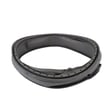
Front-load washers stay at their best when the door seal area is kept clean and dry. If you ever need to address leaks or odor around the door opening, the door seal component is the washer door boot 5304505004.
Last updated: January 2026
What are the common problems with Electrolux washing machines?
On the Electrolux EFLS617STT0 washer, the most common problems we see are not starting, not draining, leaking, not spinning well, not filling, dispenser issues, door not latching, and excessive vibration. Many of these are caused by a drain restriction, a worn door seal, or a suspension or leveling issue.
Quick checks we recommend first
- Confirm the outlet has power and the washer is fully plugged in.
- Close the door firmly; remove laundry caught at the door opening.
- If there’s standing water, check the drain path and clean the pump filter.
- If you see water at the front, inspect the door boot for tears or debris.
- Make sure both water supply valves are fully open and hoses are not kinked.
- Use the correct amount of HE detergent to prevent oversudsing and long drains.
Common symptoms and likely causes (EFLS617STT0)
| Symptom | What it often means | Parts commonly involved |
|---|---|---|
| Will not drain | Clogged filter, drain hose restriction, weak pump | Washer drain pump filter 5304505165, washer drain pump assembly 5304514775 |
| Leaks from front | Door boot torn, clamp loose, debris on seal | Washer door boot 5304505004, washer door boot spring clamp 134616300 |
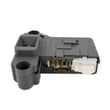
| Door won’t latch or starts then stops | Strike misaligned or damaged, door not closing fully | Frigidaire washer door strike 5304505088 |
| Shakes or walks on spin | Unbalanced load, washer not level, worn shocks | Washer single stage shock absorber 137412601, washer leveling leg 134639100 |
Why it matters
Drain and leak problems can lead to odors, poor cleaning, and water damage. Vibration issues can wear suspension parts and make the washer noisy. Addressing the root cause early usually prevents bigger repairs.
Model-specific help
For error displays, cycle behavior, and cleaning steps, follow the EFLS617STT0 use & care manual. For vibration and walking, use the leveling and setup steps in the EFLS617STT0 installation guide.
Last updated: January 2026
What is the life expectancy of an Electrolux washing machine?
An Electrolux washing machine such as model EFLS617STT0 typically lasts 10 to 13 years in normal household use. That estimate is for modern residential washers as a category (not a model-specific specification); good installation and routine cleaning help you reach the full service life.
Typical lifespan and what it assumes
Most washers land in the same general range, but usage patterns change the outcome.
- Average household use (several loads per week)
- Proper leveling to reduce vibration
- Correct HE detergent amount (no oversudsing)
- Periodic cleaning to prevent odor and residue
- No chronic overloading
For Electrolux model-specific care routines and cleaning guidance, follow the EFLS617STT0 use & care manual.
What shortens washer life fastest
These are the most common “wear accelerators” we see across front-load washers.
- Overloading or washing heavy items too often
- Running many cycles per day (high cycle count)
- Leaving moisture trapped in the door area (mildew and seal wear)
- Ignoring slow-drain symptoms until the pump is strained
- Operating unlevel (excess tub movement and suspension wear)
Wear items that can affect longevity
Replacing a worn part can extend usable life when the rest of the machine is in good shape.
| Area | What you notice | Example compatible part for EFLS617STT0 |
|---|---|---|
| Door seal area | Leaks at the front, mildew odor | Washer door boot 5304505004 |
| Drain system | Slow drain, won’t drain, grinding | Washer drain pump filter 5304505165 |
| Vibration control | Banging or excessive vibration in spin | Washer single stage shock absorber 137412601 |
Why it matters
Knowing the typical 10 to 13 year service life helps you decide whether maintenance or a targeted repair (door boot, drain filter service, shock absorber replacement) is cost-effective as the washer ages.
Last updated: January 2026