
What is the most common part to fail on a furnace?
On a Thermal Zone gas furnace like model GD072K12A, the most common “failure point” we see is the air filter becoming clogged (it is a consumable), followed by ignition-safety items such as the flame sensor or hot surface igniter, and then control items like the thermostat or a blown fuse on the control board.
Most common furnace trouble spots (in order)
- Air filter: Restricts airflow, overheats the heat exchanger area, and triggers safety shutdowns.
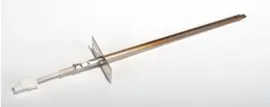
- Flame sensor: Gets dirty and stops proving flame, so the gas valve shuts off.
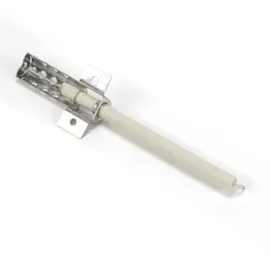
- Hot surface igniter (or pilot/ignition system): Prevents burner ignition.
- Thermostat or thermostat wiring: No call for heat, short cycling, or intermittent heat.
- Furnace fuse or breaker issue: Cuts power to the control circuit.
- Pressure switch or venting issue: Draft problems stop the ignition sequence.
Quick checks we recommend before replacing anything
- Set the thermostat to HEAT and raise the setpoint 3 to 5 degrees.
- Replace the air filter and confirm all supply and return vents are open.
- Verify the furnace has power (service switch on, breaker on).
- If the burners light then shut off quickly, clean the flame sensor.
- If the inducer runs but burners never light, suspect the igniter, pressure switch, or venting.
Symptom-to-part cheat sheet
| What you notice | Most likely culprit | What it means |
|---|---|---|
| Runs briefly, then shuts off | Dirty flame sensor | Flame not being “proven” |
| Blower runs, no heat | Ignition system issue | Burners never light |
| Starts and stops often | Dirty filter or airflow issue | Overheating or limit switch opening |
| Completely dead | Fuse, breaker, or control issue | No control power |
Why it matters
A furnace is designed to shut down when it detects unsafe conditions (overheat, poor draft, or no proven flame). That is why simple items like a clogged filter or a dirty flame sensor can look like a major breakdown.
Finding the right replacement part
We match parts by exact model and component type (for example: flame sensor, igniter, pressure switch, control board). Start with the parts list for GD072K12A; if you are searching across models, use Sears PartsDirect.
Last updated: February 2026
Is it worth fixing a 20 year old furnace?
For a Thermal GD072K12A Zone gas furnace that’s around 20 years old, it’s worth fixing only when the problem is minor and the repair cost is low; for major failures or repeated breakdowns, replacement is the better long-term value because most furnaces have a typical lifespan of 15 to 30 years.
Quick decision checklist
- Fix it if it’s a simple service item (dirty flame sensor, loose wire, clogged filter, weak igniter).
- Replace it if you’ve had frequent repairs in the last 1 to 2 heating seasons.
- Replace it if the repair involves the heat exchanger or you have combustion or venting concerns.
- Replace it if the repair estimate is 30% to 50% of the cost of a new furnace.
- Fix it if the furnace is otherwise reliable and the issue is isolated (one-time failure).
What “minor” vs “major” usually means
| Issue type | Common examples | Typical outcome |
|---|---|---|
| Minor | Flame sensor cleaning, thermostat wiring repair, replacing a fuse, replacing an igniter | Repair is usually worth it |
| Moderate | Blower motor or control board issues, inducer problems | Depends on total cost and recent repair history |
| Major | Heat exchanger failure, chronic rollout/combustion problems, repeated lockouts | Replacement is usually the smarter choice |
Why it matters
At 20 years, efficiency and reliability are the deciding factors. Even if your GD072K12A still heats, an older furnace can cost more over time through higher fuel use, more service calls, and longer downtime during cold weather.
Practical next steps we recommend
- Compare the repair quote to the cost of replacement (use the 30% to 50% guideline).
- Track how often it has failed recently; repeated no-heat calls point to end-of-life.
- If you suspect an electrical issue, use safe testing steps from how to use a multimeter to test electrical parts video.
- If you need to confirm you’re shopping the correct model, use how to find your appliance model number (and what it means for parts).
- For parts lookup and ordering by model number, start with the parts list for GD072K12A or search on Sears PartsDirect.
Last updated: February 2026
What is the most expensive part to fix on a furnace?
On a Thermal Zone gas furnace model GD072K12A, the most expensive repair is typically the heat exchanger because it is labor-intensive and often requires significant disassembly and setup. Other high-cost repairs commonly include the blower motor, control board, and draft inducer assembly.
Most expensive furnace repairs (typical)
These are the repairs that most often drive the highest total bill (parts plus labor):
- Heat exchanger replacement (often the top-cost repair)
- Blower motor replacement (airflow and comfort issues)
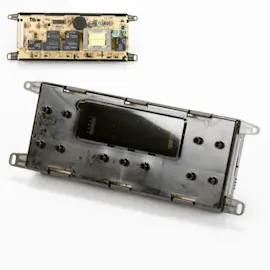
- Furnace control board replacement (no-heat, intermittent operation)
- Draft inducer motor/assembly replacement (venting and ignition sequence)
- Gas valve replacement (fuel delivery and ignition reliability)
What usually makes a repair “expensive”
Cost is rarely just the part price. It is usually a combination of access, time, and setup.
| Cost driver | Why it increases the total cost | Common examples |
|---|---|---|
| Labor time | More disassembly, more reassembly, more testing | Heat exchanger, blower assembly |
| Safety checks | More verification steps after repair | Gas valve, venting/inducer |
| Diagnostic complexity | More time to confirm the root cause | Control board, wiring faults |
| System age/condition | Rust, seized fasteners, brittle wiring | Heat exchanger area, burners |
How we recommend deciding: repair vs. replace
We use these practical checkpoints before investing in a major repair:
- Confirm the failure with a complete diagnosis (not just a symptom).
- Compare total repair cost to the furnace’s remaining expected service life.
- Check for repeat failures (for example, repeated overheating can damage multiple components).
- Address root causes (dirty filter, blocked return air, weak capacitor, loose wiring).
- Price parts by model number so you are comparing the correct components for GD072K12A.
Why it matters
High-cost furnace repairs often involve core heating or airflow components. Getting the diagnosis right prevents replacing a control board, inducer, or blower motor when the real issue is a limit switch trip, poor airflow, or a wiring problem.
Ordering parts
We recommend using the parts list for Thermal Zone GD072K12A first; if you need to broaden your search by model number or category, use Sears PartsDirect.
Last updated: February 2026
Where is the reset button on the thermal zone furnace?
On the Thermal Zone GD072K12A gas furnace, the “reset” is usually a small manual-reset safety switch inside the cabinet, most often near the burner area (rollout switch) or on/near the blower housing (limit switch). You access it by removing the service panel, not from the thermostat.
Where to look on the GD072K12A
After turning power off at the furnace switch or breaker, remove the front panel(s) and check these common reset locations:
- Burner compartment: small round or rectangular switch near the burners; often a rollout safety
- Blower compartment: high-limit switch mounted on the furnace body or near the heat exchanger area
- Control board area: some furnaces have a diagnostic LED and a resettable fuse, but the “reset button” people mean is usually a safety switch
If you are not sure you have the correct model, use how to find your appliance model number (and what it means for parts) to confirm the GD072K12A tag before ordering parts.
What the reset button does (and why it trips)
A manual-reset safety switch trips because the furnace detected an unsafe condition. Common causes include:
- Dirty or restrictive air filter causing overheating
- Closed or blocked supply/return vents
- Blower not running correctly (motor, capacitor, wheel, or control issue)
- Blocked flue or intake (venting problem)
- Burner flame rollout due to combustion or draft issues
Quick symptom-to-cause guide
| What you notice | What it often points to | What we do first |
|---|---|---|
| Furnace starts then shuts off quickly | Overheat or flame-safety trip | Check filter and airflow |
| Blower runs but no heat | Ignition or flame-sensing issue | Check diagnostic light pattern |
| No response at all | Power or control issue | Check breaker, door switch, fuse |
Safe reset steps we recommend
- Turn power off to the furnace for safety.
- Remove the access panel and locate the small safety switch with a center button.
- Press the button once until it clicks (if it was tripped).
- Restore power and call for heat at the thermostat.
- If it trips again, stop resetting and correct the underlying airflow, venting, or burner issue.
Why it matters
Repeatedly resetting a tripped limit or rollout switch can mask an overheating or combustion problem. Fixing the root cause protects the heat exchanger, control board, and gas valve, and helps prevent no-heat breakdowns.
For replacement parts and model-based lookup, start with the parts list for GD072K12A, or search by model on Sears PartsDirect.
Last updated: February 2026