Owner’s manual
 View engine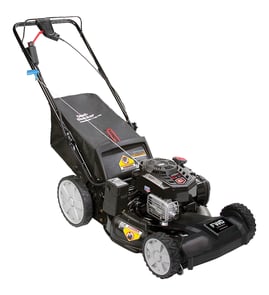





Are gas lawn mowers being phased out?
Gas walk-behind mowers like the Craftsman 247384260 are not being phased out everywhere at once, but the market is shifting toward battery-electric models due to local emissions rules, noise limits, and consumer preference for lower-maintenance equipment. Gas mowers remain widely supported for parts and service.
What to expect for Craftsman 247384260 owners
Even as more homeowners switch to electric, we still see strong ongoing support for common wear items and hardware on gas walk-behind mowers.
- Keep your mower reliable with routine maintenance (oil changes, blade care, air filter service)
- Stock common consumables before peak season (blade, spark plug, air filter)
- Use the correct fasteners and handle hardware when repairing or reassembling
- Follow safe-operation and storage steps to prevent hard-start and fuel issues
For model-specific operation, maintenance intervals, and safety rules, use the Craftsman 247384260 owner's manual.
Why some areas are moving away from gas
Local and state policies vary, but the main drivers are consistent across the industry.
| Driver | Why it matters to homeowners | Typical impact |
|---|---|---|
| Emissions rules | Reduces small-engine exhaust | Limits new sales in some locations |
| Noise restrictions | Quieter neighborhoods | Encourages electric adoption |
| Maintenance expectations | Fewer tune-ups with electric | Shifts demand away from carbureted engines |
| Retail assortment changes | More shelf space for batteries | Fewer gas models on display |
Practical guidance if you plan to keep using gas
Good storage and tune-up habits matter more than the broader market trend.
- Use fresh fuel and avoid storing gasoline from one season to the next
- If storing longer than 30 days, follow the manual’s storage steps to protect the engine
- Keep the blade sharp and balanced to reduce vibration and improve cut quality
- Inspect controls and cables for smooth operation
A helpful reference for blade maintenance is how to sharpen a lawn mower blade.
Why it matters
If gas mowers become less common in your area, the biggest day-to-day difference is new mower availability, not immediate loss of repairability. Keeping your Craftsman 247384260 maintained helps ensure long service life and easier parts replacement.
Last updated: January 2026
Are rear discharge mowers any good?
Yes. Rear discharge mowers are a solid choice because they drop clippings behind the mower, which helps keep debris away from fences, flowerbeds, and the operator. On the Craftsman 247384260, safe operation matters most: keep clear of the discharge opening and stop the blade before crossing gravel or pavement.
What rear discharge does well
- Drops clippings behind the wheels for a more even trail
- Helps reduce side spray into landscaping, walls, and walkways
- Works well when you want simple bagging or basic clipping control
- Keeps the discharge path generally aligned with where you already walked
Trade-offs to consider
Rear discharge is not automatically “better”; it is better for certain yards and mowing habits.
| Feature | Rear discharge | Side discharge |
|---|---|---|
| Where clippings go | Behind the mower | Out the side |
| Best for | Tight edges, mowing near beds | Heavy growth, fast clearing |
| Common downside | Can leave a trail you may step through | Can throw debris toward objects |
Safety and maintenance tips for the best results
The manual guidance for this mower focuses on preventing injury and keeping the deck clear so it mulches and discharges properly.
- Keep hands and feet away from rotating parts and the discharge opening
- Shut the engine off and wait for the blade to fully stop before unclogging the chute or removing the grass catcher
- After hitting a foreign object, stop the engine, disconnect the spark plug wire, and inspect for damage before restarting
- Scrape and clean the underside of the deck after each use to prevent buildup, rust, and poor mulching
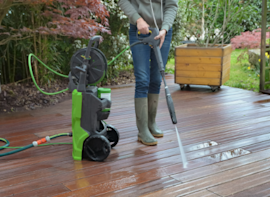
- Avoid washing the mower with a garden hose unless sensitive components are protected from water
For model-specific operating and safety details, use the 247384260 owner's manual.
Why it matters
Rear discharge can improve clipping control around landscaping, but only if the deck stays clean and the discharge area stays clear. Following the Craftsman 247384260 safety steps also reduces the risk of thrown objects and blade-related injuries.
Last updated: January 2026
Should I use 87 or 93 for lawn mower?
For the Craftsman lawn mower model 247384260, use fresh regular unleaded gasoline (87 octane AKI); 93 octane does not improve performance for normal mowing and can be an unnecessary expense. For safe fueling, storage, and maintenance details, follow the 247384260 owner's manual.
Recommended fuel choice (87 vs 93)
- Use 87 octane (AKI) for everyday operation.
- Skip 93 octane unless your engine manufacturer specifically requires it (most walk-behind mower engines do not).
- Buy fresh gas; fuel can degrade quickly and cause hard starting.
- Avoid old fuel in storage; the manual warns that gasoline left in the tank can form gum deposits and damage the engine.
- Use clean containers; rust or dirt in a gas can can create fuel system problems.
Fuel freshness and storage tips
The 247384260 manual emphasizes safe storage and preventing fuel-related engine damage.
- If storing the mower, run the engine until the tank is empty (engine stops) or treat fuel with stabilizer.
- Do not store gasoline from one season to the next.
- Store the mower outdoors or in a well-ventilated area if any gasoline remains in the tank.
Quick guide
| Situation | Best choice | Why |
|---|---|---|
| Weekly mowing | 87 octane | Correct octane for typical small engines; cost-effective |
| Hard starting after storage | Fresh 87 octane | Old fuel is a common cause of no-start |
| Seasonal storage | Drain or stabilize fuel | Helps prevent gum deposits and corrosion |
Why it matters
Using the right octane and keeping fuel fresh helps prevent common small-engine issues like hard starting, rough running, and carburetor varnish. It also supports the mower’s designed performance and reliability.
Last updated: January 2026