Owner’s manual
 Error Codes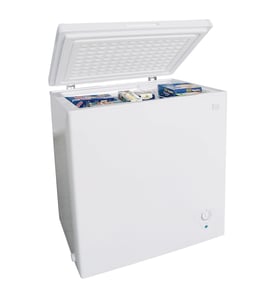




How do I know if my chest freezer is going bad?
If your Kenmore 11117552910 chest freezer struggles to hold safe freezing temperatures, runs almost constantly, or develops recurring frost and moisture problems, the cooling system or lid seal is often failing. Start by confirming the lid seals tightly and the freezer is level, then check basic power and temperature control settings in the owner's manual.
Signs your chest freezer is failing
- Food softens, refreezes, or shows heavy freezer burn (temperature swings)
- The freezer runs too long or seems to never cycle off
- Excessive frost buildup on interior walls or around the lid opening
- Moisture, sweating, or ice around the lid (poor seal or misalignment)
- Unusual clicking or frequent restarting (often electrical or control related)
- The cabinet feels warm in spots where it normally stays cool
Quick checks we recommend first (most common causes)
The manual calls out several non-part failures that can look like a “bad freezer.” Focus on these basics:
- Lid seal and alignment: If the freezer is not level, the lid can misalign and not seal properly, which causes cooling, frost, and moisture problems.
- Temperature control setting: A control set too warm can cause thawing; a control set too cold can cause over-freezing and heavy frost.
- Power supply: Make sure the plug is fully seated, and check the house breaker or fuse.
- Usage conditions: Hot room temperatures, frequent lid openings, or adding warm food can make the freezer run much longer.
What “normal” vs “not normal” looks like
| What you notice | Often normal | Often a problem |
|---|---|---|
| Long run times | After adding warm food or in a hot room | Runs constantly for days with little improvement |
| Frost | Light frost over time | Heavy frost quickly, especially near the lid |
| Temperature | Steady, consistently frozen | Soft food, refreezing, freezer burn |
Why it matters
A chest freezer that cannot maintain a stable temperature can spoil food and overwork the compressor, which increases energy use and can lead to a complete cooling failure.
Last updated: February 2026
How to reset freezer sensor?
On Kenmore chest freezer model 11117552910, the most reliable “sensor reset” is a power reset: unplug the freezer for about 30 seconds, plug it back in, then allow time for temperatures to stabilize. After restoring power, the freezer can take up to 4 hours to cool completely (longer if it was warm or heavily loaded). See the owner's manual for temperature control and operating guidance.
Quick reset steps (power reset)
- Make sure the lid is fully closed and sealing.
- Unplug the freezer from the grounded 3-prong outlet.
- Wait 30 seconds.
- Plug it back in; confirm the green Power On light is illuminated.
- Set the temperature control near the recommended setting (midway between 4 and 5).
- Wait several hours before making additional dial changes.
What to check if the alarm or temperature issue returns
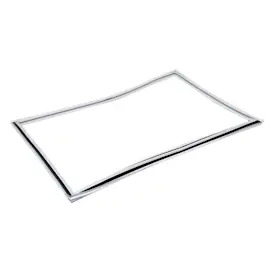
- Warm air leaks: A dirty, torn, or poorly seated lid gasket can cause long run times and warmer temps.
- Control setting: If items are too soft, turn the dial slightly colder (toward 8) and wait several hours.
- Recent power loss: Keep the lid closed; food can stay frozen for at least 24 hours if unopened.
- Loading habits: Avoid adding large amounts of unfrozen food at once; distribute packages evenly.
Timing guide after a reset
| Situation | What to expect |
|---|---|
| Just plugged in after reset | Compressor may run continuously at first |
| Normal cool-down | Up to 4 hours to cool completely |
| After changing the dial | Several hours for temperature to stabilize |
Why it matters
A chest freezer like the Kenmore 11117552910 does not typically have a user-accessible “sensor reset” button. Power-cycling clears many control glitches, and giving the system enough stabilization time prevents over-adjusting the temperature control.
Last updated: February 2026
What is the life expectancy of a chest freezer?
A chest freezer typically lasts 10 to 20 years, and many run about 16 years with normal use. For your Kenmore 11117552910 chest freezer, steady temperatures, a good lid seal, and basic upkeep (cleaning and defrosting when needed) are what most often push lifespan toward the high end.
What affects how long a chest freezer lasts
- Room conditions: Cooler, dry spaces help the compressor run less.
- How often the lid is opened: Fewer openings means less warm air and moisture entering.
- Defrost and moisture control: Heavy frost buildup makes the unit work harder.
- Cleaning habits: Keeping the cabinet clean and dry helps prevent odors and corrosion.
- Power events: Repeated outages and surges can shorten component life.
Maintenance habits that help you reach the high end of the range
Use these habits as a simple longevity checklist:
- Keep the freezer level so the lid closes evenly.
- Wipe spills promptly and keep packaging from interfering with lid closure.
- Defrost when frost buildup starts reducing usable space or lid closure.
- Avoid overloading with warm food; the manual recommends waiting for full cool-down before loading unfrozen food.
- During long non-use periods, follow the cleaning and lid-open storage guidance in the owner's manual.
Quick reference: lifespan and what to do
| What you notice | What it usually means | What we recommend |
|---|---|---|
| Runs almost constantly | Warm room, heavy frost, poor lid seal, or airflow issues | Reduce openings, defrost, confirm lid closes fully |
| Frost builds up quickly | Moist air entering (often from frequent openings or lid not sealing) | Check lid seal and loading habits |
| Temperature swings | Control setting, lid openings, or developing component issue | Verify settings and loading; monitor for changes |
Why it matters
A chest freezer can keep food safely frozen for long periods, but only if it can cool down properly and maintain stable temperatures. The Kenmore use and care guidance (cool-down time, loading limits, cleaning, and storage tips) supports both food safety and longer component life.
Last updated: February 2026
Where is the model number on a Kenmore chest freezer?
For Kenmore chest freezer model 11117552910, the model and serial number label is on the left exterior wall of the freezer cabinet. This is the fastest place to check when you need the exact model number for parts lookup, documentation, or troubleshooting.
Where to look (in order)
- Check the left exterior wall of the cabinet first (chest-freezer location).
- Look for a serial plate or rating label that lists both model and serial.
- Use a flashlight and read the full number exactly as printed.
- Take a photo and zoom in if the print is small or faded.
- Record both numbers and keep them with your appliance paperwork.
Chest vs. upright: label locations
The Use and Care information distinguishes label placement by freezer style:
| Freezer style | Label location |
|---|---|
| Chest freezer (like 11117552910) | Left exterior wall |
| Upright freezer | Upper left wall inside the freezer |
You can confirm these locations and see other identification tips in the 11117552910 owner's manual.
Cleaning the label so it stays readable
- Clean the serial plate with soap and water only.
- Avoid abrasive pads and strong cleaners that can remove printed numbers.
- Dry the area after cleaning to prevent smearing or peeling.
Why it matters
We use the full model number to match the correct Kenmore chest freezer parts and documentation. A single digit difference can change which components fit and which instructions apply.
Last updated: February 2026