Error Codes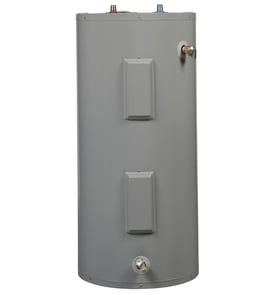



How much should a 40 gallon electric water heater cost?
A 40-gallon electric water heater typically costs about $400 to $2,000 for the unit, and about $600 to $1,600+ installed once labor and required materials are included. For a State electric water heater like model ES666DOCT, the final price depends most on efficiency level, warranty length, and installation complexity.
Typical price ranges (unit vs. installed)
| Cost item | Typical range | What changes the price most |
|---|---|---|
| Water heater unit (40-gallon electric) | $400 to $2,000 | Efficiency, warranty, brand tier |
| Installation labor | $200 to $600+ | Local rates, time on site, access |
| Total installed cost | $600 to $1,600+ | Code upgrades, parts, permits |
What can increase the installed price
These are the most common add-ons that raise the total:
- Permit and inspection fees (varies by area)
- Electrical updates (breaker, wiring, disconnect)
- New shutoff valve or supply piping
- Expansion tank or other code-required accessories
- Pan and drain line (especially in finished spaces)
- Haul-away and disposal of the old tank
Quick buying checklist (what to compare)
When you compare 40-gallon electric water heaters, we recommend focusing on:
- Voltage and wattage compatibility with your home’s electrical service
- Energy efficiency rating (higher efficiency usually costs more upfront)
- Warranty length (often tied to tank and anode protection)
- First-hour rating / recovery rate (how fast it reheats)
- Fit and connections (height, diameter, inlet/outlet location)
Why it matters
A low unit price can turn into a higher installed price if the job needs electrical or plumbing updates. Planning for common installation add-ons helps you avoid surprises and keeps your hot water downtime shorter.
Related repair and maintenance help
If you are pricing a replacement because of performance issues (no hot water, fluctuating temps, overheating), these guides help you decide whether repair makes sense:
- No hot water electric water heater troubleshooting video
- Water heater fluctuating water temperatures
- How to replace an electric water heater thermostat
Last updated: January 2026
What is the downside of an electric tankless water heater?
An electric tankless water heater can be a poor fit when you need high hot-water flow at multiple fixtures; it often requires expensive electrical upgrades, and performance drops when demand spikes. For a tank-style unit like the State ES666DOCT, many owners prefer repairing common heating parts instead of switching.
Key downsides to know
- Electrical upgrades are common: many homes need a higher-amp service panel, new breakers, and heavier-gauge wiring.
- Flow rate limits show up fast: simultaneous showers, laundry, and dishwasher use can exceed what one unit can heat.
- Cold-water “sandwich” and lag: you still wait for hot water to reach the faucet, and temperature can fluctuate with changing flow.
- Higher upfront cost: the unit plus electrical work often costs more than repairing an electric tank heater.
- No hot water during power outages: electric tankless units stop heating immediately when power is out.
How it compares to a tank-style electric water heater
| Topic | Electric tankless | Electric tank (like ES666DOCT) |
|---|---|---|
| Hot water capacity | Unlimited in theory, limited by kW and flow | Stored hot water, then recovery time |
| Electrical demand | High (often multiple breakers) | Moderate (typically 1 or 2 elements) |
| Best use case | Low to moderate simultaneous demand | Families, multiple fixtures, steady demand |
| Typical “fix” when performance drops | Electrical/size upgrade | Replace element/thermostat |
When a tankless switch makes sense (and when it does not)
Usually makes sense if: you have low simultaneous hot-water use, short pipe runs, and adequate electrical capacity.
Usually does not make sense if: you regularly run multiple showers or appliances at once, or your panel/service would need major upgrades.
Why it matters
Choosing tankless for the wrong demand profile often leads to lukewarm water complaints and costly electrical rework. If your ES666DOCT is underheating or fluctuating, it is often more cost-effective to diagnose and repair the heating circuit first using parts such as the thermostat 100108683 or element 100108283.
Last updated: January 2026
What's the average lifespan of an electric hot water heater?
Most electric tank-style water heaters, including the State ES666DOCT, typically last 10 to 15 years. Lifespan depends most on water quality, how hard the heater works (household demand), and maintenance such as periodic tank draining and anode rod replacement.
Typical lifespan ranges
- Electric tank water heater: 10 to 15 years
- Electric tank water heater (excellent water quality + consistent maintenance): up to ~20 years
- Electric tankless water heater: 20+ years
What shortens (or extends) lifespan
A tank water heater usually fails from internal tank corrosion, heavy sediment buildup, or overheating that stresses components.
- Hard water and heavy sediment (more scale on the heating element)
- High temperature settings (more expansion and stress)
- Frequent high-demand use (more heating cycles)
- Lack of maintenance (sediment left in the tank, anode rod ignored)
- Leaks around fittings or the tank (often a sign the tank is nearing end of life)
Maintenance that helps you reach the high end of the range
These steps are common best practices for electric water heaters:
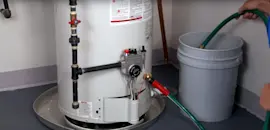
- Drain and flush a few gallons from the tank periodically to reduce sediment
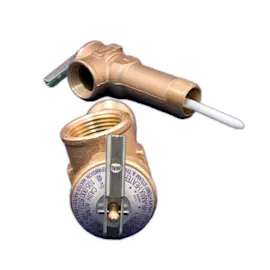
- Test the temperature and pressure relief valve periodically
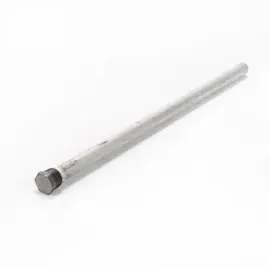
- Replace the anode rod when it is significantly depleted
- Keep the thermostat set to a practical temperature (many homes use about 120°F)
- If you have fluctuating temperatures, address it early to reduce stress on parts
Quick “repair vs. replace” guide
| What you’re seeing | What it often means | Typical next step |
|---|---|---|
| No hot water but tank is not leaking | Heating/control issue | Check/replace thermostat or element |
| Slow recovery or lukewarm water | Element scaled or failing | Replace heating element |
| Water too hot | Thermostat issue | Replace thermostat |
| Water around the base of the tank | Tank leak | Replace the water heater |
Parts that commonly get replaced before the tank fails
Replacing wear items can keep the ES666DOCT running longer when the tank itself is still sound.
- Thermostat 100108683 (upper temperature control)
- Thermostat 100108421 (lower temperature control)
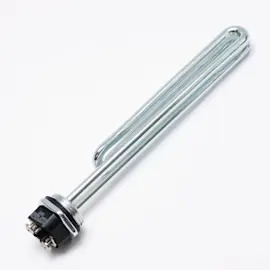
- Element 100108283 (heating element)
Why it matters
Knowing the typical 10 to 15 year lifespan helps you plan ahead. If your heater is already in that age range and you are seeing leaks, rust-colored water, or repeated heating failures, replacement planning usually saves time and prevents unexpected loss of hot water.
Last updated: January 2026