Owner’s manual
 View engine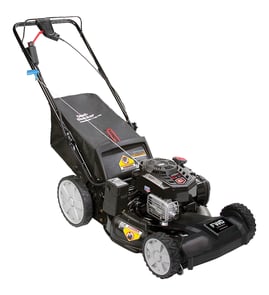
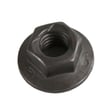


How to find Craftsman model number?
For Craftsman rotary lawn mower model 917377271, we list the model and serial number on a decal attached to the rear of the lawn mower housing. Once you have the model number, you can match the correct parts list and diagrams and order the right blade, belt, or drive parts.
Where to look on the mower
Check these common spots first (clean off grass and dirt so the decal is readable):
- Rear of the mower deck or housing (most common for this model)
- Near the rear discharge area or bagger mounting points
- On the deck surface near the engine mounting area
- On the handle support brackets (less common)
For the exact location and how it is labeled, use the owner's manual.
What you should write down
Record the information exactly as shown on the decal:
- Model number (example: 917377271)
- Serial number
- Date of purchase (helpful for maintenance records)
Why it matters
The model number identifies the exact Craftsman configuration (deck, drive system, and hardware). That prevents ordering a similar-looking part that does not fit, especially for wear items like a blade adapter, drive belt, or wheel-drive components.
Examples of parts that depend on the model number
| Part type | What the model number helps match | Example from this model’s parts |
|---|---|---|
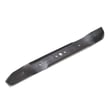
| Blade | Deck size and blade style | Lawn mower mulching blade 532406713 |
| Drive system | Belt length and drive setup | Belt 532157769 |
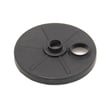
| Cutting system | Blade mounting pattern | Lawn mower blade adapter 581547901 |
Ordering tip
After you confirm the model number, order replacement parts from the parts list for model 917377271, or search by model on Sears PartsDirect.
Last updated: February 2026
Should I use 87 or 89 gas for lawn mower?
For the Craftsman rotary lawn mower model 917377271, use fresh, clean, regular unleaded gasoline with a minimum of 87 octane. Using 89 octane is fine, but it is not required for normal operation; 87 meets the mower’s fuel requirement (see the owner's manual).
What to use (and what to avoid)
- Use 87 octane or higher regular unleaded gas
- Buy only what you can use in about 30 days to keep fuel fresh
- Do not mix oil with gasoline
- Avoid old or stale fuel (it can cause hard starting and loss of power)
- For cold weather operation (below 32°F / 0°C), use fresh winter-grade gasoline
87 vs 89: quick comparison
| Fuel choice | Works in model 917377271? | When it makes sense |
|---|---|---|
| 87 octane (regular) | Yes (recommended minimum) | Everyday mowing, best value |
| 89 octane (mid-grade) | Yes | If 87 is unavailable or you prefer it |
Why fuel freshness matters more than octane
Most “won’t start” and “runs rough” complaints on walk-behind mowers come from stale fuel, water in fuel, or fuel that absorbed moisture during storage, not from using 87 instead of 89. Fresh fuel helps protect the carburetor and keeps starting consistent.
If the mower won’t start after fueling
Check these common items first:
- Confirm the tank has fresh gas (not last season’s)
- Make sure the spark plug wire is connected
- Check for a dirty air filter
- If the starter rope is hard to pull, inspect for a loose blade or damaged blade adapter
Parts and help for maintenance
If you’re servicing the cutting system while you’re at it, we stock model-matched parts like the lawn mower mulching blade 532406713 and the lawn mower blade adapter 581547901. You can also search by model number on Sears PartsDirect.
Last updated: February 2026
What is the average lifespan of 917377271?
A Craftsman walk-behind mower like model 917377271 typically lasts 8 to 10 years with normal residential use. Lifespan depends most on engine care (oil changes, clean air filter), keeping the deck clean, and replacing wear items like the blade and drive belt on schedule.
What most affects lifespan on model 917377271
- Oil maintenance: keep oil at the correct level and use the recommended viscosity for temperature.
- Air filter and spark plug: replacing them yearly helps the engine run cooler and last longer.
- Deck and engine cleaning: scraping grass buildup after each use prevents overheating and corrosion.
- Blade condition: a bent or dull blade increases vibration and stress on the crankshaft.
- Drive system wear: self-propelled components (belt, gears, wheels) wear faster on hills and rough lawns.
Maintenance checkpoints (simple schedule)
Use the maintenance schedule in the owner's manual and plan around these common intervals:
| Task | Typical interval | Why it matters |
|---|---|---|
| Check engine oil | Every mow | Prevents rapid engine wear |
| Clean underside of deck | Every mow | Reduces rust, improves cut |
| Replace spark plug | Yearly | Easier starts, better combustion |
| Replace air filter element | Yearly (more in dust) | Protects engine from grit |
| Inspect blade and adapter | Every mow | Prevents vibration and damage |
Parts that commonly extend mower life
Replacing worn parts early prevents bigger failures:
- Lawn mower mulching blade 532406713 when the blade is worn, bent, or won’t hold an edge
- Belt 532157769 if self-propel slows, slips, or squeals
- Lawn mower blade adapter 581547901 if the blade won’t stay tight or you see wobble
Why it matters
Most “short lifespan” complaints come from heat and abrasion: dirty cooling areas, low oil, and clogged filters make the engine run hotter, and grass buildup under the deck traps moisture. Consistent upkeep keeps performance steady and avoids premature engine wear.
Last updated: March 2026