


What are the drawbacks of a wine fridge?
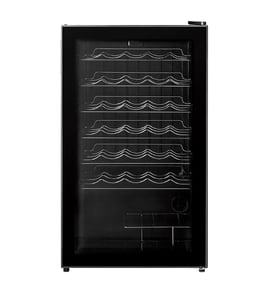
A wine fridge like the Viking VUWC140 keeps bottles at a steady serving temperature, but the main drawbacks are limited humidity control, compressor noise or vibration, capacity limits versus a cellar, and performance issues if the unit is installed where airflow and room temperature are poor.
- Humidity can run low in many wine fridges, which is a bigger concern for long-term cork storage.
- Noise and vibration (most noticeable with compressor systems) can be annoying in quiet rooms.
- Limited capacity; even larger units fill up quickly compared to a dedicated wine room.
- Temperature swings can happen if the door is opened often or the unit is in a hot area.
- Ventilation sensitivity; restricted airflow makes the cooler work harder and can shorten component life.
- Repair cost can be higher than a basic refrigerator because parts are more specialized.
| Factor | Why it matters | What to do about it |
|---|---|---|
| Humidity | Low humidity can dry corks over time | Store long-term bottles horizontally; avoid very dry locations |
| Vibration | Can disturb sediment in some wines | Place the unit on a solid, level surface |
| Ambient heat | Hot rooms reduce cooling performance | Keep it out of direct sun and away from heat sources |
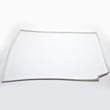
| Door sealing | Leaks cause temperature swings and longer run times | Inspect and replace the Viking range wine cooler door gasket PW230005 if it’s loose, torn, or hardened |
- Confirm the cabinet is level so the door closes consistently.
- Leave clearance for airflow around the unit (especially at the vent area).
- Keep the door closed as much as possible; organize bottles so you can grab quickly.
- Clean dust from vents and nearby surfaces so the system can shed heat.
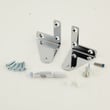
- If the door doesn’t align or sags, inspect the Viking range hinge assembly PW220004.
Most “wine fridge problems” come from installation conditions (heat, poor ventilation, frequent door openings) and door sealing. Fixing airflow and sealing issues helps stabilize temperature, reduces noise from longer run times, and protects wine flavor over time.
If you’re ordering replacement parts for your Viking VUWC140, use the parts list for this model or search by model number on Sears PartsDirect.
Last updated: February 2026
What is the most common problem with wine coolers?
The most common problem we see with wine coolers like the Viking VUWC140 is inconsistent cooling (the cabinet runs too warm, too cold, or swings in temperature). In most cases, the root cause is restricted airflow, a weak temperature control component, or warm air leaking in around the door seal.
- Dirty condenser coils causing poor heat release
- Blocked vents or overpacked shelves restricting airflow
- Door not sealing tightly (torn, warped, or loose gasket)
- Temperature control or sensor drifting out of range
- Fan or compressor struggling (often starts with louder-than-normal operation)
- Confirm the door closes squarely and does not bounce back.
- Clean airflow paths: vacuum dust from the front grille area and any accessible coil surfaces.
- Reduce load temporarily: leave space around bottles and cans so air can circulate.
- Stabilize the room conditions: avoid placing the unit next to an oven, dishwasher exhaust, or direct sun.
- Inspect the door seal: if it is cracked or flattened, replacement is a common fix (see Viking range wine cooler door gasket PW230005).
| Symptom | Most likely cause | What to check next |
|---|---|---|
| Runs but will not get cold enough | Dirty coils or poor airflow | Clean coils, improve spacing |
| Temperature swings up and down | Door leak or control issue | Check gasket, verify door alignment |
| Frost or moisture around the door | Warm air infiltration | Inspect gasket and hinge alignment |
| Loud buzzing or clicking | Compressor start components or strain | Check for overheating, airflow blockage |
Stable temperature protects flavor and carbonation. Even small swings force the compressor to cycle harder, which increases noise, energy use, and wear on cooling-system components.
- Viking range wine cooler door gasket PW230005 (warm air leaks, sweating, temperature swings)
- Viking range hinge assembly PW220004 (door alignment that affects sealing)
- Viking range drier assembly PW240003 (cooling-system service situations)
For model-specific replacement parts for your VUWC140, use the parts list for this model, or search by model number on Sears PartsDirect.
Last updated: February 2026
Are wine cooler fridges worth it?
Yes, a dedicated wine and beverage cooler is worth it when you want steadier temperatures than a kitchen refrigerator, less vibration, and storage designed for bottles and cans. For a Viking VUWC140 wine & beverage cooler, the value is best when you use it regularly and keep the door seal and hinges in good shape.
- You store wine for weeks or months and want more stable temperature control.
- You want a dedicated space for beverages so your main refrigerator stays less crowded.
- You frequently entertain and want quick access to chilled drinks.
- You have limited pantry space and prefer organized shelving for bottles.
- You want to reduce temperature swings from frequent kitchen fridge door openings.
A wine cooler pays off most when it fits your habits and your space.
- Capacity and layout: Make sure shelves fit the bottle types you actually store.
- Single zone vs dual zone: Dual zone is best if you routinely keep reds and whites at different serving temps.
- Door seal condition: A weak gasket causes warm spots, longer run times, and moisture issues.
- Door alignment: Sagging doors can prevent a tight seal.
- Noise and location: Any compressor unit will make some sound; placement matters.
| Feature | Best for | What you gain |
|---|---|---|
| Single zone | Mostly one wine style or canned drinks | Simpler setup and consistent temp |
| Dual zone | Reds and whites together | Two target temps in one cabinet |
| Solid door | Utility spaces | Less light exposure |
| Glass door | Display and convenience | Easy viewing, more door-open temptation |
Most “not cooling well” complaints come down to air leaks or door hardware. On the VUWC140, keeping the door sealing and closing correctly protects the cooling system from overwork.
If you notice condensation, temperature drift, or the door not closing firmly, these model-matched parts are common fixes:
We list replacement parts for Viking VUWC140 on this model page; you can also search by model number on Sears PartsDirect if you are working on multiple appliances.
Last updated: February 2026
What is the difference between a wine cooler and a beverage cooler?
A wine cooler is built to protect wine quality with steadier temperatures, lower vibration, and storage that supports corked bottles; a beverage cooler is built to chill a wider mix of drinks colder and faster with more flexible shelving. Your Viking VUWC140 is designed to handle both wine and beverages.
- Temperature range: Wine storage is typically kept warmer than soda or beer; beverage cooling is typically colder.
- Humidity and vibration: Wine cooling prioritizes stability to help protect flavor and cork condition.
- Interior layout: Wine coolers often use racks sized for bottles; beverage coolers use adjustable shelves for cans and bottles.
- Use case: Wine coolers focus on long-term storage; beverage coolers focus on quick access and variety.
Use these as practical starting points, then fine-tune based on taste and how full the cabinet is.
| Drink type | Common target range | Notes |
|---|---|---|
| Red wine | 55 to 65°F | Stable temp matters more than “cold” |
| White wine | 45 to 55°F | Chill without overcooling |
| Sparkling | 40 to 50°F | Often served colder |
| Beer/soda | 35 to 40°F | Colder, faster chilling is the goal |
Running a unit colder than needed can increase compressor run time and make door sealing more critical. If you notice temperature swings, condensation, or longer run times, check these common items:
- Door seal condition and alignment (a worn gasket can leak cold air)
- Door closing and hinge alignment
- Airflow inside the cabinet (avoid blocking vents with bottles/cans)
- Power connection quality (loose connections can cause intermittent operation)
If you’re troubleshooting sealing or door-closing issues on the VUWC140, the Viking range wine cooler door gasket PW230005 and Viking range hinge assembly PW220004 are common door-related parts to inspect.
We list model-matched replacement parts for Viking VUWC140 on this page; for broader model searches and ordering, use Sears PartsDirect.
Last updated: February 2026