Installation guide




What is the most expensive part to fix on a furnace?
On an Icp furnace like model GNE075B12G1, the most expensive single repair is typically a heat exchanger replacement because it is labor-intensive and directly tied to safe combustion and venting. Among the common serviceable parts, a blower motor or blower assembly and the control board are usually the priciest.
Typical “most expensive” furnace repairs (what to expect)
Costs vary by region and access, but these are the repairs that most often land at the top of the bill:
- Heat exchanger: usually the highest total cost due to major disassembly and setup checks
- Blower motor or complete blower assembly: high part cost plus wiring and airflow setup
- Control board (fan control/relay board): expensive electronics and diagnosis time
- Inducer/combustion air components (varies by design): can be costly when paired with venting corrections
- Burner/ignition components: typically mid-range unless multiple parts are replaced together
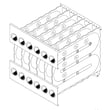
Model GNE075B12G1 parts on this page that can be high-cost repairs
If you are pricing out a repair for this specific furnace, these parts are commonly among the most expensive items customers replace:
Quick comparison (parts only)
| Repair category | Why it gets expensive | Example part on this model |
|---|---|---|
| Heat exchanger | Heavy labor; combustion and venting checks | Not listed in the parts shown here |
| Air mover (blower) | High part cost; setup and wiring | Blower assembly or blower motor |
| Controls | Diagnosis time; electronics cost | Fan control relay board |
Why it matters (safety and performance)
Major furnace repairs affect combustion air, venting, and temperature control. The installation guidance for this furnace emphasizes proper venting and safe service practices; incorrect work can create serious hazards. Use the installation guide for clearance, venting, and service requirements, and have a qualified technician handle combustion-related repairs.
Last updated: February 2026
What causes a furnace pressure switch to trip?
On the Icp GNE075B12G1 furnace, the pressure switch trips (opens) when the inducer cannot prove proper draft. The most common causes are venting or combustion-air problems, water or restrictions in the pressure hose/tubing, or an installation issue such as an incorrectly routed or kinked hose.
Common causes to check first
- Blocked or restricted flue/vent pipe (debris, ice, sagging sections, poor slope)
- Intake or combustion-air restriction (tight closet, blocked louvers, inadequate openings)
- Condensate backup (water in the pressure switch hose or drain issues on condensing setups)
- Cracked, loose, or kinked pressure switch tubing (the installation guide calls out checking for cracks during yearly maintenance)
- Inducer/combustion blower problem (weak motor, damaged wheel, or gasket leak)
- Pressure switch mounted or oriented incorrectly after a horizontal airflow change (relocation is required for certain left-to-right airflow installs)
Model-specific installation detail that often gets missed
Your installation requirements matter on this model. The installation guide explains that when the furnace is installed in a left-to-right airflow position (right side facing down), the pressure switch must be relocated to the left side using the provided holes, kept in the same orientation, and the hose trimmed to prevent kinking (without cutting it too short). A kinked or misrouted hose can make the switch trip even when the furnace is otherwise fine.
Quick troubleshooting checklist (safe, homeowner-level)
- Set the thermostat to OFF; turn off power to the furnace.
- Check the vent termination outside for blockage.
- Inspect the pressure switch hose for cracks, soft spots, or kinks; make sure it is firmly connected.
- Confirm the furnace has adequate combustion and ventilation air (especially in small utility rooms).
- Restore power and call for heat; listen for the inducer to start before ignition.
Parts that are commonly involved
| Symptom | Likely area | Example part on this model |
|---|---|---|
| Inducer runs but switch still trips | Hose/switch/venting | (Inspect tubing and venting first) |
| Furnace overheats and shuts down | Airflow/overtemp safety | Limit switch 1013102 |
| Blower issues causing poor airflow | Circulation blower | Furnace blower assembly 1013833 |
Why it matters
The pressure switch is a safety device that helps prevent improper venting and potential flue-gas spillage. Fixing the root cause (venting, combustion air, condensate, or tubing routing) restores safe draft proving and reliable ignition.
Last updated: February 2026
What does code 12 mean on a furnace?
On an Icp GNE075B12G1 furnace, “code 12” is a control-board diagnostic that points to a specific operating or safety condition (the exact meaning depends on the control board and the flash pattern). We use the diagnostic chart and wiring information in the installation guide to match the code to the right circuit and fix.
How to identify “code 12” correctly
Before troubleshooting, confirm you are reading the code the way the furnace intends.
- Watch the control board LED and note steady vs. flashing
- Count short flashes and long flashes (some boards use two-digit patterns)
- Record whether the code appears during ignition, after the blower starts, or after a shutdown
- Cycle power once and see if the code returns immediately
- Make sure the blower door is fully closed (door switch engaged)
Safe first checks we recommend
Furnaces combine electricity and gas; start with the basics that commonly trigger safety lockouts.
- Turn off power at the furnace switch or breaker before touching wiring
- If you smell gas, stop and ventilate the area; do not use an open flame
- Check the thermostat is calling for heat and the furnace has a solid ground connection
- Inspect low-voltage wiring at the terminal board for loose or damaged connections
- If you recently had gas piping work done, re-check joints with soap solution (bubbles indicate a leak)
What “code 12” often relates to (common categories)
Even when the exact definition varies by board, code 12 frequently ties to one of these areas:
| Category | What you may notice | Common next step |
|---|---|---|
| Ignition/flame proving | Tries to light, then shuts down | Inspect igniter/flame sensor circuit |
| Airflow/overheat protection | Runs briefly, then trips | Check filter, vents, limit circuit |
| Draft/pressure proving | Inducer runs, no ignition | Check pressure switch tubing/venting |
| Control/relay issue | Blower timing odd, intermittent | Verify board outputs and wiring |
Parts that commonly come up for this model
If troubleshooting points to a failed component, these are common repair items for the GNE075B12G1:
- Furnace pilot igniter and sensor 1009524 (ignition and flame sensing)
- Limit switch 1013102 or limit switch 1013105 (overheat protection)
- Board 1170063 (fan control/relay functions)
Why it matters
A diagnostic code is the furnace telling you which safety circuit or operating step failed. Matching “12” to the correct flash pattern prevents replacing good parts and helps restore safe heat quickly.
Last updated: February 2026
What is the most common part to fail on a furnace?
The most common “failure point” on a furnace is restricted airflow from a dirty air filter, which overheats the furnace and trips a safety shutdown. On the Icp GNE075B12G1, common no-heat culprits after airflow include the flame-sensing/ignition system, a limit switch opening, or a blower problem.
What fails most often (and what it looks like)
- Air filter (airflow restriction): furnace starts, then shuts off; short cycling; high heat in the cabinet.
- Flame sensor or igniter: burners light briefly then go out, or no ignition at all.
- Limit switch: furnace runs hot and shuts down; may restart after cooling.
- Blower motor or wheel: weak airflow, overheating, noisy blower, or no air movement.
- Control board/relay: blower or burners behave inconsistently.
Quick checks we recommend first (safe, high-impact)
- Turn thermostat to HEAT and raise setpoint 3 to 5 degrees.
- Replace the air filter and make sure supply registers and return grilles are open.
- Check the furnace power switch and breaker.
- If the furnace starts then stops, note the sequence (inducer, ignition, burners, blower).
- If you smell gas or suspect a venting issue, stop and have a qualified technician inspect the system.
Parts that commonly solve “no heat” on this model
| Symptom | Common suspect | Example part on this model |
|---|---|---|
| Starts then shuts down on high temperature | Safety limit opening | Limit switch 1013102 or limit switch 1013105 |
| Burners will not stay lit | Ignition/flame sensing issue | Furnace pilot igniter and sensor 1009524 |
| Overheats or has weak airflow | Blower issue | Furnace blower fan motor 1012514 or furnace blower fan wheel 600587 |
| Blower control problems | Fan control/board issue | Board 1170063 |
Why it matters
Airflow problems can repeatedly overheat the furnace and trigger safety controls. The installation guide also calls out that blower speed affects temperature rise; higher blower speed lowers temperature rise and lower speed raises it. Use the installation guide as the baseline for safe setup and service checks.
Last updated: February 2026
Is it worth fixing a 20 year old furnace?
Yes, it’s worth fixing a 20-year-old Icp furnace like model GNE075B12G1 when the problem is a single, clearly identified part and the repair restores safe, reliable heat. If you’re facing repeated breakdowns, major combustion or venting concerns, or multiple expensive parts at once, replacement is the better long-term value.
A practical repair vs replace checklist
We use these factors to make the decision quickly:
- Repair cost vs. replacement cost: if the repair is approaching 50% of replacement, replacement usually wins.
- Frequency of failures: more than one significant repair per season points toward replacement.
- Safety-related symptoms: burner flame problems, venting issues, or overheating trips should be handled by a qualified technician.
- Comfort and noise: older blowers and duct setups can be loud; newer systems often run quieter.
- Efficiency and operating cost: a newer furnace typically reduces fuel use compared to older designs.
Common “worth fixing” repairs on this model
On GNE075B12G1, these are examples of repairs that are often cost-effective when the rest of the furnace is in good shape:
- Replacing a failed temperature limit switch such as limit switch 1013102
- Fixing ignition problems by replacing furnace pilot igniter and sensor 1009524
- Addressing airflow issues with furnace blower fan motor 1012514 or furnace blower fan wheel 600587
- Restoring blower operation with furnace blower assembly 1013833
When replacement is the smarter call
These situations usually justify replacement instead of investing more money into an older furnace:
| What you’re seeing | What it often means | Typical next step |
|---|---|---|
| Repeated limit switch trips | Overheating from airflow restriction or blower/duct issues | Diagnose airflow, then decide repair vs replace |
| Burner flames look unstable or yellow | Combustion or draft problem | Technician inspection and adjustment |
| Venting concerns on a replacement install | Vent/chimney sizing or configuration issue | Correct venting per codes and guide |
| Multiple major parts failing close together | End-of-life pattern | Replacement planning |
Why it matters (safety and reliability)
Your installation guidance emphasizes proper venting and combustion air because incorrect venting can create a carbon monoxide hazard. It also recommends annual inspection and service by a qualified technician, which is especially important as a furnace ages. For model-specific installation and venting requirements, use the installation guide.
Last updated: February 2026