Error Codes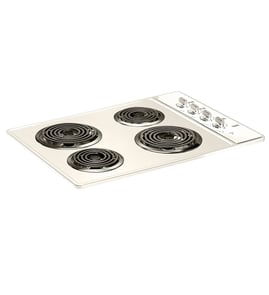


Can you replace the glass on an electric cooktop?
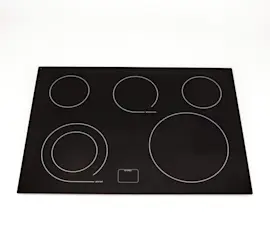
Yes. On the GE JP350BA2BB electric cooktop, the glass cooktop surface is typically replaceable, but it is a high-cost repair and requires careful handling of wiring and radiant elements. We recommend replacing the glass only if the cooktop is otherwise in good condition.
Before you decide: repair vs. replace
Glass tops are expensive and fragile; if multiple components are worn, replacement can make more sense.
| Consideration | Replace glass top | Replace cooktop |
|---|---|---|
| Upfront cost | Often high | Often higher, but includes new warranty |
| Time/skill | Moderate DIY | No repair time |
| Risk | Breakage during install | Low |
Safety steps we follow first
Electric cooktops use 240 volts; treat this as a high-shock-risk repair.
- Turn off the cooktop breaker (double-pole) and confirm power is off.
- Let the surface cool completely.
- Protect hands and eyes; broken glass is razor-sharp.
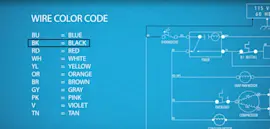
- Label wires before disconnecting anything.
- Support radiant elements so they do not hang by the wires.
What replacement usually involves
Exact steps vary by cooktop design, but the process is generally:
- Remove knobs and any mounting screws/clips securing the cooktop.
- Lift the top enough to access element brackets and wiring.
- Transfer components from the old glass to the new glass (elements, indicator light, brackets).
- Reconnect wiring and re-secure all brackets so elements sit flat.
- Reinstall the cooktop and test each burner on low, then high.
Parts that are commonly involved
If the cooktop was dropped, overheated, or arced, these parts are often inspected or replaced during a glass-top job:
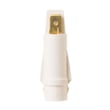
- Cooktop indicator light WB25T10012 (hot surface light)
- Cooktop wire harness WB18T10088 (burned or brittle wiring)
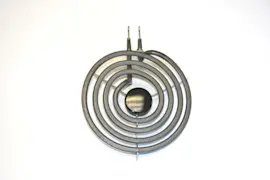
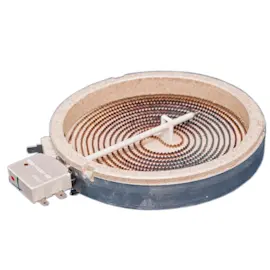
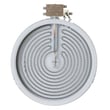
- Range radiant surface element, 8-in WB30T10045 (warped or open element)
Why it matters
A glass-top replacement is not just cosmetic. If an element is misaligned or wiring is pinched, you can get uneven heating, nuisance tripping, or damage to the new glass.
Last updated: February 2026
Is GE cooktop good?
Yes. GE electric cooktops like model JP350BA2BB are a solid, dependable choice for everyday cooking; they are widely used, parts support is strong, and most performance complaints trace back to normal wear items (surface elements, switches, knobs) rather than the cooktop frame itself.
What “good” means for an electric cooktop
A good cooktop consistently heats, controls temperature smoothly, and stays safe and serviceable over time.
- Heats evenly without dead spots on the radiant element
- Knobs turn smoothly and settings change predictably
- Indicator light works so you know when the surface is hot
- Wiring stays tight and heat-damage free under the top
- Common wear parts are replaceable without replacing the whole unit
What to check when judging your JP350BA2BB
If you are evaluating a specific unit (new-to-you or acting up), these checks tell you a lot fast:
- Burner won’t heat or only heats on “HI”: often a failing infinite switch or element
- Heat cycles too aggressively: control switch contacts can wear
- Hot surface light never comes on: indicator light or wiring issue
- Knob is cracked or slipping: knob hub wear (simple fix)
Common “fixable” parts on this model
| Symptom | Likely part type | Example part for JP350BA2BB |
|---|---|---|
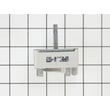
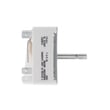
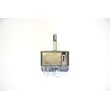
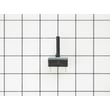
| Burner won’t regulate heat | Element control switch | Control element WB23M8 |
| Hot surface light not working | Indicator light | Cooktop indicator light WB25T10012 |
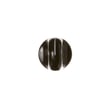
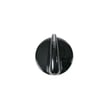
| Knob broken or slipping | Burner knob | Cooktop burner knob WB03T10025 |
Why it matters
A cooktop can feel “bad” even when the appliance is fundamentally good; one worn switch, a weak radiant element, or a failed indicator light can make cooking inconsistent. Replacing the right GE part restores normal performance and extends the cooktop’s usable life.
Last updated: February 2026
Is it worth repairing an induction cooktop?
Repairing an induction cooktop is worth it when the unit is in good overall condition and the failure is limited to a serviceable part; for your GE JP350BA2BB electric cooktop, a single bad control or knob is typically a practical repair compared with replacing the entire cooktop.
Quick way to decide (repair vs. replace)
- Repair it when only one burner misbehaves, the glass is intact, and the cooktop still powers on.
- Replace it when the glass is cracked, multiple burners fail, or you have repeated electrical issues.
- If the cooktop matches your kitchen cutout and countertop, repair usually avoids extra installation work.
Common “worth repairing” failures on JP350BA2BB
These issues are often isolated to one circuit and can be fixed by replacing a specific component:
- Burner won’t heat or won’t shut off: suspect a control switch such as control element WB23M8
- Knob is cracked, loose, or won’t turn smoothly: replace the cooktop burner knob WB03T10025
- Hot surface light stays on or never comes on: check the cooktop indicator light WB25T10012
- Intermittent operation: inspect connections and the cooktop wire harness WB18T10088
Cost and effort snapshot
| Situation | Typical cause | Usual fix | DIY difficulty |
|---|---|---|---|
| One burner stuck on high | Failed infinite switch | Replace control switch | Medium |
| One burner dead | Switch, element, or wiring | Test, then replace failed part | Medium |
| Knob won’t engage shaft | Worn/cracked knob | Replace knob | Easy |
| Indicator light incorrect | Failed indicator light | Replace indicator light | Medium |
Why it matters
A targeted repair keeps your GE JP350BA2BB cooking safely and predictably. Replacing a failed switch or indicator light restores temperature control and reduces the chance of overheating cookware or wasting energy.
Last updated: February 2026
What are the disadvantages of a ceramic cooktop?
Ceramic (smooth glass) cooktops like the GE JP350BA2BB look sleek and heat evenly, but they scratch and crack more easily than coil or gas tops, they can feel slower to respond, and spills can bake on fast. They also stay hot longer after you turn an element off.
Common drawbacks to expect
- Scratch risk: Grit, rough-bottom cookware, and sliding pans can leave permanent marks.
- Crack risk: Dropping heavy cookware or impact near an edge can damage the glass.
- Slower “feel” vs gas/induction: Radiant elements and the glass surface take time to heat up and cool down.
- Baked-on spills: Sugary or starchy boilovers can harden quickly and become difficult to remove.
- Residual heat: The surface can remain hot after the indicator light turns off, increasing burn risk.
- Cookware sensitivity: Warped pans can heat unevenly; very rough cast iron can scratch if dragged.
Cleaning and care tips that reduce the downsides
- Wipe up spills as soon as the surface is safe to touch.
- Use a cooktop-safe cleaner and a scraper designed for glass tops (avoid abrasive pads).
- Lift cookware instead of sliding it.
- Keep pan bottoms clean and dry; salt or sand-like grit is a common scratch cause.
- If the hot-surface light is not working correctly, replace it promptly (see cooktop indicator light WB25T10012).
Quick comparison: ceramic vs other cooktop types
| Feature | Ceramic (radiant glass) | Gas | Induction | |---|---|---| | Scratch/crack risk | Higher | Low | Medium | | Heat response | Medium | Fast | Very fast | | Cleanup | Easy when wiped early; hard when baked on | Grates/burners take time | Usually easiest | | Residual heat | Higher | Low | Medium |
Why it matters
Most complaints about ceramic cooktops come down to surface damage and cleanup time. Using the right cleaning method and handling cookware carefully keeps the GE JP350BA2BB looking good and cooking consistently for years.
Last updated: February 2026
Which brand of electric cooktop is best?
GE is one of the best overall electric cooktop brands for most homes because it balances reliability, parts availability, and straightforward serviceability; the GE JP350BA2BB is a solid example of a practical radiant cooktop platform. The “best” brand ultimately depends on whether you want radiant or induction, your budget, and how important long-term repair support is.
How we recommend choosing the “best” brand
- Match the technology to your cooking style: radiant is durable and familiar; induction is faster and more efficient.
- Prioritize repairability: brands with widely available switches, elements, and harnesses are easier to keep running.
- Check control style and usability: knob feel, heat range, and simmer control matter more than extra features.
- Confirm fit and cutout needs: cooktops are not one-size-fits-all; measure before you buy.
- Look at total cost of ownership: purchase price plus likely parts and service over time.
Brand tiers (what “best” usually means)
| Tier | What you typically get | Who it fits |
|---|---|---|
| Premium | Very strong build, design, and performance | Remodels, design-forward kitchens |
| Mid-range | Best value, good reliability, easier service | Most households |
| Budget | Lower upfront cost, fewer features | Light-to-moderate use |
Why parts support matters (especially long-term)
Even great cooktops wear over time. When a burner won’t heat or heat is erratic, the fix is often a serviceable component such as a control switch or surface element. For example, common repair parts for cooktops like the JP350BA2BB include a control element WB23M8 or a surface element such as the range radiant surface element, 8-in WB30T10045.
Common symptoms that point to brand and parts quality
- Burner cycles wildly or won’t regulate heat
- One element will not heat but indicator lights work
- Knob turns but heat does not change
- Intermittent heating (often heat-damaged wiring)
Why it matters
The “best” brand is the one you can cook on confidently today and repair affordably later. Choosing a brand with strong parts coverage and proven electric cooktop designs reduces downtime and avoids full replacement when a single component fails.
Last updated: February 2026
Why is my GE Profile induction cooktop burner not working?
If a burner on your GE cooktop stops heating, the most common causes are cookware that is not induction-compatible, a failed surface element, or a bad burner control switch. On model JP350BA2BB (an electric cooktop), a non-heating “burner” is usually a radiant element or its control, not an induction coil.
Quick checks we recommend first
- Confirm the knob is turning smoothly and not cracked or slipping on the shaft (a loose knob can make it feel “on” when it is not).
- Try a different burner to see if the issue is isolated to one position.
- If your cooktop is actually induction, test with a magnet: if a magnet will not stick to the pan bottom, the burner will not heat.
- Look for a hot surface light that stays on or never comes on; that can point to a control or indicator issue.
- Turn off power at the breaker for 1 minute, then restore power (this can reset some control behaviors).
Likely failed parts on JP350BA2BB
On this GE electric cooktop, a single dead burner is most often the surface element or the infinite switch (burner control).
| Symptom | Most likely cause | What we typically replace |
|---|---|---|
| One burner never heats | Open element or burned terminal | Range radiant surface element, 8-in WB30T10045 or range radiant surface element, 6-in WB30T10043 |
| Burner heats only on “HI” or cycles oddly | Worn infinite switch contacts | Control element WB23M8 or control element WB23M9 |
| Burner works but light behavior is wrong | Failed indicator circuit | Cooktop indicator light WB25T10012 |
Safe troubleshooting steps (power off)
- Shut off the cooktop breaker before removing any panels.
- Inspect wiring for heat damage, loose spade terminals, or brittle insulation.
- Check the element terminals for discoloration or a melted connector.
- If you use a meter, test the element for continuity; an open reading indicates a failed element.
- If wiring is damaged, replace the harness rather than patching multiple overheated spots (see cooktop wire harness WB18T10088).
Why it matters
A burner that will not heat is usually a simple open circuit (element, switch, or wiring). Fixing the root cause prevents repeated overheating at terminals and helps the cooktop heat evenly and safely.
Last updated: February 2026
Why is my cooktop suddenly not working?
If your GE cooktop model JP350BA2BB suddenly stopped working, the most common causes are a tripped breaker, a loose/burned wire connection, or a failed surface element control switch. Start by confirming the cooktop has the correct power supply, then isolate whether the failure affects all burners or just one.
Quick checks (start here)
- Reset the double-pole breaker for the cooktop (turn it fully OFF, then ON).
- If the cooktop is hardwired, confirm the junction box cover is secure and wiring is not overheated.
- Check whether all elements are dead or only one element.
- Look for a hot/burnt smell, discoloration, or melted insulation under the cooktop.
- If the cooktop has a hot surface light, note whether it turns on at all (a clue that some power is present).
What the symptom usually means
| Symptom | Most likely cause | What to check next |
|---|---|---|
| Nothing works (all burners dead) | Power supply issue | Breaker, house wiring, junction box connections |
| One burner dead, others work | Failed element or switch | Swap diagnosis: test switch output, inspect element wiring |
| Burner heats only on “HI” or cycles oddly | Worn infinite switch | Replace the matching control switch |
| Indicator light behavior is wrong | Failed indicator light or wiring | Inspect wiring, then replace light if needed |
Parts that commonly fix “suddenly not working” on JP350BA2BB
If power is good and the problem is isolated to a burner or control, these model-matched parts are common fixes:
- Control element WB23M8 (surface element control switch for a burner)
- Control element WB23M9 (surface element control switch for a burner)
- Cooktop wire harness WB18T10088 (burned or broken wiring to elements/switches)
- Range radiant surface element, 8-in WB30T10045 (failed heating element)
- Range radiant surface element, 6-in WB30T10043 (failed heating element)
Why it matters
An electric cooktop that stops working can be a simple breaker reset, but a burned connection or failing switch can overheat wiring and cause repeat shutdowns. Isolating whether the issue is power, a switch, or an element prevents replacing the wrong part.
Last updated: February 2026