




How do I find the specs for my Briggs & Stratton engine?
For your Briggs 31R907-0062-G1 lawn and garden engine, the most reliable way to get exact specs (tune-up settings, valve lash, bore and stroke, oil capacity, and torque values) is to use the engine’s model, type, and code from the ID label and match it to the correct spec/repair information.
Step 1: Locate the engine ID information
On Briggs engines, specs are tied to the identification numbers stamped or printed on the engine. Look for:
- Model (example: 31R907)
- Type (the middle set of digits, varies by build)
- Code (date code, varies by build)
- Any trim or revision suffix (such as -0062-G1)
Step 2: What “specs” usually include
Once you have the full ID, you can pull the specs that matter for maintenance and repair, such as:
- Oil type and oil capacity
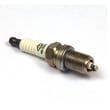
- Spark plug type and gap
- Valve clearance (valve lash)
- Governor settings and RPM range
- Bore and stroke
- Torque specs for common fasteners
Quick reference: common spec categories
| Spec type | Used for | Why you need it |
|---|---|---|
| Tune-up specs | Plug gap, valve lash, RPM | Smooth starting and power |
| Mechanical specs | Bore, stroke, compression checks | Diagnosing wear and internal issues |
| Service specs | Torque values, clearances | Preventing leaks and failures |
Step 3: When parts clues help confirm the engine family
If you are already servicing the fuel or starting system, the parts you use can help confirm you are working in the right area of the engine family for 31R907-0062-G1:
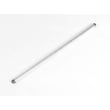
- If fuel flow is restricted, check the Briggs & stratton lawn & garden equipment engine fuel filter (white) 394358S
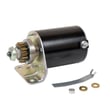
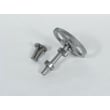
- If the engine cranks slowly or not at all, inspect the Briggs & stratton lawn & garden equipment engine starter motor 593934
- If fuel lines are brittle or leaking, replace the Briggs & stratton lawn & garden equipment engine fuel line, red 791766
Why it matters
Briggs engines can share the same base model number but have different carburetors, ignition parts, and settings by type and code. Using the full ID prevents ordering the wrong parts and helps you apply the correct torque and adjustment specs.
Last updated: February 2026
How much oil does a 12.5 Briggs & Stratton engine hold?
Most 12.5 HP Briggs & Stratton single-cylinder lawn and garden engines hold about 48 oz (1.5 qt) of oil; use that as a planning number, then set the final level by the dipstick on your 31R907-0062-G1 because crankcase (sump) depth varies by application.
Oil capacity you can use as a guide
Oil capacity varies by engine family and sump style (standard vs. deep). These ranges help you buy the right amount of oil and avoid overfilling.
| Engine type (typical) | Typical oil capacity |
|---|---|
| Walk-behind mower, vertical shaft | 15 to 20 oz |
| Rider/tractor, single-cylinder (common 12.5 class) | 48 oz (1.5 qt) |
| Rider/tractor, V-twin | 64 oz (2.0 qt) or more |
Best way to fill it correctly (works for any sump)
- Park on level ground and let the engine cool.
- Drain oil fully, then reinstall the drain plug securely.
- Add oil in steps; start with about 1 quart (32 oz).
- Wait 30 to 60 seconds; check the dipstick using the same method each time.
- Top off to the FULL mark; do not overfill.
- Run the engine 30 to 60 seconds, shut it off, then recheck and adjust.
If the oil level rises or smells like gas
A rising oil level or gasoline smell points to fuel leaking into the crankcase, commonly from a carburetor issue.
- Do not run the engine with fuel-diluted oil
- Change the oil after fixing the cause
- Inspect for flooding, hard starting, or black smoke
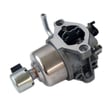
A common related repair part is the Briggs & stratton lawn & garden equipment engine carburetor 594605.
Why it matters
Correct oil level prevents overheating and rapid wear of internal parts like the crankshaft and camshaft; overfilling can cause smoking and oil in the air filter.
Last updated: February 2026
What are common B&S engine problems?
Common Briggs & Stratton engine problems on model 31R907-0062-G1 usually come from fuel delivery, ignition, or airflow issues. Most no-start, hard-start, surging, or rough-running complaints trace back to stale fuel, a restricted fuel path, a dirty carburetor, or weak spark.
Most common symptoms and likely causes
- Won’t start or starts then dies: stale fuel, clogged fuel filter, restricted fuel line, carburetor varnish
- Surging at idle or hunting: dirty carburetor passages, air leak, partially plugged main jet
- Runs rough or lacks power: restricted fuel flow, ignition misfire, governor linkage issues
- Backfires or pops: lean fuel mix, ignition timing issues, sticking valve
- Oil leak or burning oil smell: worn seal or gasket, crankcase pressure/breather issues
Quick checks we recommend first (fast, low-cost)
- Drain old fuel and refill with fresh fuel.
- Inspect the fuel path; replace a restricted Briggs & stratton lawn & garden equipment engine fuel filter (white) 394358S.
- Check for cracked or soft fuel hose; replace the Briggs & stratton lawn & garden equipment engine fuel line, red 791766 if it seeps, collapses, or is brittle.
- If it surges or won’t stay running, clean or replace the Briggs & stratton lawn & garden equipment engine carburetor 594605.
- If it won’t crank, test the battery and cables; a failing Briggs & stratton lawn & garden equipment engine starter motor 593934 can cause slow or no cranking.
Problem-to-part cheat sheet
| Problem you notice | Most common system | Parts that often fix it |
|---|---|---|
| Starts then stalls | Fuel | Fuel filter, fuel line, carburetor |
| Surging | Fuel/air | Carburetor, fuel line |
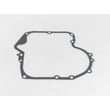
| Oil leak | Sealing | Crankcase gasket, oil seal |
| No crank | Starting | Starter motor |
Why it matters
Small-engine problems compound quickly: restricted fuel flow can overheat the engine, and oil leaks can lead to low oil and internal wear. Fixing the basic fuel, air, and starting issues first prevents unnecessary replacement of major components like the camshaft or crankshaft.
Last updated: February 2026
What is the Briggs & Stratton 31R907-0062-G1?
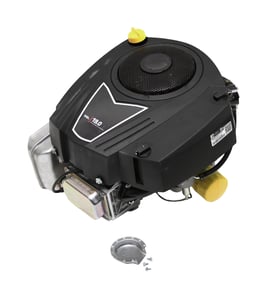
The Briggs 31R907-0062-G1 is a Briggs & Stratton lawn and garden engine model number used to identify the exact engine configuration so you can match the correct maintenance and repair parts (fuel system, ignition, starting, and internal engine components) for your equipment.
What the model number tells you
The model number 31R907-0062-G1 is the key identifier we use to narrow parts to the right engine family and build. It helps you avoid ordering look-alike parts that do not fit.
Common part groups tied to this engine model include:
- Fuel delivery parts (fuel filter, fuel line, carburetor)
- Starting system parts (starter motor)
- Ignition parts (ignition coil)
- Charging parts (alternator)
- Seals and gaskets (oil seal, crankcase gasket)
- Internal engine parts (camshaft, connecting rod)
Examples of parts you might use on 31R907-0062-G1
These are common service parts shown for this model; match by symptom and by your engine’s existing part markings.
| System | Example part (from this model’s parts list) | What it affects |
|---|---|---|
| Fuel | Briggs & stratton lawn & garden equipment engine fuel filter (white) 394358S | Fuel flow, stalling, hard starting |
| Fuel | Briggs & stratton lawn & garden equipment engine carburetor 594605 | Starting, surging, running rich/lean |
| Starting | Briggs & stratton lawn & garden equipment engine starter motor 593934 | No-crank or slow-crank issues |
| Ignition | Briggs & statton lawn & garden equipment engine ignition coil 594626 | No-spark, misfire |
How to confirm you have the right engine
Use these quick checks before ordering parts:
- Verify the engine ID tag or stamping shows 31R907-0062-G1 exactly.
- Compare the old part number on the component you are replacing.
- Match the part type to the symptom (fuel vs. spark vs. starter).
- Inspect for prior modifications (aftermarket carburetor, rewired starter, added fuel shutoff).
Why it matters
Small differences in an engine’s type code can change carburetor linkages, fuel shut-off solenoids, ignition components, and gasket sets. Using the exact 31R907-0062-G1 model number keeps the repair accurate and prevents repeat failures.
Last updated: February 2026
What is the lifespan of a B&S engine?
Most Briggs engines like the Briggs 31R907-0062-G1 lawn and garden engine deliver about 500 to 3,000+ operating hours when maintained correctly; commercial-style use and excellent maintenance push life higher, while neglected fuel and oil care shorten it fast.
Typical lifespan ranges (what we see most often)
Hours are a better measure than years because mowing time varies by property size and season.
| Use type | Typical care level | Common lifespan |
|---|---|---|
| Light residential (small yard) | Good | 10 to 20+ years (often 500 to 1,500 hours) |
| Heavy residential (large yard) | Good | 5 to 15 years (often 800 to 2,000 hours) |
| Commercial or near-commercial | Excellent | 1,500 to 3,000+ hours |
Maintenance that most affects engine life
These items have the biggest impact on compression, lubrication, and fuel delivery.
- Change oil on schedule; low or dirty oil is the fastest way to wear out internal parts.
- Keep the cooling fins and blower housing clear so the engine runs cooler.
- Use fresh fuel and stabilize fuel for storage; old fuel creates varnish in the carburetor.
- Replace restricted fuel components such as the Briggs & stratton lawn & garden equipment engine fuel filter (white) 394358S.
- Inspect and replace cracked or soft fuel hose such as the Briggs & stratton lawn & garden equipment engine fuel line, red 791766.
- Fix oil leaks early; a worn seal such as the Briggs & statton lawn & garden equipment engine oil seal 795387 can lead to low oil.
Signs your engine is nearing end-of-life (or needs major service)
These symptoms usually point to internal wear or chronic fuel issues.
- Hard starting even with fresh fuel
- Noticeable loss of power under load
- Excessive oil consumption or blue smoke
- Low compression (engine spins fast but will not catch)
- Persistent fuel flooding or surging (often carburetor-related)
Why it matters
Knowing the expected lifespan helps you decide whether to tune up fuel and ignition components or plan for a larger repair (carburetor, starter, or internal engine work). On a 31R907-0062-G1, keeping fuel clean and oil full typically delivers the biggest return.
Last updated: February 2026
What oil goes in a HP Briggs and Stratton engine?
For the Briggs 31R907-0062-G1 lawn and garden engine, we use a high-quality 4-cycle detergent oil; 10W-30 is the most common all-around choice for typical mowing temperatures. In hotter weather, SAE 30 is often used; in colder weather, 5W-30 can improve starting.
Recommended oil weights by temperature
Use the oil viscosity that matches your outdoor temperature range:
- 10W-30: best all-around choice for most climates and seasons
- SAE 30: good for consistently warm conditions
- 5W-30 (synthetic preferred): best for cold-weather starting
- Avoid 2-cycle oil: this is a 4-cycle engine and uses straight crankcase oil
What to buy (quick checklist)
- 4-cycle small engine oil (detergent)
- API service rating commonly listed as SJ or higher on the bottle
- Fresh, clean fuel to reduce varnish and carburetor issues
- A new fuel filter if fuel flow seems restricted (see Briggs & stratton lawn & garden equipment engine fuel filter (white) 394358S)
If the engine smokes or uses oil
Oil choice helps, but smoke is usually caused by an oil level or engine condition issue:
| Symptom | Common cause | What to check first |
|---|---|---|
| Blue/white smoke on startup | Oil overfilled or tipped engine | Verify oil level on dipstick; correct fill level |
| Smoke under load | Worn rings or breather issue | Check air filter, breather tube routing, and crankcase ventilation |
| Oil leak near crankshaft | Worn seal | Inspect for wet oil around the PTO/flywheel side |
Why it matters
Using the right viscosity helps the 31R907-0062-G1 lubricate properly at operating temperature and still crank easily when cold. That reduces wear on internal parts like the camshaft, crankshaft, and connecting rod, and it helps prevent hard starting and overheating.
Last updated: February 2026