Owner’s manual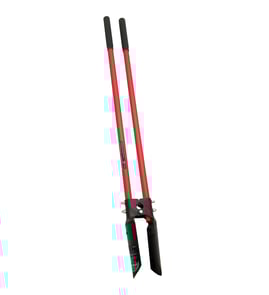



How deep can an earth auger dig?
Most Earthquake model 9000 earth augers are designed to dig roughly up to about 3 feet deep with a standard auger bit; for deeper holes, you add an extension and “pump” the auger as you go to keep the hole clearing properly. For model-specific operating limits and safe technique, use the owner's manual.
Typical depth and what changes it
Depth is mainly limited by how long the auger flighting is and how well the hole clears spoil.
- Standard earth auger bits commonly reach around 3 ft of digging depth
- Extensions add depth in steps (commonly 6 in, 12 in, or 18 in per extension)
- Heavy soil reduces effective depth unless you clear spoil frequently
- Rocky ground can stop progress; avoid ground with rocks larger than a fist
- Technique matters; the auger should cut with a shaving action, not body weight
Recommended technique for deeper holes
For the Earthquake 9000, we follow the manual’s guidance to keep the auger cutting efficiently as depth increases.
- Let the unit’s weight do the work; do not force it downward
- In heavy soil, use an up-and-down “pumping” motion about every 1 foot of depth
- Pause periodically to let the flutes carry soil up and out
- Keep the clutch area clean and dry (oil or moisture can cause slippage)
- Do not use an ice auger in earth (and do not use an earth auger in ice)
Quick depth planning table
| What you’re using | Typical depth outcome | Best practice |
|---|---|---|
| Standard earth auger bit | About 3 ft | Clear spoil often; avoid forcing |
| Bit + extension(s) | Deeper than 3 ft (adds per extension length) | Pump every 1 ft; keep hole clean |
| Heavy soil conditions | Less depth per pass | Pump more often; slow steady cutting |
Why it matters
Digging deeper than the auger can clear efficiently increases binding and kickback risk, and it can also accelerate wear on drive components like the clutch and gear case. Using the right auger style and a controlled technique keeps the hole straight and protects the powerhead.
Last updated: February 2026
What is the best tool to dig a hole?
For most holes, the best tool is the one that matches the hole’s size and the soil. For narrow, deep post holes, an Earthquake 9000 power earth auger is the fastest choice; for general digging and shaping, a round-point shovel works best. See the owner's manual for safe operating limits and technique.
Quick guide: match the tool to the job
- Planting holes and general yard work: round-point shovel
- Fence posts (narrow and deep): powered earth auger with the right diameter bit
- Tough soil with roots: digging bar or pick mattock to break up the ground first
- Rocky ground: avoid powered auger use if rocks are larger than a fist; switch to hand tools
- Ice fishing holes: use an ice auger, not an earth auger
Best choice for post holes with the Earthquake 9000
The Earthquake 9000 is designed for drilling holes in earth and ice (with the correct auger). For post holes, choose an earth auger diameter that matches your post and concrete plan.
| Hole type | Recommended auger style | Example part for this model | Notes |
|---|---|---|---|
| Fence posts in soil | Earth auger | Earth auger, 6" w/fishtail point EA6F | Common for many post sizes; verify your target hole diameter |
| Larger posts or footings | Earth auger | Earth auger, 10" w/fishtail point EA10F | Larger holes increase load; use steady technique |
| Ice holes | Ice auger | Ice auger, 10" QT10N | Keep blades protected when not in use |
Operating tips that make digging faster (and safer)
- Let the auger cut using the unit’s weight; do not force it with excessive body weight.
- In heavy soil, “pump” the auger up and down about every 1 foot of depth to clear spoil.
- Keep hands and feet clear of the rotating auger; avoid loose clothing.
- Do not use an ice auger in earth or an earth auger in ice; use the correct style for the material.
- Avoid excessively rocky ground; the auger works best when rocks are no larger than a fist.
Why it matters
Using the right digging tool reduces effort, prevents binding and kickback, and helps you get a straighter hole. With a power auger like the Earthquake 9000, matching the auger type and diameter to the job also protects the clutch, gear case, and cutting point.
Last updated: February 2026
How much is the 9000 post hole digger?
We list replacement parts and the Earthquake 9000 owner's manual for the Earthquake model 9000 hole digger; the complete unit price is not provided in the model documentation. For cost planning, price the repair parts you need (such as augers, clutch parts, and hardware) and compare that total to the cost of a replacement unit.
What you can price on this model page
Common Earthquake 9000 parts that drive repair cost include:
- Augers for different hole sizes (earth or ice)
- Wear items in the clutch and drum area
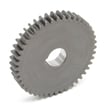
- Gear case and gear components
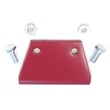
- Hardware that secures the auger and handlebar
- Handle grips and mounting pieces
If you are rebuilding the drive system, start with the clutch and gear case parts list.
Example parts and typical use cases
| What you’re fixing | Parts that often apply | What it affects |
|---|---|---|
| Auger won’t bite or drills slowly | Post hole digger auger fishtail point 8958HD | Cutting and starting the hole |
| Auger slips or stops under load | Centrifugal clutch shoes (2) 8920B, clutch drum 60G30 | Power transfer from engine to auger |
| Excess vibration or loose auger connection | Post hole digger earth auger spring 8980, post hole digger bolt EBOLT | Shock absorption and fastener security |
Why it matters
A hole digger’s total cost is usually driven by the engine and gearbox condition. The manual confirms the Earthquake model 9000 uses a 3 HP, 85 cc Tecumseh (AV520) engine, so if your issue is limited to the auger, clutch shoes, drum, or hardware, repairing is often the most cost-effective path.
Quick buying checklist (so you order the right items)
- Match your model number to 9000 before ordering
- Choose the correct auger type and size (earth vs. ice); do not mix them
- Replace wear parts in sets when applicable (for example, clutch shoes)
- Inspect mating parts for damage (a worn drum can quickly ruin new shoes)
- Recheck all nuts and bolts for tightness after the first few holes
Last updated: February 2026
Is auger better than post hole digger?
An auger is better than a manual post hole digger when you need speed, consistent hole diameter, or you are working in tougher soil; a post hole digger is better for a few small holes where you want maximum control and low cost. For the Earthquake 9000 powerhead, an earth auger is the best match for most fencing and planting jobs (see the owner's manual).
Quick comparison: auger vs post hole digger
| Feature | Earth auger (powered) | Manual post hole digger |
|---|---|---|
| Speed for multiple holes | Fast | Slow |
| Effort required | Lower (engine does the work) | Higher (all manual) |
| Best soil types | Most soils; avoid excessively rocky ground | Softer soils; shallow holes |
| Hole consistency | Very consistent diameter | Can vary with technique |
| Cost and upkeep | Higher cost; routine maintenance | Lower cost; minimal upkeep |
When an auger is the better choice
- You are drilling many holes for fence posts, deck footings, or planting.
- Soil is clay, packed, or heavy; pump the auger up and down about every 1 foot of depth in heavy soil.
- You want a consistent hole size (for example 6 inch, 8 inch, or 10 inch).
- You want to reduce fatigue and finish faster.
- You already have the powerhead and just need the right bit, such as the earth auger, 6" w/fishtail point EA6F or earth auger, 10" w/fishtail point EA10F.
When a post hole digger is the better choice
- You only need a few holes and the soil is loose or sandy.
- You need fine control around roots, irrigation lines, or tight spaces.
- You want the lowest-cost tool with minimal maintenance.
- You are working where a powered auger could bind and twist unexpectedly.
Important model-specific guidance for Earthquake 9000
- Use the correct auger type for the job: do not use an ice auger in earth or an earth auger in ice.
- Attach the auger to the powerhead with the correct bolt; replace worn or missing hardware with the post hole digger bolt EBOLT.
- Avoid excessively rocky ground; the unit performs best when rocks are no larger than a person’s fist.
Why it matters
Choosing the right tool prevents wasted effort and reduces the chance of binding, poor hole shape, or premature wear on drive parts such as the clutch and gear case.
Last updated: February 2026