
Is the KitchenAid food processor worth it?
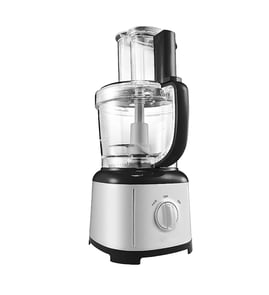
Yes, a KitchenAid food processor is worth it when you want faster, more consistent prep for everyday chopping, slicing, and pureeing. For the KitchenAid KFP740CR1, the value is strongest if you will use it weekly and keep key wear items (like the bowl and scraper) in good condition.
When it’s a good value
A food processor pays off when it replaces repetitive knife work and holds up to regular use.
- You meal prep often (vegetables, cheese, sauces, dips)
- You want consistent slice and shred results
- You prefer a heavier, more stable base that stays put on the counter
- You plan to maintain it with the right-fit replacement parts for KFP740CR1
- You want to keep a second bowl on hand for faster batch prep
What to consider before buying or keeping it
KitchenAid processors are strong all-around performers, but they are not the best choice for every task.
| Task | Typical performance | What to watch for |
|---|---|---|
| Slicing and shredding | Excellent | Feed tube loading affects uniformity |
| Chopping | Very good | Overprocessing can turn food pasty |
| Pureeing | Very good | Add liquid gradually for smoother texture |
| Dough mixing | Mixed | Heavy dough can strain the unit if overloaded |
Parts that affect day-to-day satisfaction
If the processor leaks, wobbles, or is frustrating to use, it is often a bowl or accessory fit issue, not the motor.
- Replace a worn or cracked bowl with the correct-fit food processor bowl, small WP8211926
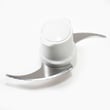
- Keep the work bowl cleaner and reduce scraping by hand with the food processor scraper 8211760
- If the unit will not lock or feels loose, inspect the latch and related hardware, including the clamp 2185825
Why it matters
A food processor feels “worth it” when it is reliable and convenient. Using the correct KFP740CR1 parts helps maintain proper fit, safe locking, and consistent results, which is what saves time and reduces frustration.
Last updated: February 2026
What is the life expectancy of a food processor?
Most home food processors, including the KitchenAid KFP740CR1, last 10 years with normal use and basic care. With lighter use and good cleaning habits, it’s common to see 15 to 20 years; heavy, daily use typically shortens lifespan.
Typical lifespan by usage
- Occasional home use (1 to 3 times/week): 12 to 20 years
- Regular home use (4 to 7 times/week): 8 to 12 years
- Heavy use (multiple batches back-to-back): 5 to 8 years
- Best indicator: motor sound and performance under load (dough, hard cheese, dense chopping)
What usually wears out first (and what you can replace)
On a food processor, the motor often lasts a long time; the parts that commonly crack, warp, or loosen are the bowl and attachments.
- Bowl tabs or rim wear that prevents locking
- Lid or latch/clamp issues that stop the unit from starting
- Scraper wear that leaves food stuck on the bowl wall
- Dull or nicked blades (performance drops, motor works harder)
If your KFP740CR1 is otherwise running well, replacing a worn accessory can extend useful life, such as the food processor bowl, small WP8211926 or the food processor scraper 8211760.
Quick “replace vs. keep” checklist
| Symptom | What it usually means | Best next step |
|---|---|---|
| Motor bogs down on normal loads | Dull blade, overfilling, or motor wear | Reduce batch size; inspect blade and bowl fit |
| Unit will not start unless you wiggle the lid | Safety interlock not engaging | Check bowl seating; inspect clamp/latch |
| Cracks, leaks, or wobble at the bowl | Bowl is worn or damaged | Replace bowl |
| Burning smell or sparking | Motor or wiring issue | Stop using; have it serviced |
Why it matters
A struggling food processor draws more current and runs hotter; that accelerates motor wear and can turn a simple bowl or clamp issue into a full unit failure.
Last updated: February 2026
Is 1000 watts good for a food processor?
Yes. For most home cooking, 1000 watts is a strong, capable food processor motor; it handles tougher jobs like shredding firm cheese, chopping nuts, and mixing thicker batches more easily than lower-watt models. For your KitchenAid KFP740CR1, wattage is only one factor; bowl size, blade sharpness, and feed technique matter too.
What 1000 watts is good for
A 1000W class food processor typically performs well for:
- Chopping harder ingredients (nuts, chocolate chunks, dense vegetables)
- Shredding and slicing larger volumes with fewer stalls
- Mixing thicker mixtures (hummus, nut butter in small batches)
- Handling cold butter and flour for pastry dough more smoothly
- Faster processing with less need to stop and scrape
When you might want more (or less) power
Wattage needs depend on what you process most often.
| What you make most | Typical wattage that works well | Notes |
|---|---|---|
| Salsa, onions, herbs, breadcrumbs | 400 to 700W | Technique matters more than power. |
| Nuts, firm cheese, dense veggies | 700 to 1000W | 1000W reduces bogging down. |
| Heavy doughs and frequent large batches | 1000W+ | Use pulse and avoid overloading. |
Tips to get the best performance from your KFP740CR1
Even with plenty of watts, overload and dull tools cause most “weak motor” complaints.
- Cut food into 1 to 2 inch pieces before processing
- Use pulse for hard items to prevent jamming
- Do not pack the bowl; process in smaller batches
- Stop and scrape the bowl walls as needed (a scraper accessory helps)
- If results look uneven, check for worn accessories and replace as needed
If you regularly need to scrape the bowl while mixing, replacing a worn scraper can improve consistency; see the food processor scraper 8211760.
Why it matters
Higher wattage generally means more torque under load, so the motor maintains speed when ingredients fight back. That translates to more even chopping, less stalling, and less heat buildup during longer runs.
Last updated: February 2026