Error Codes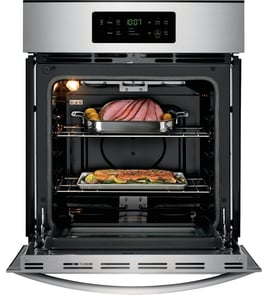





How to find wall oven model number?
For a GE electric wall oven like model CTD70DM2N2S5, the model number is typically printed on a rating label around the oven door frame. If you do not see it there, check the door edge and the oven cavity frame where the door closes.
Where to look first (most common spots)
- Open the oven door and inspect the front frame (the face frame around the opening).
- Check the left and right sides of the frame near the hinges.
- Look along the bottom frame lip (sometimes the label is easiest to see from below).
- Check the door edge itself (the inner edge of the door when it is open).
- Inspect the rim of the oven opening where the door gasket seals.
If you still cannot find it
On some wall ovens, the rating label can be harder to spot because it is tucked behind trim or positioned where it is only visible at certain angles.
- Use a flashlight and look for a silver or white sticker with a barcode.
- Wipe grease or dust off the frame so the print is readable.
- Take a photo and zoom in; model and serial numbers are often small.
What the label usually shows
| Label item | What it helps with |
|---|---|
| Model number (example: CTD70DM2N2S5) | Matching the correct GE wall oven parts |
| Serial number | Identifying production details for service |
| Electrical ratings | Confirming power requirements for troubleshooting |
Why it matters
We use the exact model number to match compatible parts (like a temperature sensor, door lock, or cooling fan) and avoid ordering a look-alike part that will not fit.
If you are troubleshooting overheating or fan issues while you are identifying the model, a common related part on this model is the wall oven cooling fan WB26X35089.
Last updated: January 2026
What are the most common issues with CTD70DM2N2S5?
The most common issues we see with the GE CTD70DM2N2S5 electric wall oven involve temperature accuracy, cooling and airflow, door sealing and locking, and oven lighting. Many of these symptoms trace back to serviceable parts such as the temperature sensor, cooling fan components, door seal, or door lock.
Common symptoms and what they usually point to
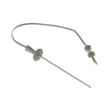
- Oven not heating correctly or baking unevenly: often related to a failing sensor or control issue; start by checking the wall oven temperature sensor WB21X10165.
- Oven runs hot, shuts down, or seems to overheat: commonly tied to cooling airflow problems; inspect the wall oven cooling fan WB26X35089 and related sensor boards.
- Cooling fan runs constantly or is noisy: a worn fan motor/blade or a sensor board can cause this.
- Door won’t lock or won’t unlock (self-clean issues): frequently caused by the wall oven door lock assembly WB10X28391.
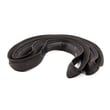
- Heat escaping around the door, longer cook times: a worn or torn wall oven door seal WB35X32825 is a common cause.
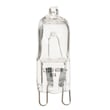
- Oven light not working: check the bulb first; the wall oven light bulb WB25T10102 is a typical wear item.
Quick checks we recommend before replacing parts
- Power reset: turn the breaker off for 1 minute, then back on (helps clear minor control glitches).
- Visual inspection: look for a damaged door gasket, loose hinge alignment, or debris blocking vents.
- Listen for the cooling fan: it should run smoothly when the oven is hot; grinding or rattling indicates wear.
- Confirm the symptom: “not heating” vs “not reaching set temperature” often points to different causes.
Symptom-to-part cheat sheet
| Symptom | Most likely area | Example part on this model |
|---|---|---|
| Temperature off by a lot | Temperature sensing | WB21X10165 |
| Overheating or shutdown | Cooling system | WB26X35089 |
| Door won’t lock/unlock | Door lock mechanism | WB10X28391 |
| Heat leaking at door | Door sealing | WB35X32825 |
| Light out | Lighting | WB25T10102 |
Why it matters
Accurate temperature control and proper cooling protect the control boards and wiring harness, and a good door seal improves baking performance and reduces heat loss. Addressing these issues early helps prevent repeat failures and nuisance error conditions.
Last updated: March 2026
What is the average lifespan of an electric wall oven?
A GE electric wall oven like model CTD70DM2N2S5 typically lasts about 16 years with normal use and basic maintenance. Keeping airflow clear, the door sealing properly, and temperatures accurate helps you reach (and often exceed) that average.
Typical lifespan and what affects it
Most electric wall ovens land in a similar range, but real-world lifespan depends on heat stress, cleaning habits, and how hard the oven works.
- Average lifespan: about 16 years
- Common range: 12 to 20 years
- Heavy use (daily high-heat baking, frequent self-clean): tends to shorten lifespan
- Good maintenance (clean vents, good door seal): tends to extend lifespan
| Usage pattern | What to expect | Why |
|---|---|---|
| Light to moderate use | 16 to 20 years | Less heat cycling and wear on controls and fans |
| Typical family use | Around 16 years | Normal wear on sensors, door parts, and electronics |
| Heavy use or frequent self-clean | 12 to 15 years | Higher heat stress on wiring, boards, and door lock |
Parts that commonly determine “end of life”
When an oven feels “worn out,” it is usually one or two key parts causing poor heating, error codes, or overheating.
- Temperature regulation issues: wall oven temperature sensor WB21X10165
- Overheating or cooling problems: wall oven cooling fan WB26X35089
- Self-clean door won’t lock or unlock: wall oven door lock assembly WB10X28391
- Heat leaking around the door: wall oven door seal WB35X32825
Why it matters
Knowing the typical lifespan helps you decide whether to repair or replace. If your CTD70DM2N2S5 is under about 10 years old, repairs like a sensor, door seal, or cooling fan are often the most cost-effective way to restore safe, consistent baking performance.
Last updated: January 2026