Error Codes

What is the life expectancy of an A. O. Smith electric water heater?
Most A. O. Smith electric tank water heaters like model ECL50 last 8 to 12 years. With consistent maintenance (especially protecting the tank from corrosion and sediment), many units reach the upper end of that range.
Typical lifespan and what affects it
A tank-style electric water heater’s life is mainly driven by water quality, temperature settings, and how well the tank is protected from corrosion.
- Hard water and heavy sediment shorten element and tank life
- Higher thermostat settings increase wear and scale buildup
- Infrequent anode rod replacement speeds up tank corrosion
- Leaks at fittings or the tank bottom usually signal end-of-life
- Regular flushing helps reduce sediment-related overheating
Maintenance that extends life (most impact for the cost)
These are the most effective, practical steps for an ECL50-STYLE electric water heater:
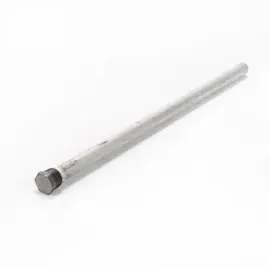
- Check and replace the anode rod on schedule; it is the tank’s primary corrosion protection
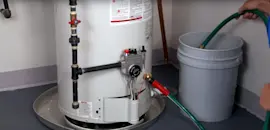
- Flush a few gallons from the drain periodically to reduce sediment
- Keep temperature at a safe, moderate setting (many homes run around 120°F)
- If hot water is inconsistent, test thermostats and heating elements before assuming the tank is failing
- Inspect access covers and wiring for heat damage or loose connections (power off first)
| Maintenance item | Why it matters | Common interval |
|---|---|---|
| Anode rod | Prevents tank rust-through | About every 3 to 5 years |
| Sediment flush | Reduces scale and overheating | 1 to 2 times per year |
| Thermostat check | Prevents overheating and poor recovery | As needed |
Parts that commonly relate to lifespan problems
If you are trying to keep your ECL50 running longer, these parts are often involved in “no hot water,” “not enough hot water,” or slow recovery complaints:
Why it matters
A failing anode rod or heavy sediment can make the heater work harder, overheat elements, and accelerate tank corrosion. Staying ahead of those issues is the most reliable way to hit the full expected lifespan.
Last updated: February 2026
What is the average labor cost to install a 50 gallon electric water heater?
For a 50-gallon electric water heater like the Ao Smith ECL50, average labor to remove and replace the tank typically runs $200 to $600 for a straightforward swap. Labor often rises to $400 to $1,000+ when electrical, plumbing, or code-related upgrades are needed.
What usually changes the labor price
Labor varies most based on access, electrical work, and whether the install is a simple like-for-like replacement.
- Location and access: attic, crawlspace, tight closet, or stairs increase time
- Electrical scope: new breaker, wiring, disconnect, or correcting unsafe connections
- Plumbing changes: shutoff replacement, pipe rework, new fittings, leak repairs
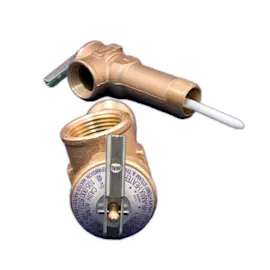
- Code items: expansion tank, seismic strapping, drain pan, T&P discharge piping updates
- Permits and inspection: adds admin time and scheduling
- Haul-away: old tank removal and disposal can be a separate line item
Typical labor scenarios (quick comparison)
| Install scenario | What it includes | Common labor range |
|---|---|---|
| Straight swap | Same size, same location, existing wiring and piping | $200 to $600 |
| Moderate complexity | Minor pipe changes, new shutoff, improved T&P drain line | $400 to $900 |
| Complex job | Relocation, major electrical work, difficult access, multiple code upgrades | $800 to $1,000+ |
How to get an accurate quote (and avoid surprises)
Use this checklist when comparing bids for an ECL50 replacement.
- Confirm the quote includes disconnecting power, draining, and safe startup
- Ask whether permit/inspection is included or separate
- Verify haul-away of the old heater is included
- Ask what code upgrades are assumed (pan, expansion tank, seismic straps, T&P piping)
- Confirm whether the installer will test for proper voltage and thermostat operation
Why it matters
Electric water heater installs look simple, but the labor cost jumps fast when the job requires electrical corrections or code upgrades. Getting those items priced up front helps prevent delays, leaks, or nuisance tripping after installation.
If you are also budgeting for common maintenance parts that affect performance and longevity, check the anode rod 100109624 for the ECL50.
Last updated: February 2026
What is usually the most common water heater problem?
The most common water heater problem is loss of hot water or reduced hot water output, usually caused by sediment buildup and normal wear on electric heating controls. On an Ao Smith ECL50 electric water heater, the most common fix paths involve checking the thermostats and heating elements, then addressing maintenance items like flushing and anode condition.
Most common symptoms (and what they usually point to)
- Not enough hot water: failed thermostat, failed heating element, or heavy sediment
- No hot water: tripped breaker, failed thermostat, failed element, or loose wiring
- Rumbling or popping noises: sediment buildup on the bottom of the tank
- Water too hot or temperature swings: thermostat out of calibration or failing
- Rusty or metallic-smelling hot water: anode rod depleted
- Water around the heater: leaking plumbing connection or tank leak
Quick checks we recommend first (electric models)
- Confirm the circuit breaker is on and the heater has power.
- If you suspect an electrical issue, shut off power and use a meter to verify voltage and continuity.
- Inspect wiring for heat damage under the terminal cover.
- If hot water is limited, plan a tank flush to remove sediment.
Common causes and the parts that often solve them
| Problem you notice | Most common cause | Part that’s often involved (ECL50) |
|---|---|---|
| No hot water | Upper control not switching power correctly | Thermostat 100109846 |
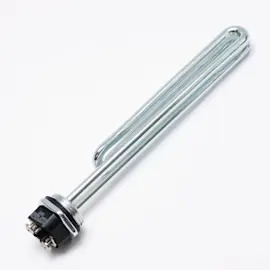
| Not enough hot water | Lower control or element not heating | Thermostat 100110039 or reliance water heater heating element, upper 100108327 |
| Rusty hot water | Anode rod worn out | Anode rod 100109624 |
| Lukewarm water fast | Cold water not directed to bottom | Dip tube 100108611 |
Why it matters
Sediment and worn electrical controls make the heater run longer, waste energy, and deliver less hot water. Catching a weak thermostat, heating element, dip tube, or anode rod early helps restore performance and can extend tank life.
Last updated: February 2026
How much would it cost to replace a 50 gal electric water heater?
Replacing a 50-gallon electric water heater like the Ao Smith ECL50 typically costs about $1,200 to $3,500 installed (unit, labor, and common materials). The biggest price drivers are labor rates, whether the install needs code upgrades, and any plumbing or electrical changes.
What’s included in “replacement cost”
Most replacement quotes bundle these items:
- New 50-gallon electric tank water heater
- Removal and disposal of the old tank
- Basic plumbing connections (hot, cold, T&P discharge line tie-in)
- Electrical reconnection (existing circuit)
- Startup, leak check, and temperature setting
Common add-ons that raise the price
These are the items that most often push the total higher:
- New shutoff valve or supply piping changes
- Expansion tank (often required depending on your plumbing system)
- New or corrected T&P discharge piping
- Electrical updates (disconnect, wiring, breaker sizing)
- Permit and inspection fees
- Pan and drain line (especially in finished spaces)
Typical cost ranges (quick guide)
| Scenario | What it usually means | Typical installed range |
|---|---|---|
| Straight swap | Same size, same location, minimal changes | $1,200 to $2,200 |
| Moderate updates | Some plumbing or electrical corrections | $1,800 to $2,900 |
| Relocation or major upgrades | Moving the heater, significant rework | $2,500 to $3,500 |
Why it matters
A 50-gallon electric water heater is a high-draw appliance; correct electrical connections, safe temperature settings, and proper T&P discharge piping help prevent nuisance shutdowns, leaks, and premature tank failure.
When a repair makes more sense than full replacement
If your tank is not leaking, a few common parts can restore hot water and extend service life:
- If hot water is weak or runs out fast, check the reliance water heater heating element, upper 100108327.
- If water temperature is inconsistent, a failed thermostat is common (this model lists thermostat 100109846 and thermostat 100110039).
- If you want to slow tank corrosion, replacing the anode rod 100109624 is a standard maintenance step.
Last updated: February 2026