What are the common problems with SWNBX2PP112TW02 washers?
Common problems we see with the Alliance SWNBX2PP112TW02 washer include not draining or spinning, leaking, excessive vibration, and lid or control-related issues. Many are caused by clogs, worn drive components, or sealing problems; targeted checks and the right replacement part usually restore normal operation.
Most common symptoms and what they usually mean
- Won’t drain or leaves water in the tub: drain path restriction, pump issue, or a slipping/worn belt.
- Won’t spin or spins weakly: belt/pump drive wear, drive block wear, or load balance problems.
- Leaks: tub gasket wear, hose connection issues, or a failing seal/gasket.
- Loud noise during agitation/spin: worn drive components, loose hardware, or something rubbing the cabinet.
- Excessive vibration or walking: unlevel washer, weak suspension, or overloaded/unbalanced loads.
Quick checks we recommend before replacing parts
- Power reset: unplug for 2 minutes, then retry a cycle.
- Load and leveling: redistribute the load; confirm all feet are firmly on the floor.
- Drain basics: check the standpipe height and make sure the drain hose is not kinked or crushed.
- Leak tracing: run a small fill and watch where the first drip appears (front, bottom, or rear).
- Listen for clues: a humming motor with no movement often points to a drive or pump load issue.
Parts that commonly solve these problems
If symptoms match, these model-compatible parts are common fixes:
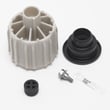
- Drain/spin issues tied to belt and pump drive: speed queen belt and pump kit - includes items 16 and 18 (38174 belt) RB150003
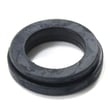
- Leaks at the tub or sealing surfaces: speed queen washer tub gasket 36425 and speed queen gasket 39122
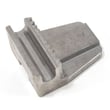
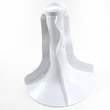
- Spin/drive engagement problems: speed queen washer drive block 39508P
Symptom-to-part guide (fast reference)
| Symptom | Most likely area | Example part on this page |
|---|---|---|
| Won’t drain | Pump/belt drive | RB150003 |
| Leaks from tub area | Tub seal/gasket | 36425, 39122 |
| Won’t spin or agitates poorly | Drive engagement | 39508P |
Why it matters
Drain, spin, and leak problems can quickly lead to odors, poor cleaning, and water damage. Catching a worn belt, failing gasket, or slipping drive block early helps prevent bigger repairs and downtime.
For step-by-step troubleshooting that matches these symptoms, use our DIY guide: how to fix a washing machine.
Last updated: February 2026
What brands does Alliance Laundry make?
Alliance Laundry Systems makes several well-known laundry equipment brands used in commercial and some residential settings. For your Alliance washer model SWNBX2PP112TW02, you will most commonly see Alliance products marketed under brands such as Speed Queen, UniMac, Huebsch, Primus, and IPSO.
Alliance Laundry brand family (what you may see on the machine)
These are the primary brands associated with Alliance Laundry Systems:
- Speed Queen: widely recognized for durable washers and dryers (commercial and residential lines)
- UniMac: on-premises laundry (OPL) equipment often used in hotels, healthcare, and laundries
- Huebsch: commercial laundry equipment commonly found in multi-housing and vended laundry
- Primus: commercial laundry equipment line used in a range of institutional settings
- IPSO: commercial washers and dryers used in vended and OPL applications
Why the branding matters when ordering parts
Branding affects how parts are labeled and searched, even when the underlying manufacturer is the same. When you are matching parts for SWNBX2PP112TW02, use the model number first, then confirm the part ID and description.
Common examples of what you might run into
| What you see | What it usually means | What to do |
|---|---|---|
| Speed Queen on the cabinet | Alliance-built unit sold under Speed Queen | Search by model number SWNBX2PP112TW02 |
| Commercial coin/vended labeling | Built for laundromat or multi-housing use | Match control and coin components carefully |
| Different brand name on literature | Same manufacturer, different market channel | Verify part ID and part name before ordering |
Parts examples for this model
If you are identifying parts by brand name on the washer, it can help to cross-check with known assemblies used on this model, such as the belt and pump kit RB150003.
Helpful next step
For general washer identification and repair planning, our DIY article washer common questions helps you narrow down what you have and what information to collect before ordering parts.
Last updated: February 2026
What parts fail in a washing machine?
In an Alliance washer model SWNBX2PP112TW02, the parts that fail most often are the ones that move water, transfer power, or seal against leaks. In real-world repairs, we most commonly see issues with the drain system, drive components, lid/lock hardware, and tub seals.
Most common washer parts that fail (and what you notice)
- Drain and pump-related parts: washer won’t drain, drains slowly, or leaves water in the tub
- Drive system parts (belt, drive block, gear case): won’t spin, weak spin, burning rubber smell, or loud squealing/grinding
- Seals and gaskets: water leaks under the washer or around the tub area
- Lid hardware and safety/lock components: lid won’t close correctly, won’t start, or stops mid-cycle
- Control components: dead panel, erratic cycle behavior, or intermittent operation
Model-relevant examples you can check first
These are common failure points that match parts available for SWNBX2PP112TW02:
- If it won’t spin or drains poorly, inspect the belt and pump drive system; the speed queen belt and pump kit - includes items 16 and 18 (38174 belt) RB150003 is a typical fix when the belt is worn or the pump drive is compromised.
- If you have leaks, tub and cabinet sealing surfaces are key; a worn gasket such as the speed queen washer tub gasket 36425 is a common culprit.
- If the washer agitates/spins poorly or bangs, the speed queen washer drive block 39508P is one part that can wear and cause drive slippage.
Quick symptom-to-part checklist
| Symptom | Most likely part area | What to do first |
|---|---|---|
| Won’t drain / slow drain | Pump, belt, hoses, clamps | Check for clogs, then inspect belt/pump drive |
| Won’t spin / loud squeal | Belt, drive block, gear case | Look for belt wear, then check drive engagement |
| Water on floor | Tub gasket, other gaskets, hose connections | Inspect gasket surfaces and hose clamps |
| Lid won’t close right | Lid hinge/bearing, lid alignment | Check hinge play and lid alignment |
Why it matters
Catching a failing belt, gasket, or drive component early helps prevent secondary damage (like water damage from leaks or extra wear on the gear case and motor). It also keeps cycle times and spin performance consistent.
Helpful DIY guidance
For broader troubleshooting steps that apply to most washers, use our DIY guide: how to fix a washing machine.
Last updated: February 2026